Mikhail Gorbachev - Böcker
Visar alla böcker från författaren Mikhail Gorbachev. Handla med fri frakt och snabb leverans.
12 produkter
12 produkter
1 163 kr
Skickas inom 11-20 vardagar
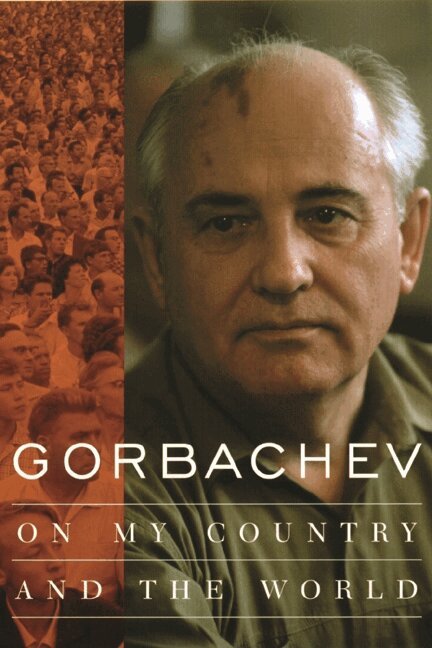
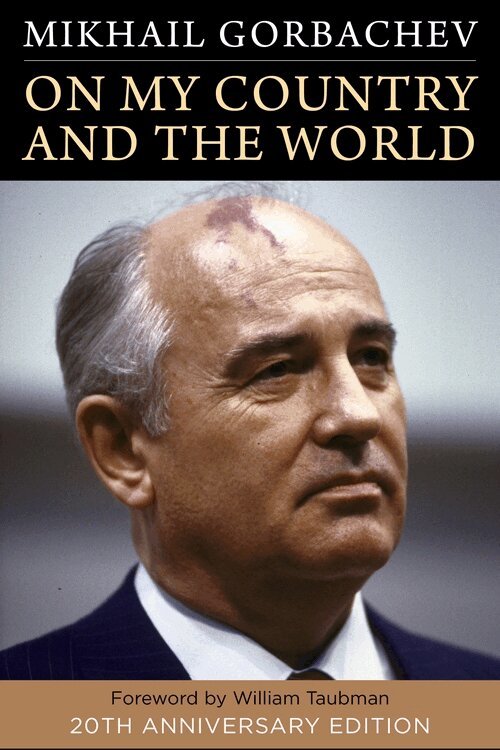
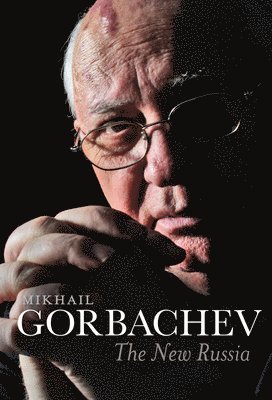
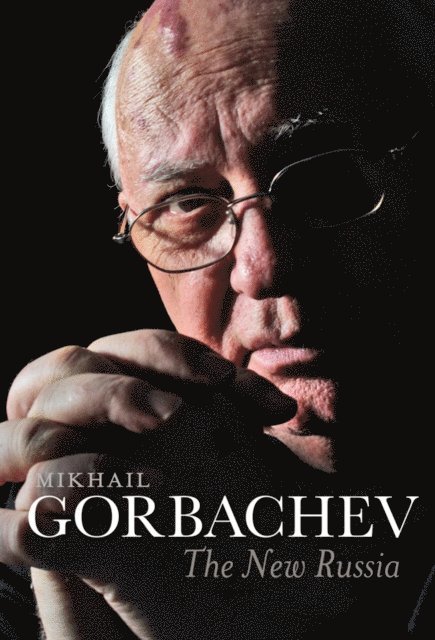
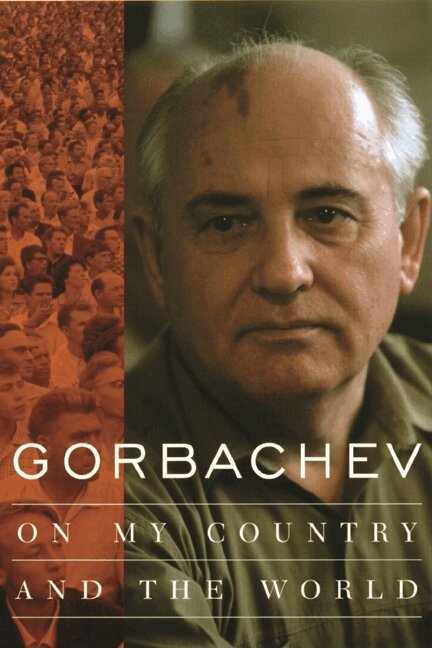
Here is the whole sweep of the Soviet experiment and experience as told by its last steward. Drawing on his own experience, rich archival material, and a keen sense of history and politics, Mikhail Gorbachev speaks his mind on a range of subjects concerning Russia's past, present, and future place in the world. Here is Gorbachev on the October Revolution, Gorbachev on the Cold War, and Gorbachev on key figures such as Lenin, Stalin, and Yeltsin. The book begins with a look back at 1917. While noting that tsarist Russia was not as backward as it is often portrayed, Gorbachev argues that the Bolshevik Revolution was inevitable and that it did much to modernize Russia. He strongly argues that the Soviet Union had a positive influence on social policy in the West, while maintaining that the development of socialism was cut short by Stalinist totalitarianism. In the next section, Gorbachev considers the fall of the USSR. What were the goals of perestroika? How did such a vast superpower disintegrate so quickly?From the awakening of ethnic tensions, to the inability of democrats to unite, to his own attempts to reform but preserve the union, Gorbachev retraces those fateful days and explains the origins of Russia's present crisis. But Gorbachev does not just train his critical eye on the past. He lays out a blueprint for where Russia needs to go in the next century, suggesting ways to strengthen the federation and achieve meaningful economic and political reforms. In the final section of the book, Gorbachev examines the "new thinking" in foreign policy that helped to end the Cold War and shows how such approaches could help resolve a range of current crises, including NATO expansion, the role of the UN, the fate of nuclear weapons, and environmental problems. Gorbachev: On My Country and the World reveals the unique vision of a man who was a powerful actor on the world stage and remains a keen observer of Russia's experience in the twentieth century.
234 kr
Skickas inom 7-10 vardagar
Here is the whole sweep of the Soviet experiment and experience as told by its last steward. Drawing on his own experience, rich archival material, and a keen sense of history and politics, Mikhail Gorbachev speaks his mind on a range of subjects concerning Russia's past, present, and future place in the world. Here is Gorbachev on the October Revolution, Gorbachev on the Cold War, and Gorbachev on key figures such as Lenin, Stalin, and Yeltsin. The book begins with a look back at 1917. While noting that tsarist Russia was not as backward as it is often portrayed, Gorbachev argues that the Bolshevik Revolution was inevitable and that it did much to modernize Russia. He strongly argues that the Soviet Union had a positive influence on social policy in the West, while maintaining that the development of socialism was cut short by Stalinist totalitarianism. In the next section, Gorbachev considers the fall of the USSR. What were the goals of perestroika? How did such a vast superpower disintegrate so quickly?From the awakening of ethnic tensions, to the inability of democrats to unite, to his own attempts to reform but preserve the union, Gorbachev retraces those fateful days and explains the origins of Russia's present crisis. But Gorbachev does not just train his critical eye on the past. He lays out a blueprint for where Russia needs to go in the next century, suggesting ways to strengthen the federation and achieve meaningful economic and political reforms. In the final section of the book, Gorbachev examines the "new thinking" in foreign policy that helped to end the Cold War and shows how such approaches could help resolve a range of current crises, including NATO expansion, the role of the UN, the fate of nuclear weapons, and environmental problems. Gorbachev: On My Country and the World reveals the unique vision of a man who was a powerful actor on the world stage and remains a keen observer of Russia's experience in the twentieth century.
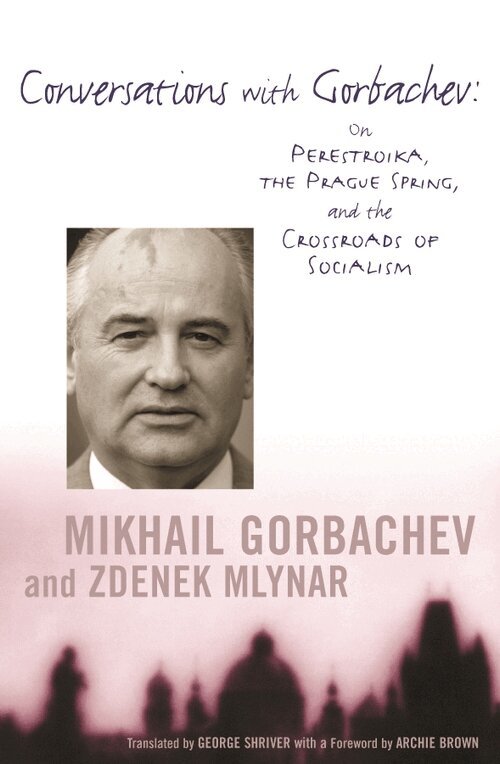
Conversations with Gorbachev
On Perestroika, the Prague Spring, and the Crossroads of Socialism
Häftad, Engelska, 2003
310 kr
Skickas inom 3-6 vardagar
Mikhail Gorbachev and Zdenek Mlynar were friends for half a century, since they first crossed paths as students in 1950. Although one was a Russian and the other a Czech, they were both ardent supporters of communism and socialism. One took part in laying the groundwork for and carrying out the Prague spring; the other opened a new political era in Soviet world politics. In 1993 they decided that their conversations might be of interest to others and so they began to tape-record them. This book is the product of that "thinking out loud" process. It is an absorbing record of two friends trying to explain to one another their views on the problems and events that determined their destinies. From reminiscences of their starry-eyed university days to reflections on the use of force to "save socialism" to contemplation of the end of the cold war, here is a far more candid picture of Gorbachev than we have ever seen before.
1 011 kr
Skickas inom 7-10 vardagar
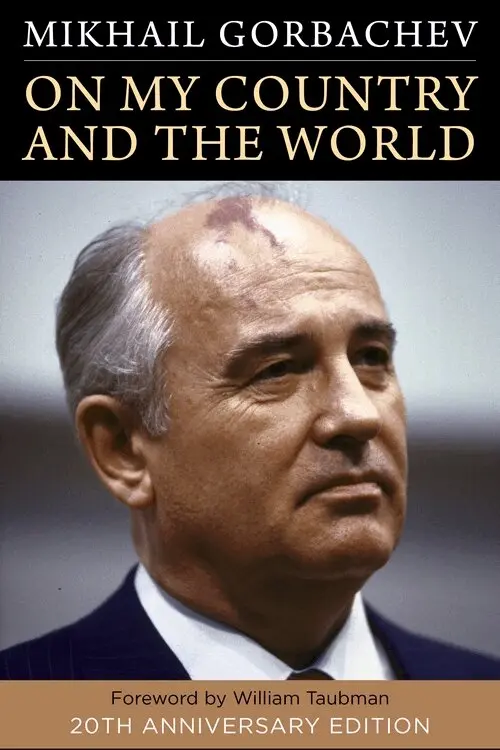
Here is the whole sweep of the Soviet experiment and experience as told by its last steward. Drawing on his own experience, rich archival material, and a keen sense of history and politics, Mikhail Gorbachev speaks his mind on a range of subjects concerning Russia's past, present, and future place in the world. Here is Gorbachev on the October Revolution, Gorbachev on the Cold War, and Gorbachev on key figures such as Lenin, Stalin, and Yeltsin. The book begins with a look back at 1917. While noting that tsarist Russia was not as backward as it is often portrayed, Gorbachev argues that the Bolshevik Revolution was inevitable and that it did much to modernize Russia. He strongly argues that the Soviet Union had a positive influence on social policy in the West, while maintaining that the development of socialism was cut short by Stalinist totalitarianism. In the next section, Gorbachev considers the fall of the USSR. What were the goals of perestroika? How did such a vast superpower disintegrate so quickly? From the awakening of ethnic tensions, to the inability of democrats to unite, to his own attempts to reform but preserve the union, Gorbachev retraces those fateful days and explains the origins of Russia's present crises. But Gorbachev does not just train his critical eye on the past. He lays out a blueprint for where Russia needs to go in the twenty-first century, suggesting ways to strengthen the federation and achieve meaningful economic and political reforms. In the final section of the book, Gorbachev examines the "new thinking" in foreign policy that helped to end the Cold War and shows how such approaches could help resolve a range of crises, including NATO expansion, the role of the UN, the fate of nuclear weapons, and environmental problems. On My Country and the World reveals the unique vision of a man who was a powerful actor on the world stage and remains a keen observer of Russia's experience in the twentieth century.This anniversary edition features a new foreword by William Taubman, award-winning biographer of Khrushchev and Gorbachev.
258 kr
Skickas inom 7-10 vardagar
Here is the whole sweep of the Soviet experiment and experience as told by its last steward. Drawing on his own experience, rich archival material, and a keen sense of history and politics, Mikhail Gorbachev speaks his mind on a range of subjects concerning Russia's past, present, and future place in the world. Here is Gorbachev on the October Revolution, Gorbachev on the Cold War, and Gorbachev on key figures such as Lenin, Stalin, and Yeltsin. The book begins with a look back at 1917. While noting that tsarist Russia was not as backward as it is often portrayed, Gorbachev argues that the Bolshevik Revolution was inevitable and that it did much to modernize Russia. He strongly argues that the Soviet Union had a positive influence on social policy in the West, while maintaining that the development of socialism was cut short by Stalinist totalitarianism. In the next section, Gorbachev considers the fall of the USSR. What were the goals of perestroika? How did such a vast superpower disintegrate so quickly? From the awakening of ethnic tensions, to the inability of democrats to unite, to his own attempts to reform but preserve the union, Gorbachev retraces those fateful days and explains the origins of Russia's present crises. But Gorbachev does not just train his critical eye on the past. He lays out a blueprint for where Russia needs to go in the twenty-first century, suggesting ways to strengthen the federation and achieve meaningful economic and political reforms. In the final section of the book, Gorbachev examines the "new thinking" in foreign policy that helped to end the Cold War and shows how such approaches could help resolve a range of crises, including NATO expansion, the role of the UN, the fate of nuclear weapons, and environmental problems. On My Country and the World reveals the unique vision of a man who was a powerful actor on the world stage and remains a keen observer of Russia's experience in the twentieth century.This anniversary edition features a new foreword by William Taubman, award-winning biographer of Khrushchev and Gorbachev.
241 kr
Skickas inom 7-10 vardagar
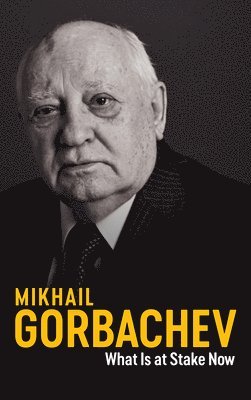
After years of rapprochement, the relationship between Russia and the West is more strained now than it has been in the past 25 years. Putin’s motives, his reasons for seeking confrontation with the West, remain for many a mystery. Not for Mikhail Gorbachev. In this new work, Russia’s elder statesman draws on his wealth of knowledge and experience to reveal the development of Putin’s regime and the intentions behind it. He argues that Putin has significantly diminished the achievements of perestroika and is part of an over-centralized system that presents a precarious future for Russia. Faced with this, Gorbachev advocates a radical reform of politics and a new fostering of pluralism and social democracy.Gorbachev’s insightful analysis moves beyond internal politics to address wider problems in the region, including the Ukraine conflict, as well as the global challenges of poverty and climate change. Above all else, he insists that solutions are to be found by returning to the atmosphere of dialogue and cooperation which was so instrumental in ending the Cold War. This book represents the summation of Gorbachev’s thinking on the course that Russia has taken since 1991 and stands as a testament to one of the greatest and most influential statesmen of the twentieth century.
132 kr
Skickas inom 7-10 vardagar
After years of rapprochement, the relationship between Russia and the West is more strained now than it has been in the past 25 years. Putin’s motives, his reasons for seeking confrontation with the West, remain for many a mystery. Not for Mikhail Gorbachev. In this new work, Russia’s elder statesman draws on his wealth of knowledge and experience to reveal the development of Putin’s regime and the intentions behind it. He argues that Putin has significantly diminished the achievements of perestroika and is part of an over-centralized system that presents a precarious future for Russia. Faced with this, Gorbachev advocates a radical reform of politics and a new fostering of pluralism and social democracy.Gorbachev’s insightful analysis moves beyond internal politics to address wider problems in the region, including the Ukraine conflict, as well as the global challenges of poverty and climate change. Above all else, he insists that solutions are to be found by returning to the atmosphere of dialogue and cooperation which was so instrumental in ending the Cold War. This book represents the summation of Gorbachev’s thinking on the course that Russia has taken since 1991 and stands as a testament to one of the greatest and most influential statesmen of the twentieth century.
125 kr
Skickas inom 7-10 vardagar
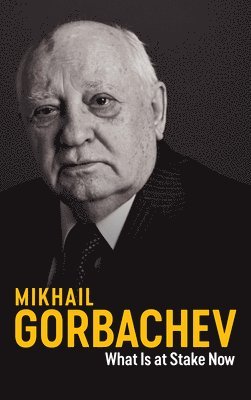
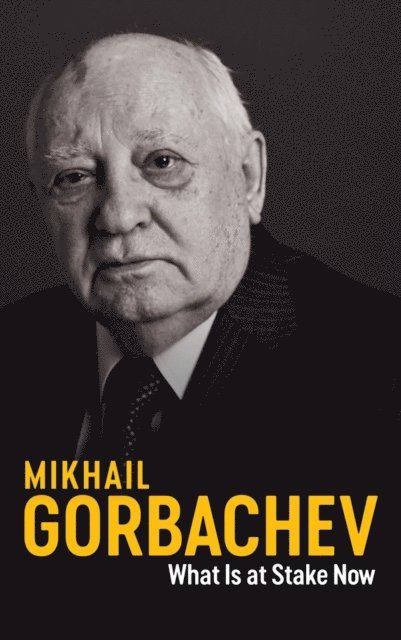
Thirty years after the end of the Cold War, world peace is at risk again. The United States has withdrawn from the disarmament treaty with Russia, Europe is disintegrating, China is surging forward and a wave of nationalism and populism is destabilizing established political institutions and endangering hard-won liberties. Moreover, the coronavirus pandemic has brought into sharp relief the fragility of the global order and the speed with which it can slide into chaos. In view of this dangerous and unpredictable state of affairs, Mikhail Gorbachev, the last great statesman of the 1989 revolution, has written this short book to warn us of the grave risks we now face and to urge us all, political leaders and citizens alike, to take action to address them. He focuses on the big challenges of our time, such as the renewal of the arms race and the growing risks of nuclear war, the new tension between Russia and the West, the global environmental crisis, the global threat of diseases and epidemics, the rise of populism and the decline of democracy. He argues that self-serving policies and narrow-minded politics aimed at the pursuit of national interests are taking the place of political principles and overshadowing the vision of a free and just world for all peoples. He offers his view of where Russia is heading and he urges political leaders in the West to recognize that re-establishing trust between Russia and the West requires the courage of true leadership and a commitment to genuine dialogue and understanding on both sides. Now more than ever, the responses to the great challenges we face cannot be purely national in character but must be based on a collaborative effort in which political leaders put aside their differences and work together to advance the human security of all.
80 kr
Skickas inom 7-10 vardagar
Thirty years after the end of the Cold War, world peace is at risk again. The United States has withdrawn from the disarmament treaty with Russia, Europe is disintegrating, China is surging forward and a wave of nationalism and populism is destabilizing established political institutions and endangering hard-won liberties. Moreover, the coronavirus pandemic has brought into sharp relief the fragility of the global order and the speed with which it can slide into chaos. In view of this dangerous and unpredictable state of affairs, Mikhail Gorbachev, the last great statesman of the 1989 revolution, has written this short book to warn us of the grave risks we now face and to urge us all, political leaders and citizens alike, to take action to address them. He focuses on the big challenges of our time, such as the renewal of the arms race and the growing risks of nuclear war, the new tension between Russia and the West, the global environmental crisis, the global threat of diseases and epidemics, the rise of populism and the decline of democracy. He argues that self-serving policies and narrow-minded politics aimed at the pursuit of national interests are taking the place of political principles and overshadowing the vision of a free and just world for all peoples. He offers his view of where Russia is heading and he urges political leaders in the West to recognize that re-establishing trust between Russia and the West requires the courage of true leadership and a commitment to genuine dialogue and understanding on both sides. Now more than ever, the responses to the great challenges we face cannot be purely national in character but must be based on a collaborative effort in which political leaders put aside their differences and work together to advance the human security of all.
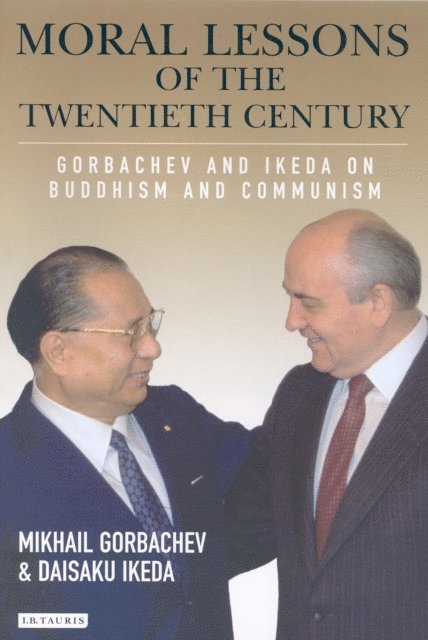
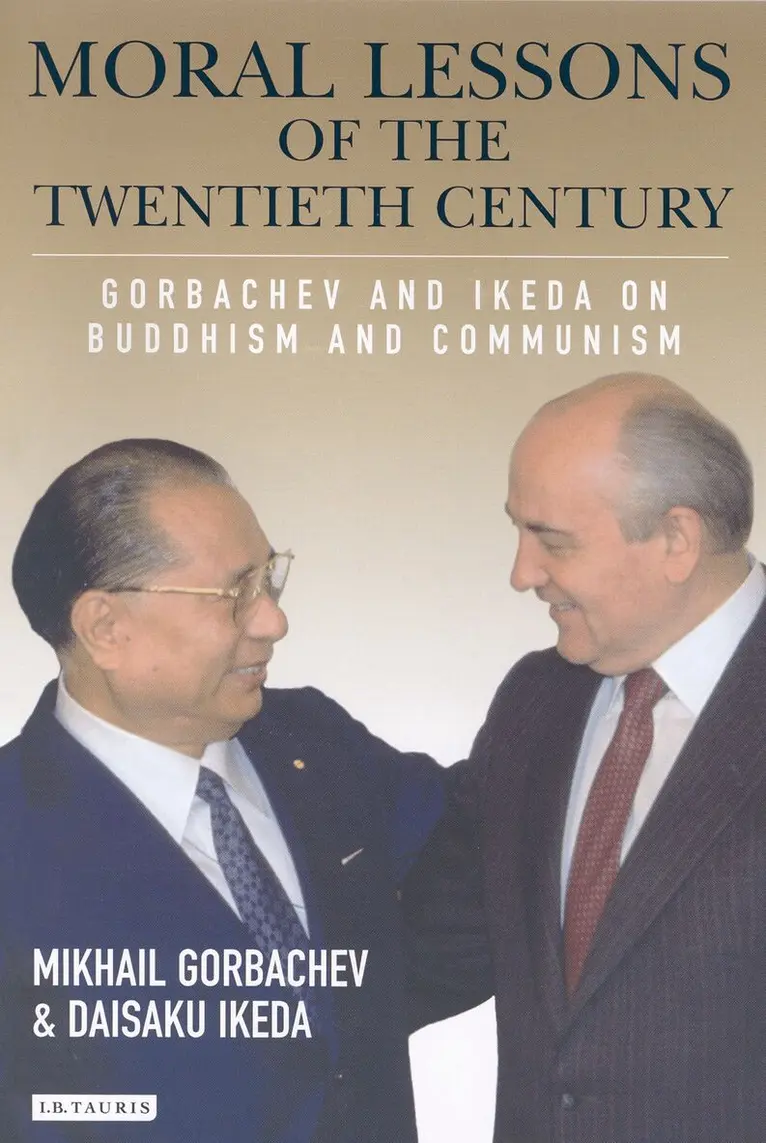
Moral Lessons of the Twentieth Century
Gorbachev and Ikeda on Buddhism and Communism
Häftad, Engelska, 2005
328 kr
Skickas inom 10-15 vardagar
Mikhail Gorbachev and Daisaku Ikeda are contemporaries raised in different cultures: Gorbachev is a statesman whose origins are the Marx-inspired world of communism while Ikeda is Buddhist inspired by the thirteenth century Japanese sage, Nichiren. Moral Lessons of the Twentieth Century emerged from a series of conversations between these two men. Together they explore their experiences of life amidst the turmoil of the twentieth century and together they search for a common ethical basis for future development. They conclude that values are born of culture and that peace, progress and social justice can only be achieved through sincere communication and cultural exchange. As the new century begins, they have sought to turn the spotlight on the challenges which face humanity. The book is a call for dialogue in pursuit of values that bridge culture and time.
536 kr
Tillfälligt slut
285 kr
Slutsåld