Mikio Oishi – författare
Visar alla böcker från författaren Mikio Oishi. Handla med fri frakt och snabb leverans.
10 produkter
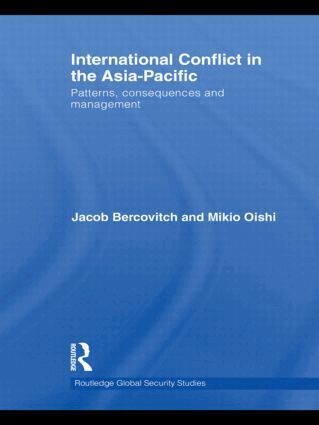
International Conflict in the Asia-Pacific
Patterns, Consequences and Management
Av Jacob Bercovitch, Mikio Oishi
Häftad, 2012
909 kr
Lägg i varukorg
This book analyses four major long-standing and intractable conflicts in the Asia-Pacific region (the Korean Peninsula; the Taiwan Strait; the South China Sea (Spratly Islands); and India-Pakistan), and aims to identify the mechanisms used to manage these conflicts.International Conflict in the …
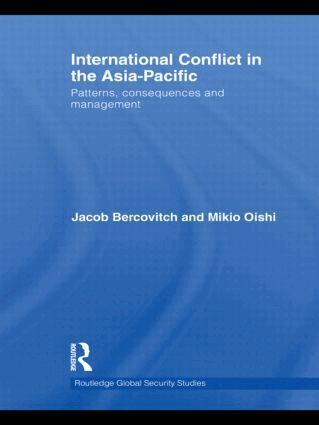
International Conflict in the Asia-Pacific
Patterns, Consequences and Management
Av Jacob Bercovitch, Mikio Oishi
Inbunden, 2010
2510 kr
Lägg i varukorg
This book analyses four major long-standing and intractable conflicts in the Asia-Pacific region (the Korean Peninsula; the Taiwan Strait; the South China Sea (Spratly Islands); and India-Pakistan), and aims to identify the mechanisms used to manage these conflicts.International Conflict in the …
International Conflict in the Asia-Pacific
Patterns, Consequences and Management
Av Mikio Oishi, Jacob Bercovitch
E-bok, 2010
1074 kr
Lägg i varukorg
This book analyses four major long-standing and intractable conflicts in the Asia-Pacific region (the Korean Peninsula; the Taiwan Strait; the South China Sea (Spratly Islands); and India-Pakistan), and aims to identify the mechanisms used to manage these conflicts. International Conflict in the …
International Conflict in the Asia-Pacific
Patterns, Consequences and Management
Av Mikio Oishi, Jacob Bercovitch
E-bok, 2010
1074 kr
Lägg i varukorg
This book analyses four major long-standing and intractable conflicts in the Asia-Pacific region (the Korean Peninsula; the Taiwan Strait; the South China Sea (Spratly Islands); and India-Pakistan), and aims to identify the mechanisms used to manage these conflicts. International Conflict in the …
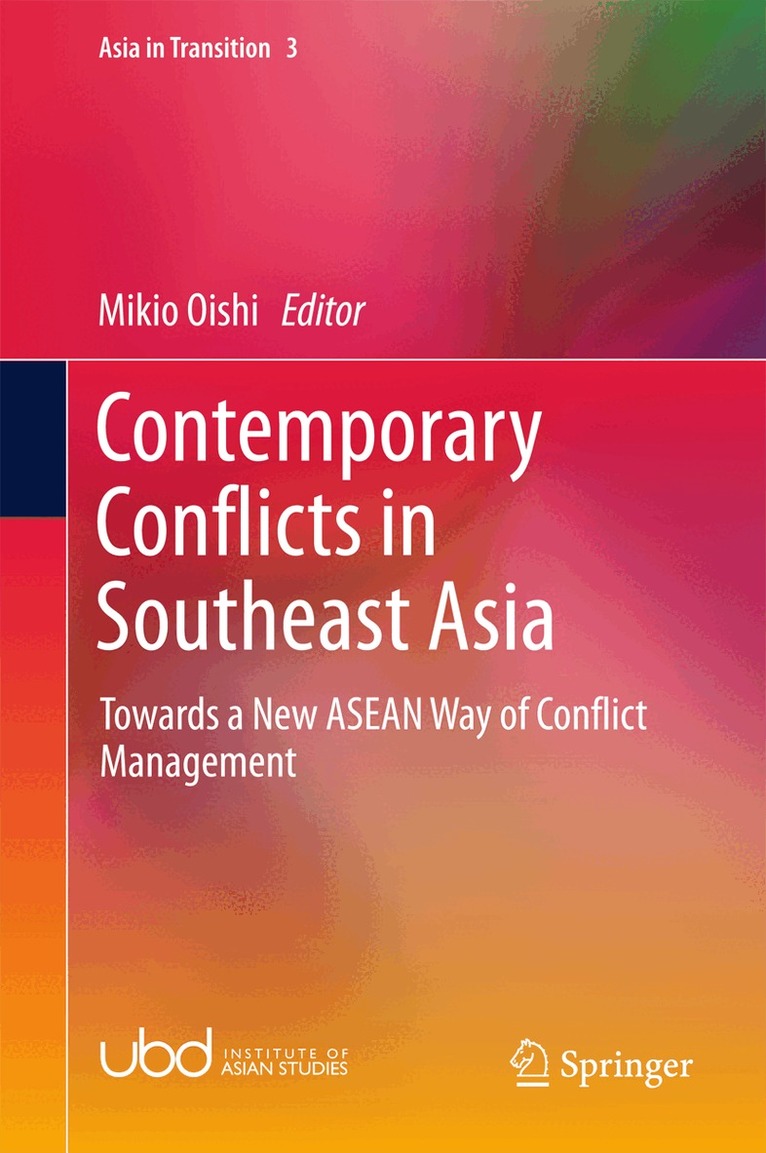
Contemporary Conflicts in Southeast Asia
Towards a New ASEAN Way of Conflict Management
Av Mikio Oishi
Inbunden, 2015
1096 kr
Lägg i varukorg
This book looks at major contemporary conflicts —intra and interstate— in Southeast Asia from a conflict management perspective. Starting with the view that the conventional ASEAN conflict-management methods have ceased to be effective, it looks for new conflict-management patterns and trends by …
Contemporary Conflicts in Southeast Asia
Towards a New ASEAN Way of Conflict Management
Av Mikio Oishi
E-bok, 2015
1459 kr
Lägg i varukorg
This book looks at major contemporary conflicts —intra and interstate— in Southeast Asia from a conflict management perspective. Starting with the view that the conventional ASEAN conflict-management methods have ceased to be effective, it looks for new conflict-management patterns and trends by …
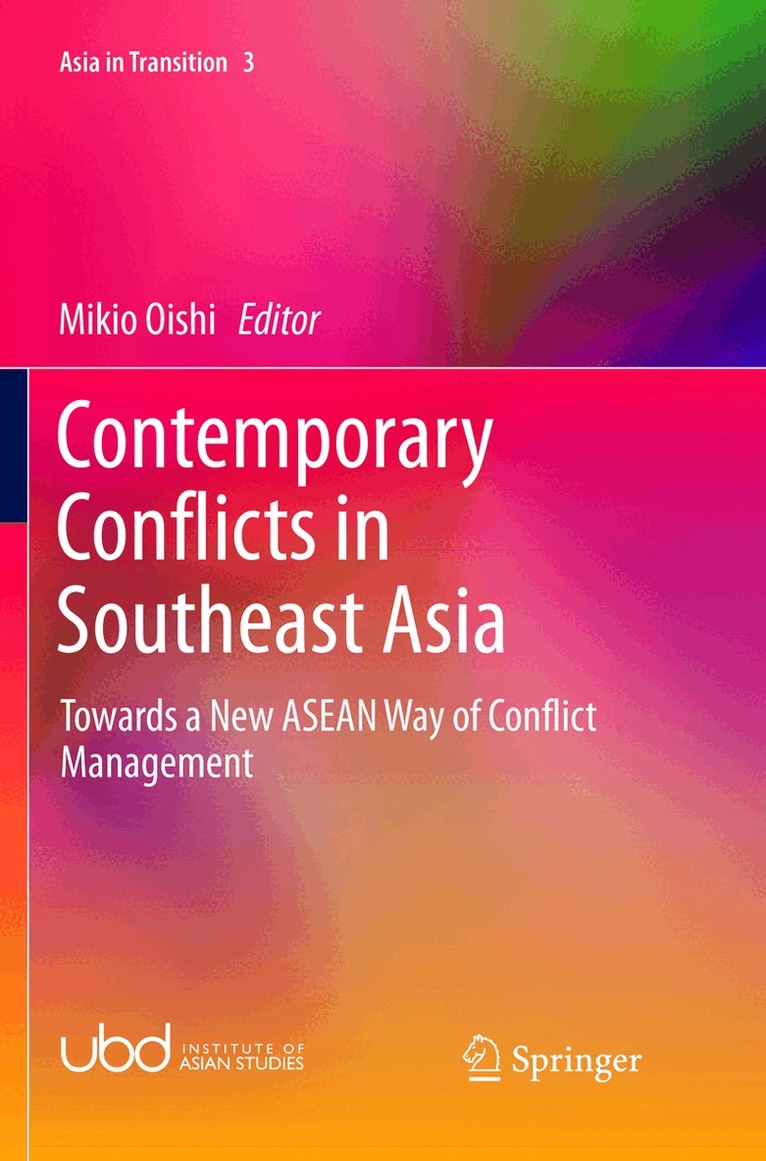
Contemporary Conflicts in Southeast Asia
Towards a New ASEAN Way of Conflict Management
Av Mikio Oishi
Häftad, 2019
1096 kr
Lägg i varukorg
This book looks at major contemporary conflicts —intra and interstate— in Southeast Asia from a conflict management perspective. Starting with the view that the conventional ASEAN conflict-management methods have ceased to be effective, it looks for new conflict-management patterns and trends by …
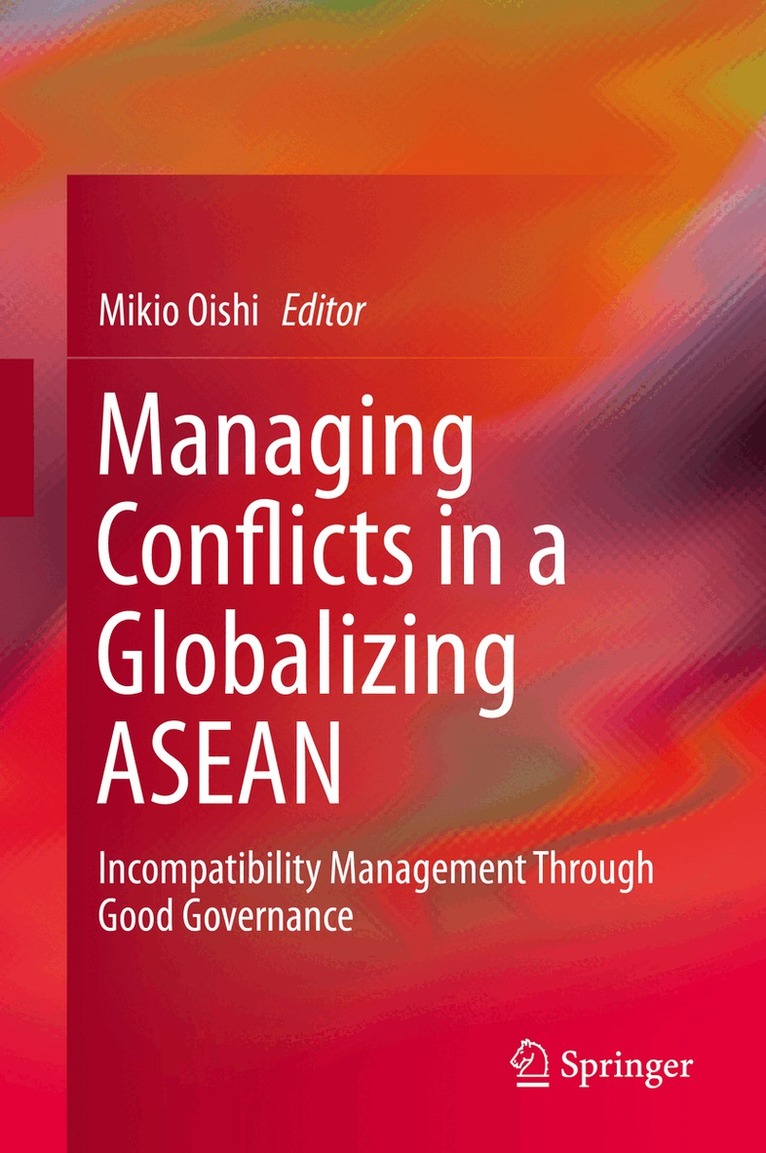
Managing Conflicts in a Globalizing ASEAN
Incompatibility Management through Good Governance
Av Mikio Oishi
Inbunden, 2019
1532 kr
Lägg i varukorg
This book investigates the patterns of conflict management in contemporary Southeast Asia. The region has long been characterized by the twin process of state-formation and nation-building, which has been responsible for most of the region’s intrastate and interstate conflicts. While this process …
Managing Conflicts in a Globalizing ASEAN
Incompatibility Management through Good Governance
Av Mikio Oishi
E-bok, 2019
1948 kr
Lägg i varukorg
This book investigates the patterns of conflict management in contemporary Southeast Asia. The region has long been characterized by the twin process of state-formation and nation-building, which has been responsible for most of the region’s intrastate and interstate conflicts. While this process …
Managing Conflicts in a Globalizing ASEAN
Incompatibility Management through Good Governance
Av Mikio Oishi
Häftad, 2020
1532 kr
Lägg i varukorg
This book investigates the patterns of conflict management in contemporary Southeast Asia. The region has long been characterized by the twin process of state-formation and nation-building, which has been responsible for most of the region’s intrastate and interstate conflicts. While this process …