Mikis D. Stasinopoulos – författare
Visar alla böcker från författaren Mikis D. Stasinopoulos. Handla med fri frakt och snabb leverans.
10 produkter
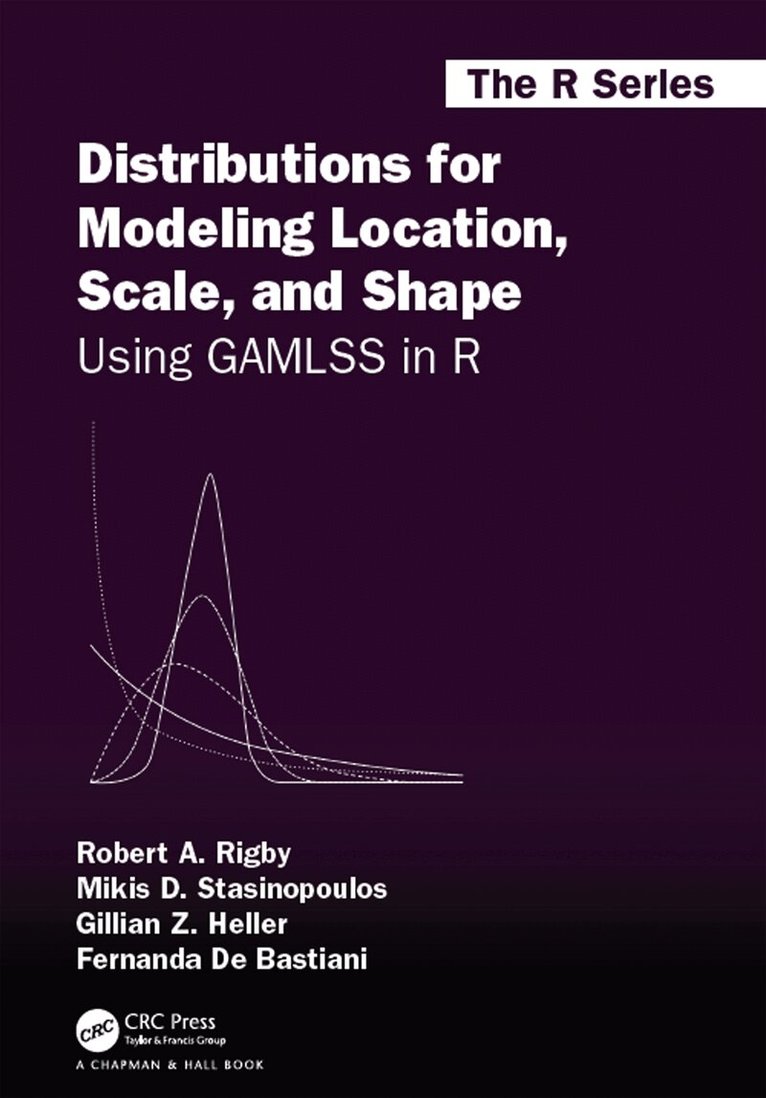
Distributions for Modeling Location, Scale, and Shape
Using GAMLSS in R
Av Robert A. Rigby, Mikis D. Stasinopoulos m. fl.
Inbunden, 2019
2513 kr
Lägg i varukorg
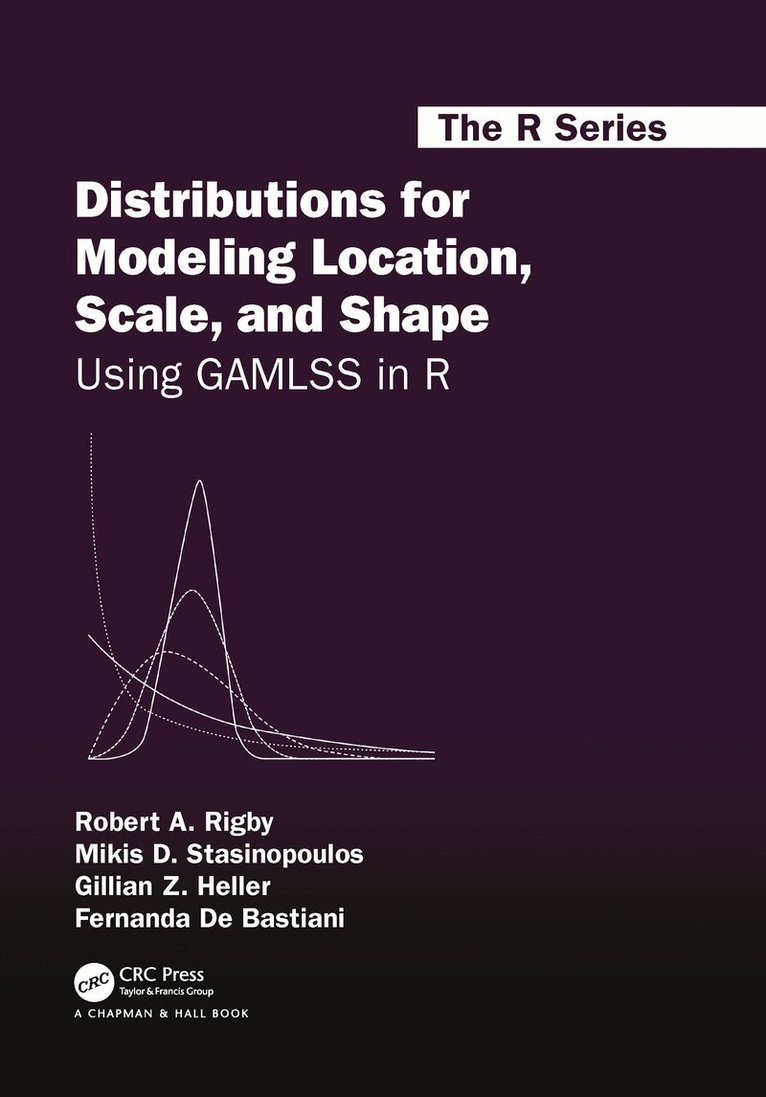
This is a book about statistical distributions, their properties, and their application to modelling the dependence of the location, scale, and shape of the distribution of a response variable on explanatory variables. It will be especially useful to applied statisticians and data scientists in a …
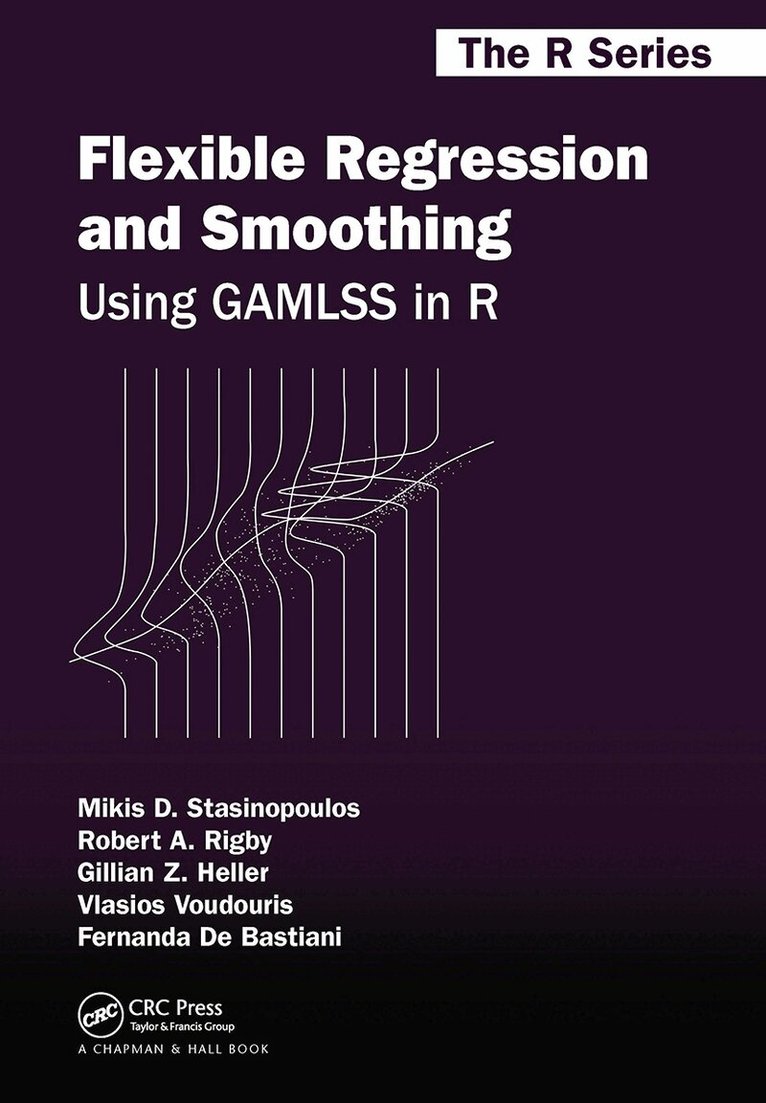
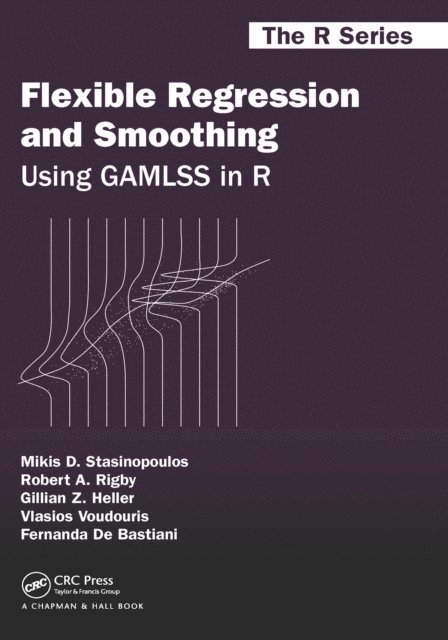
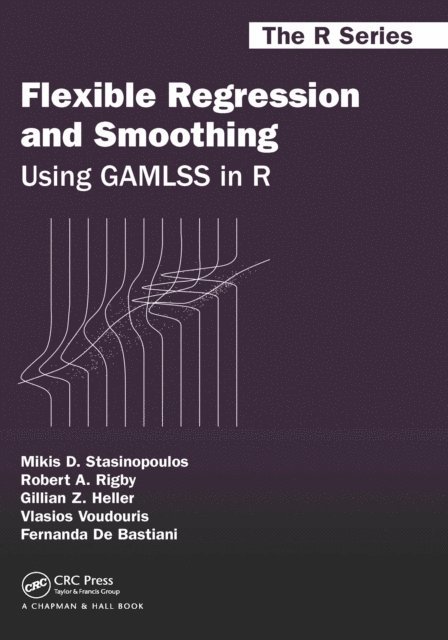
Flexible Regression and Smoothing
Using GAMLSS in R
Av Mikis D. Stasinopoulos, Robert A. Rigby m. fl.
Häftad, 2020
823 kr
Lägg i varukorg
This book is about learning from data using the Generalized Additive Models for Location, Scale and Shape (GAMLSS). GAMLSS extends the Generalized Linear Models (GLMs) and Generalized Additive Models (GAMs) to accommodate large complex datasets, which are increasingly prevalent.In particular, the …
Distributions for Modeling Location, Scale, and Shape
Using GAMLSS in R
Av Fernanda De Bastiani, Gillian Z. Heller m. fl.
E-bok, 2019
1195 kr
Lägg i varukorg
This is a book about statistical distributions, their properties, and their application to modelling the dependence of the location, scale, and shape of the distribution of a response variable on explanatory variables. It will be especially useful to applied statisticians and data scientists in a …
Distributions for Modeling Location, Scale, and Shape
Using GAMLSS in R
Av Fernanda De Bastiani, Gillian Z. Heller m. fl.
E-bok, 2019
1169 kr
Lägg i varukorg
This is a book about statistical distributions, their properties, and their application to modelling the dependence of the location, scale, and shape of the distribution of a response variable on explanatory variables. It will be especially useful to applied statisticians and data scientists in a …
Generalized Additive Models for Location, Scale and Shape
A Distributional Regression Approach, with Applications
Av Gillian Z. Heller, Andreas Mayr m. fl.
E-bok, 2024
946 kr
Lägg i varukorg
Generalized Additive Models for Location, Scale and Shape
A Distributional Regression Approach, with Applications
Av Mikis D. Stasinopoulos, Thomas Kneib m. fl.
Inbunden, 2024
960 kr
Lägg i varukorg
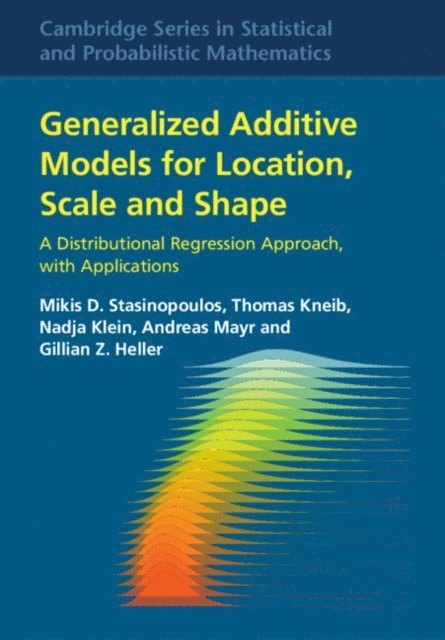
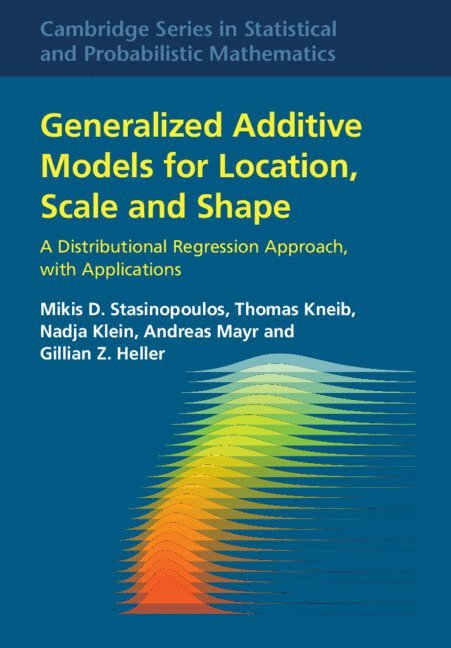
An emerging field in statistics, distributional regression facilitates the modelling of the complete conditional distribution, rather than just the mean. This book introduces generalized additive models for location, scale and shape (GAMLSS) - one of the most important classes of distributional …
Distributions for Modeling Location, Scale, and Shape
Using GAMLSS in R
Av Robert A. Rigby, Mikis D. Stasinopoulos m. fl.
Häftad, 2021
1011 kr
Lägg i varukorg
This is a book about statistical distributions, their properties, and their application to modelling the dependence of the location, scale, and shape of the distribution of a response variable on explanatory variables. It will be especially useful to applied statisticians and data scientists in a …
Flexible Regression and Smoothing
Using GAMLSS in R
Av Mikis D. Stasinopoulos, Robert A. Rigby m. fl.
Inbunden, 2017
1826 kr
Lägg i varukorg
This book is about learning from data using the Generalized Additive Models for Location, Scale and Shape (GAMLSS). GAMLSS extends the Generalized Linear Models (GLMs) and Generalized Additive Models (GAMs) to accommodate large complex datasets, which are increasingly prevalent.In particular, the …
Flexible Regression and Smoothing
Using GAMLSS in R
Av Fernanda De Bastiani, Vlasios Voudouris m. fl.
E-bok, 2017
970 kr
Lägg i varukorg
This book is about learning from data using the Generalized Additive Models for Location, Scale and Shape (GAMLSS). GAMLSS extends the Generalized Linear Models (GLMs) and Generalized Additive Models (GAMs) to accommodate large complex datasets, which are increasingly prevalent. In particular, the …
Flexible Regression and Smoothing
Using GAMLSS in R
Av Fernanda De Bastiani, Vlasios Voudouris m. fl.
E-bok, 2017
970 kr
Lägg i varukorg
This book is about learning from data using the Generalized Additive Models for Location, Scale and Shape (GAMLSS). GAMLSS extends the Generalized Linear Models (GLMs) and Generalized Additive Models (GAMs) to accommodate large complex datasets, which are increasingly prevalent. In particular, the …