Milica Antić Gaber – författare
Visar alla böcker från författaren . Handla med fri frakt och snabb leverans.
2 produkter
2 produkter
Inbunden, Engelska, 2026
2 015 kr
Skickas inom 5-8 vardagar
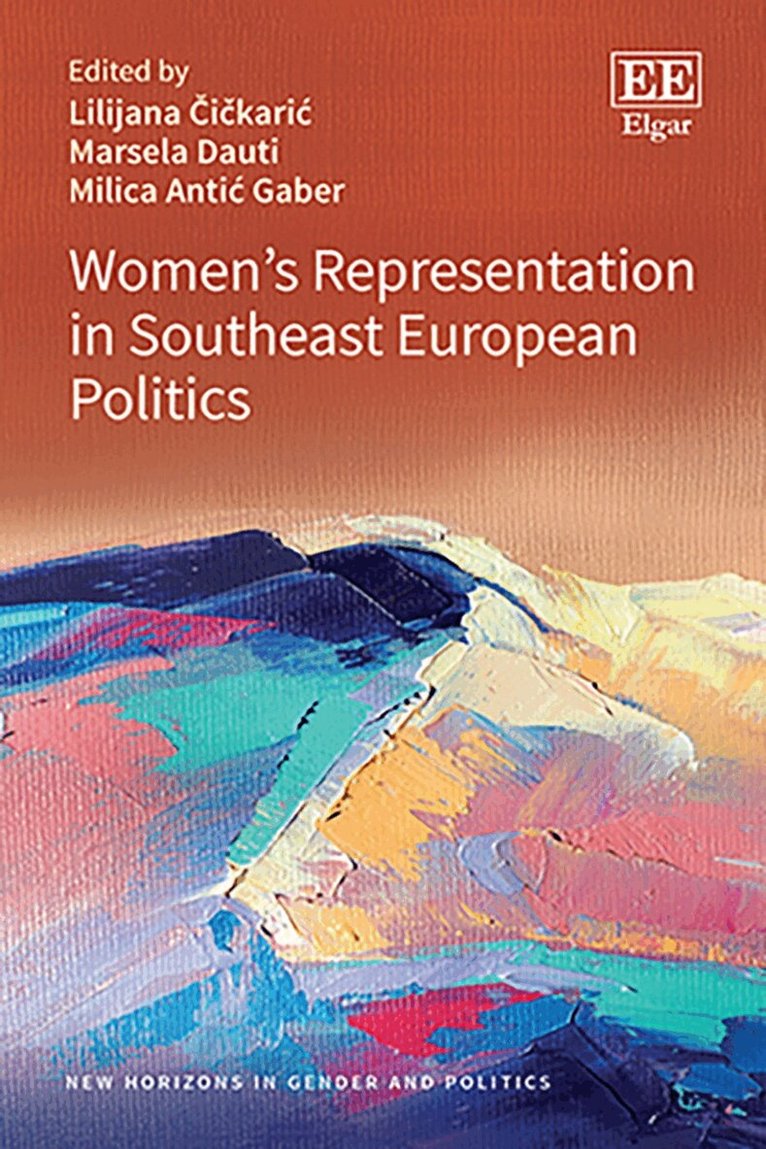
This incisive book explores the experiences of women in Southeast Europe as they navigate the political landscape within parliaments, local councils, cantonal assemblies and political parties. Expert authors adopt an intersectional and human rights based analytical framework to examine why the presence of women in political institutions does not always translate into substantive representation. Chapters investigate deep-rooted patriarchal norms, power relations, party control, social media dynamics and intersectional inequalities across local, national, party and online spaces. Country-specific case studies reflect how historical legacies, post-socialist transformations and gender quotas have shaped women's political participation. Overall, the book demonstrates that true equality requires profound cultural change, stronger democratic institutions and a long-term commitment to gender-sensitive politics. Women’s Representation in Southeast European Politics is a crucial resource for scholars and students of gender studies, feminist political theory, political science, European studies, and sociology. It will also benefit policymakers, international organizations and NGOs interested in deepening their understanding of gender equality, due to its insights into designing gender-sensitive reforms, developing advocacy strategies and improving institutional frameworks.
Del 9 - Eastern European Culture, Politics and Societies
Gender Structuring of Contemporary Slovenia
Inbunden, Engelska, 2015
657 kr
Skickas inom 5-8 vardagar
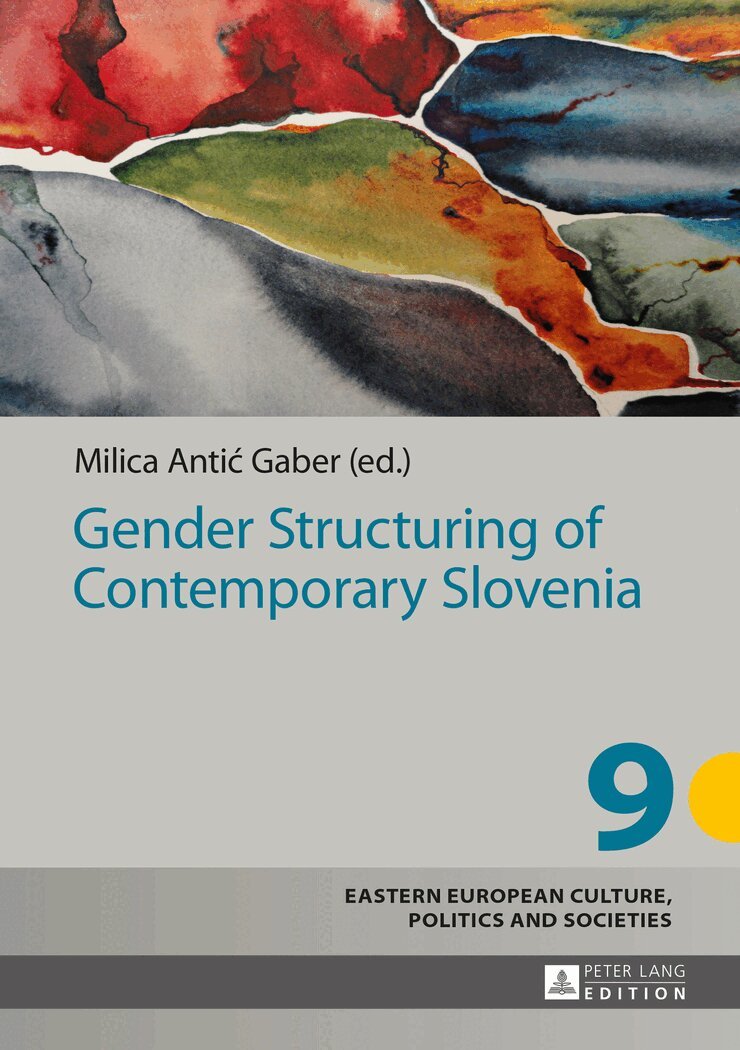
This volume offers a new view on gender structuring in contemporary Slovenia and the persistence of the gender order – produced and reproduced through gender regimes in education, work, family life and politics. With a focus on the low presence of women in politics, the study analyses empirical data, mapping structural changes, delays of changes and the persistence of existing social structures over several decades. It appears that the choices individuals make in their lives are made in a specific social context of structural opportunities and obstacles. As such, gender difference is first socially produced and later universally used for justification of that stratification.