Mills Soko – författare
Visar alla böcker från författaren Mills Soko. Handla med fri frakt och snabb leverans.
5 produkter
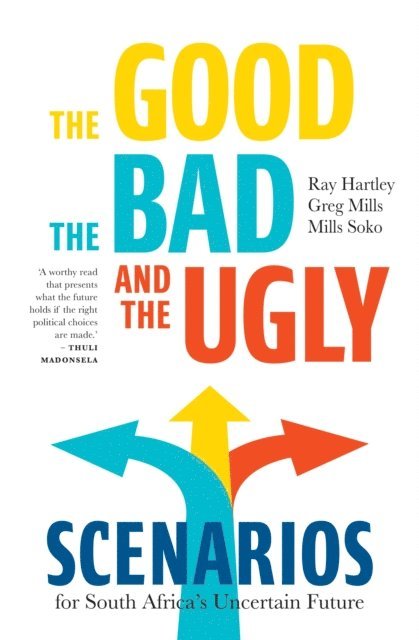
Good, the Bad, and the Ugly
Scenarios for South Africa''s Uncertain Future
Av Mills Soko, Greg Mills m. fl.
E-bok, 2023
100 kr
Lägg i varukorg
South Africa is facing an extraordinary ‘polycrisis’. The dimensions of this crisis include an energy collapse; a failing rail network; weak education outcomes; an interrupted water supply; and the effects of decades of endemic corruption that have brought much of government to a halt. But the …
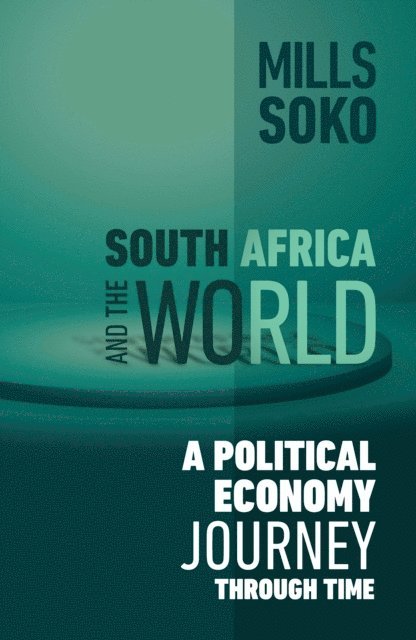
South Africa and the World
A political economy journey through time
Av Mills Soko
E-bok, 2021
185 kr
Lägg i varukorg
Over the past 20 years the global political economy has experienced its most profound shifts since the onset of the industrial revolution. In South Africa and the World, Mills Soko reflects on some of the salient issues that have pervaded public discourse during this time, analysing them within the …
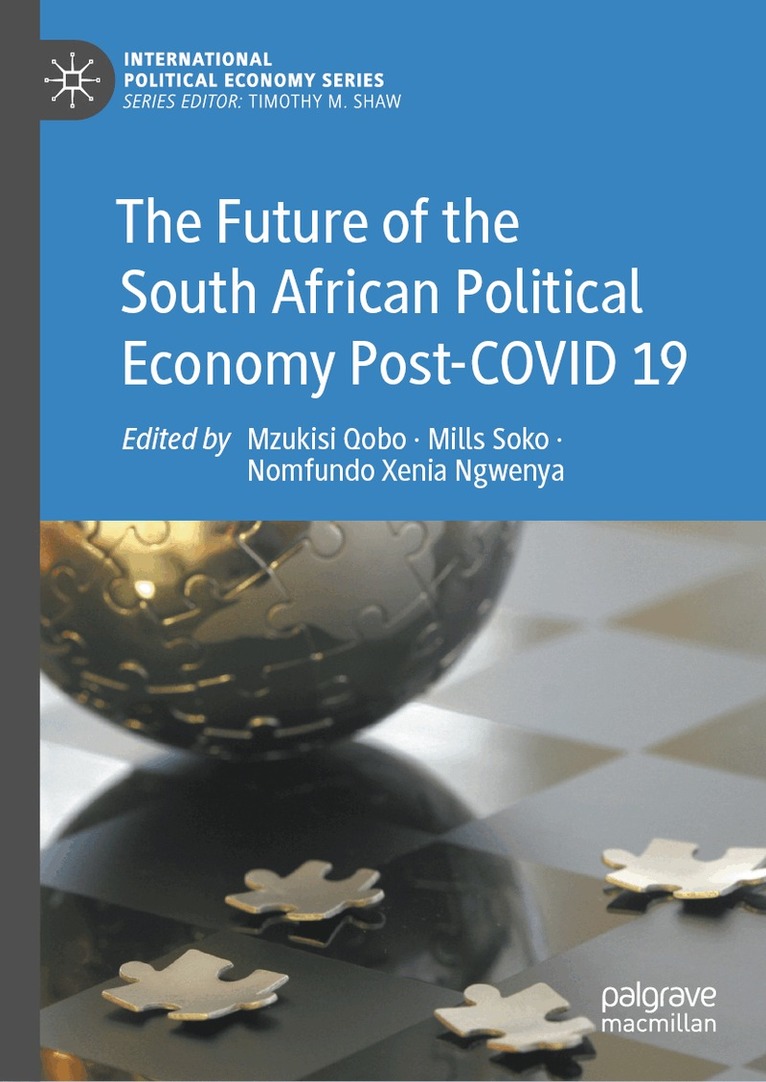
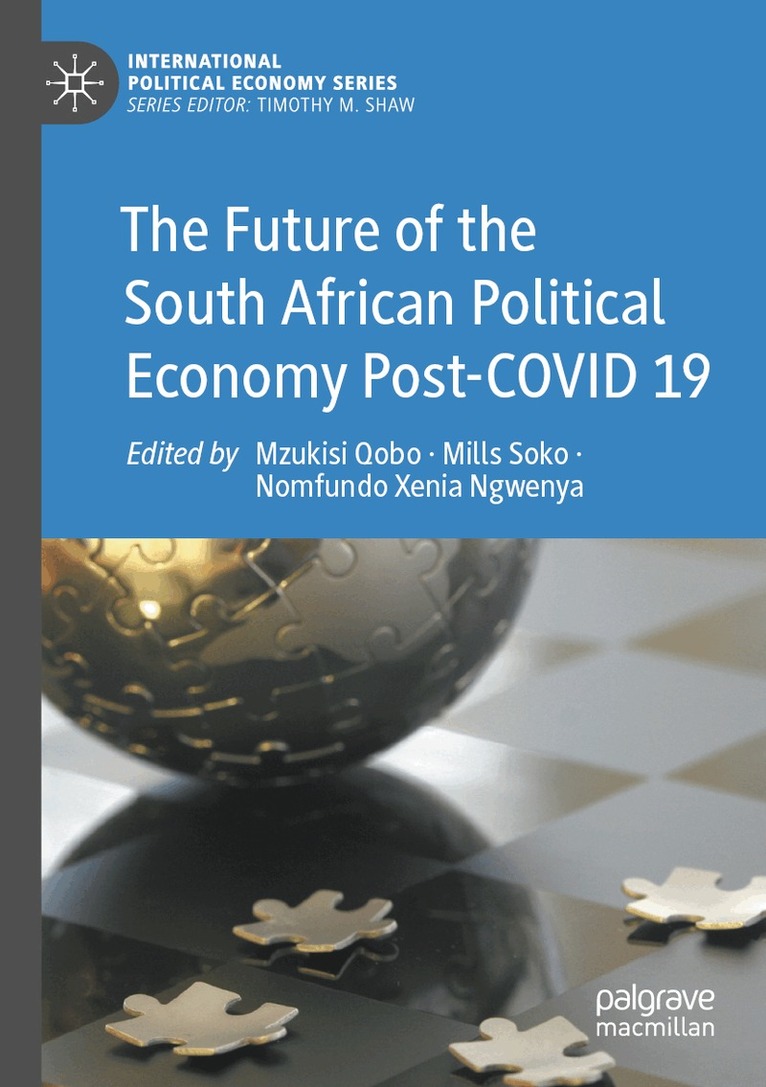
Future of the South African Political Economy Post-COVID 19
Av Mzukisi Qobo, Mills Soko m. fl.
Inbunden, 2022
1422 kr
Lägg i varukorg
This book examines the COVID-19 pandemic through socioeconomic lens that draw on history, approaches to state-market relations, and public policy perspectives In 2020, the world experienced the worst pandemic since the outbreak of the Spanish Flu of 1918, which continues to have far[1]reaching …
Future of the South African Political Economy Post-COVID 19
Av Nomfundo Xenia Ngwenya, Mills Soko m. fl.
E-bok, 2022
1785 kr
Lägg i varukorg
This book examines the COVID-19 pandemic through socioeconomic lens that draw on history, approaches to state-market relations, and public policy perspectives In 2020, the world experienced the worst pandemic since the outbreak of the Spanish Flu of 1918, which continues to have far[1]reaching …
Future of the South African Political Economy Post-COVID 19
Av Mzukisi Qobo, Mills Soko m. fl.
Häftad, 2023
1422 kr
Lägg i varukorg
This book examines the COVID-19 pandemic through socioeconomic lens that draw on history, approaches to state-market relations, and public policy perspectives In 2020, the world experienced the worst pandemic since the outbreak of the Spanish Flu of 1918, which continues to have far[1]reaching …