Miloš Brunclík – författare
Visar alla böcker från författaren Miloš Brunclík. Handla med fri frakt och snabb leverans.
7 produkter
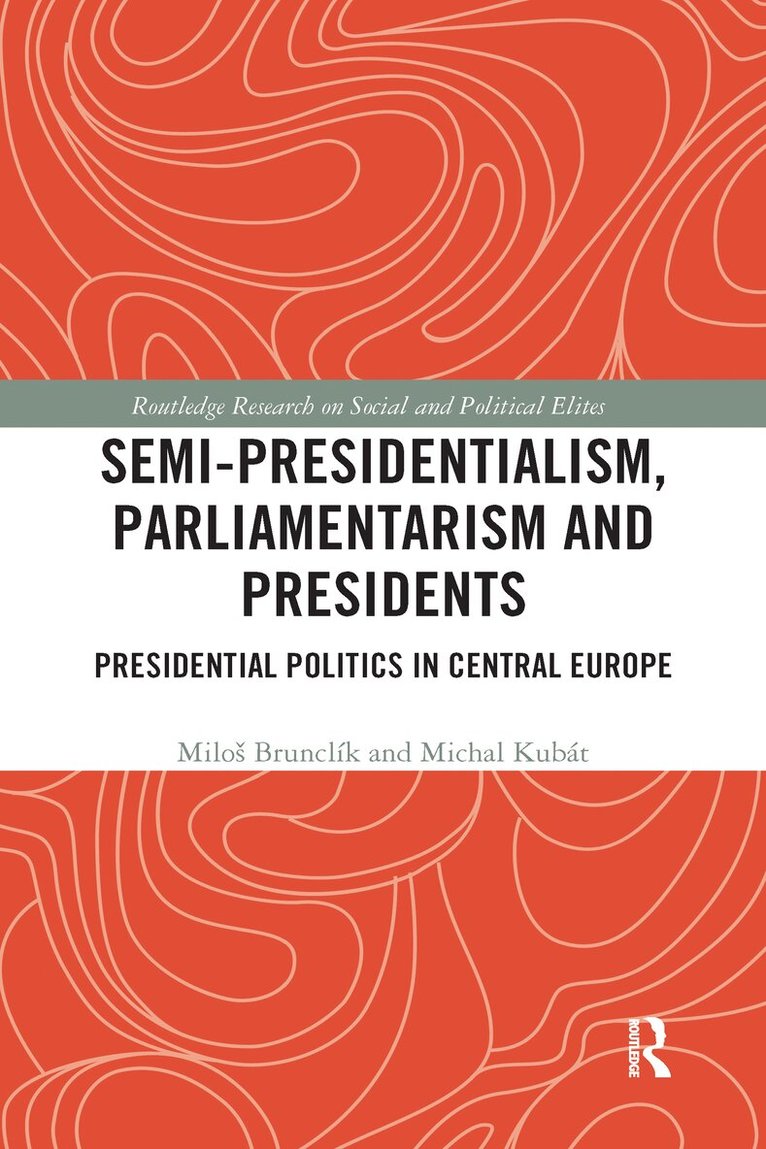
Semi-presidentialism, Parliamentarism and Presidents
Presidential Politics in Central Europe
Av Miloš Brunclík, Michal Kubát
Häftad, 2020
689 kr
Lägg i varukorg
The book analyzes the presidencies of three neighboring Central European countries – Poland, the Czech Republic and Slovakia – in the context of their interactions with cabinets (and prime ministers), parliaments and the constitutional courts, all which have proved crucial actors in the region’s …
Semi-presidentialism, Parliamentarism and Presidents
Presidential Politics in Central Europe
Av Miloš Brunclík, Michal Kubát
Inbunden, 2018
2504 kr
Lägg i varukorg
The book analyzes the presidencies of three neighboring Central European countries – Poland, the Czech Republic and Slovakia – in the context of their interactions with cabinets (and prime ministers), parliaments and the constitutional courts, all which have proved crucial actors in the region’s …
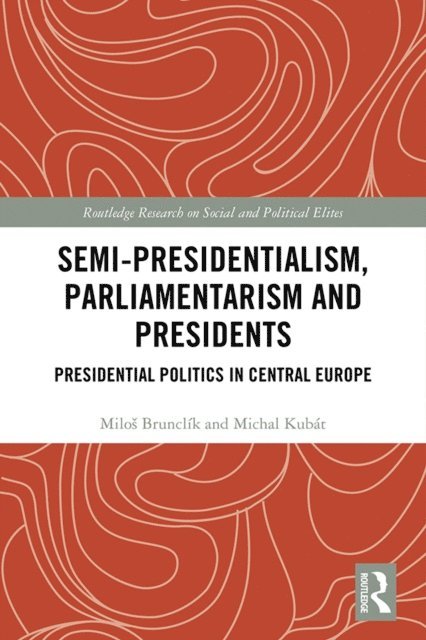
Semi-presidentialism, Parliamentarism and Presidents
Presidential Politics in Central Europe
Av Michal Kubat, Milos Brunclik
E-bok, 2018
814 kr
Lägg i varukorg
The book analyzes the presidencies of three neighboring Central European countries – Poland, the Czech Republic and Slovakia – in the context of their interactions with cabinets (and prime ministers), parliaments and the constitutional courts, all which have proved crucial actors in the …
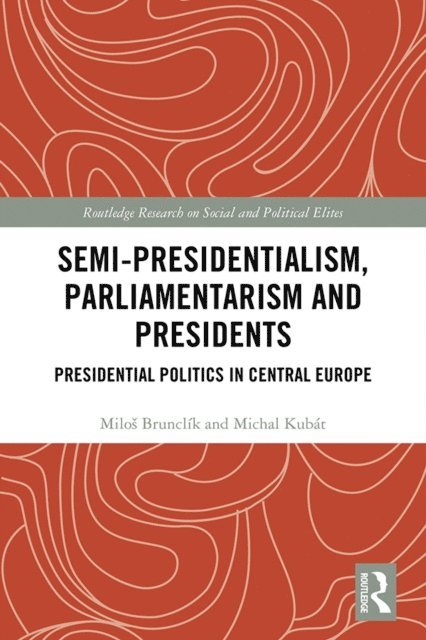
Semi-presidentialism, Parliamentarism and Presidents
Presidential Politics in Central Europe
Av Michal Kubat, Milos Brunclik
E-bok, 2018
814 kr
Lägg i varukorg
The book analyzes the presidencies of three neighboring Central European countries – Poland, the Czech Republic and Slovakia – in the context of their interactions with cabinets (and prime ministers), parliaments and the constitutional courts, all which have proved crucial actors in the …
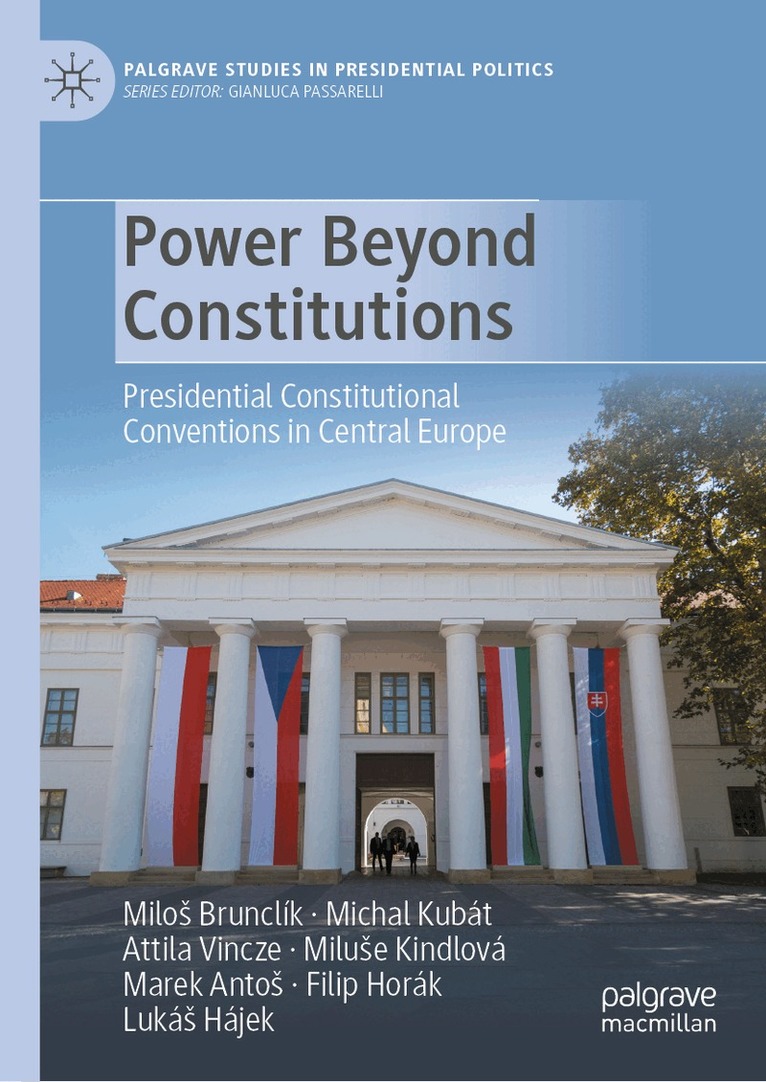
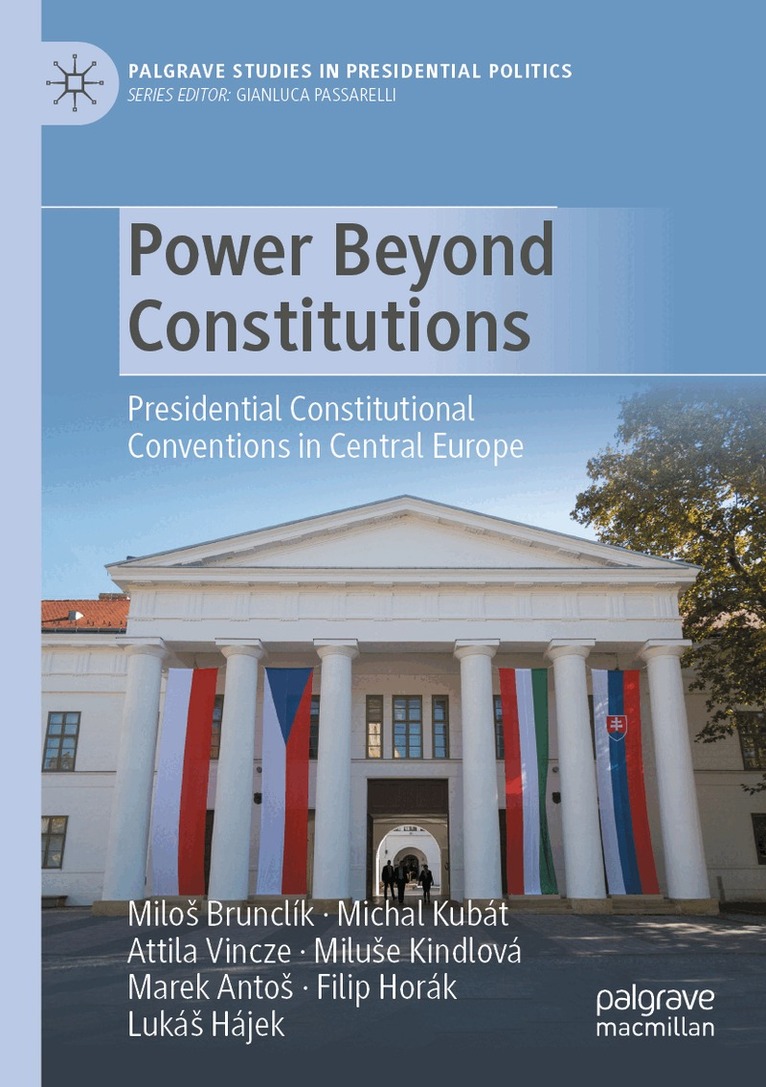
Power Beyond Constitutions
Presidential Constitutional Conventions in Central Europe
Av Miloš Brunclík, Michal Kubát m. fl.
Inbunden, 2023
1408 kr
Lägg i varukorg
This research monograph examines presidential constitutional conventions and the role they play in the political systems of four Central European countries – the Czech Republic, Slovakia, Hungary, and Poland. As primarily unwritten rules of constitutional practice, constitutional conventions …
Power Beyond Constitutions
Presidential Constitutional Conventions in Central Europe
Av Lukas Hajek, Filip Horak m. fl.
E-bok, 2023
1886 kr
Lägg i varukorg
This research monograph examines presidential constitutional conventions and the role they play in the political systems of four Central European countries – the Czech Republic, Slovakia, Hungary, and Poland. As primarily unwritten rules of constitutional practice, constitutional conventions …
Power Beyond Constitutions
Presidential Constitutional Conventions in Central Europe
Av Miloš Brunclík, Michal Kubát m. fl.
Häftad, 2024
1408 kr
Lägg i varukorg
This research monograph examines presidential constitutional conventions and the role they play in the political systems of four Central European countries – the Czech Republic, Slovakia, Hungary, and Poland. As primarily unwritten rules of constitutional practice, constitutional conventions …