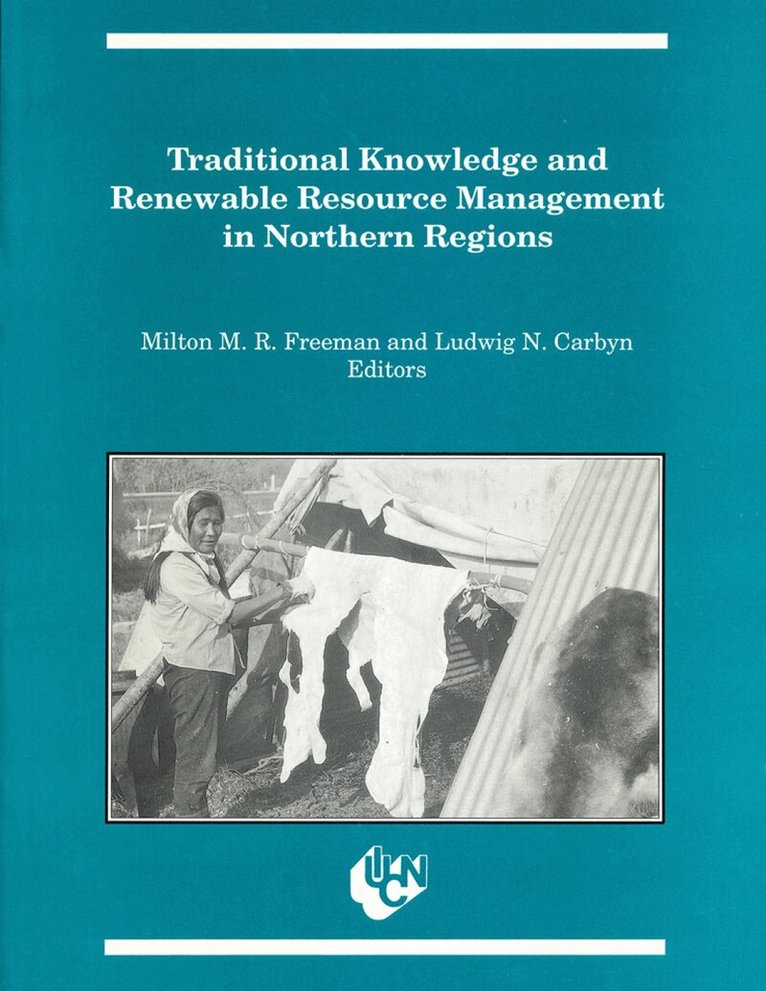
Considers the sometimes problematic relationship between traditional and scientific wildlife management knowledge and practices: environmental ethics, resource management systems, co-management arrangements and options, and the role of commissions in resource management. Papers by: Fikret Berkes; Anne Gunn, Goo Arlooktoo and David Kaomayok; Rick Riewe and Lloyd Gamble; Polly Wheeler; Ivar Bjorklund; Richard Caulfield; Miriam McDonald; Harvey Feit; Gail Osherenko; and Thomas A. Andrews
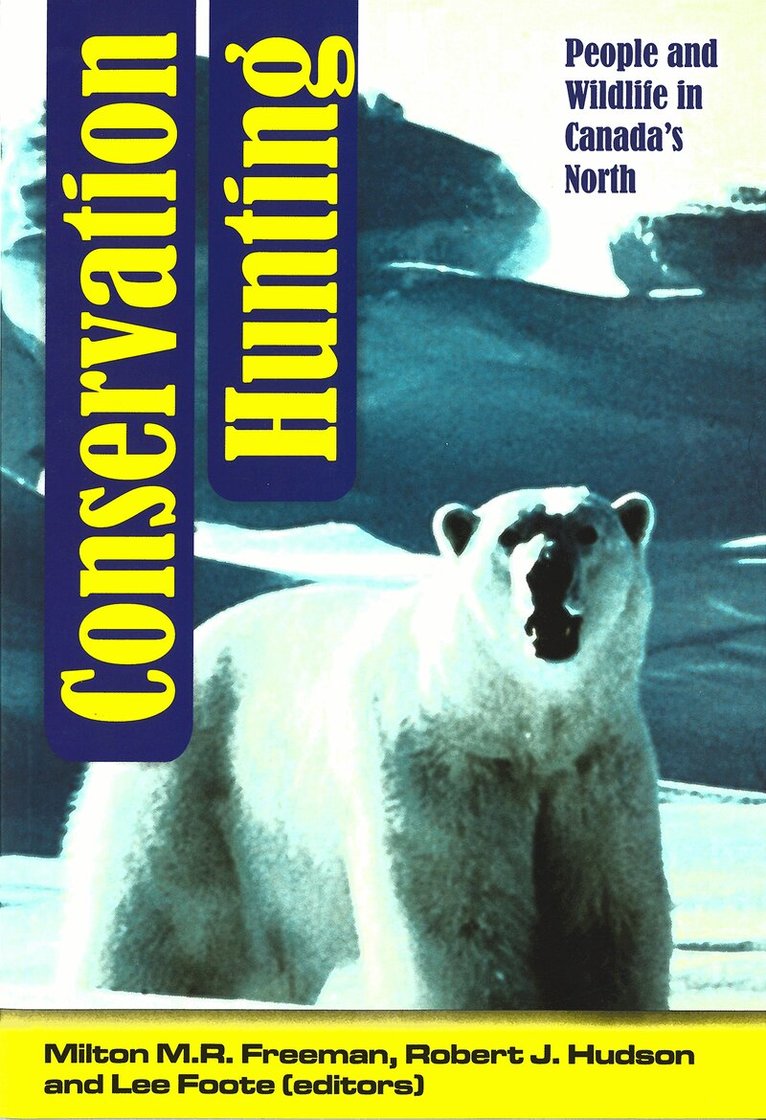
The international conference People, Wildlife, and Hunting: Emerging Conservation Paradigms brought together hunters, outfitters, community representatives, wildlife managers, researchers and conservationists from across Canada and overseas to explore the relationship linking trophy hunting, wildlife conservation, large-mammal management, community economies, and community sustainability in rural areas. This report focuses more particularly (but not exclusively) upon community-based conservation hunting programs operating in the Canadian North. Papers by: William A. Wall; Peter J. Ewins; James Pokiak; Sylvia Birkholz, Naomi Krogman, Marty Luckert and Kelly Semple; Jon Hutton; George W. Wenzel and Martha Dowsley; H. Dean Cluff and Ernie Campbell; Frank Pokiak; Kai Wollscheid; Lee Foote; Graham Van Tighem, Thomas S. Jung, and Michelle Oakley; Drikus Gissing; Marco Fiesta-Bianchet; Barney Smith and Harvey Jessup;
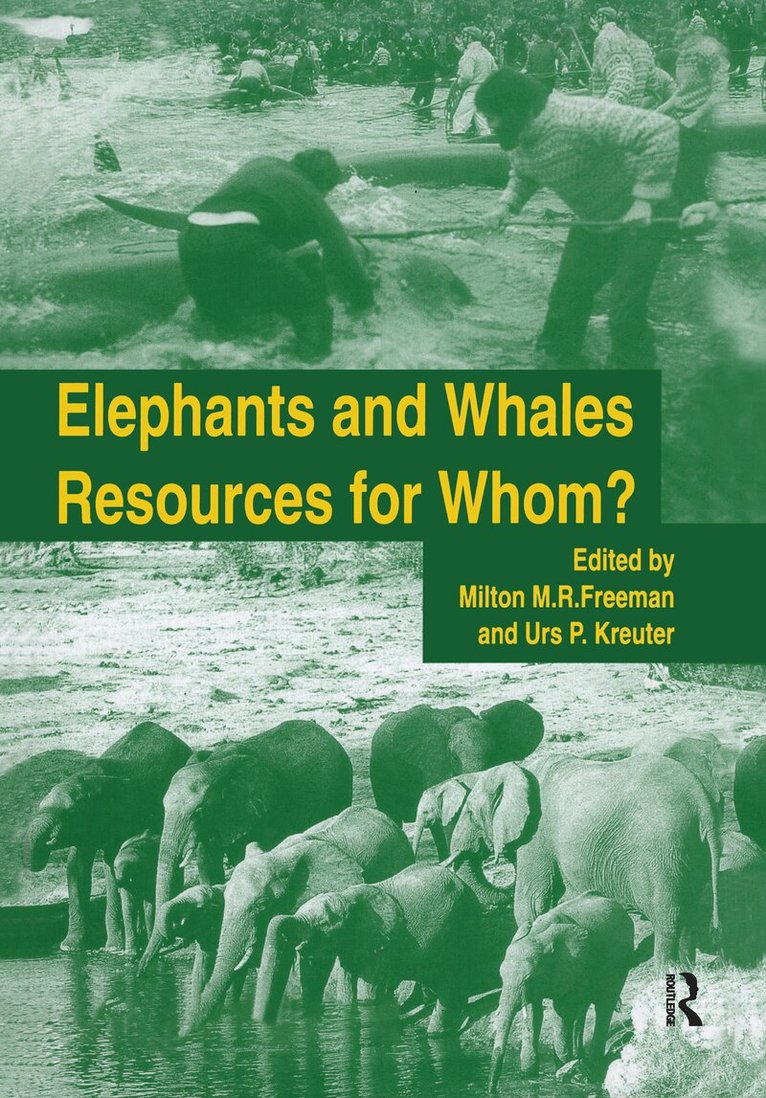
This book examines issues surrounding the management and conservation of a particular category of animal, namely the 'mediagenic megafauna', or the largest of the land and sea mammals. The value accorded to different biotic resources varies significantly depending upon the interests and goals of the parties undertaking the valuation, and these different perceptions often come to influence management of these species. Discussion and programmes directed toward 'saving' elephants and whales are particularly instructive in this regards, as these species appeal to diverse groups for markedly different reasons. One of the main purposes of this book is to make explicit the nature of different stakeholders' conservation perceptions and strategies in respect to these culturally important biological resources. This examination will hopefully inform ongoing discussion of such important issues as sustainable and equitable wildlife and fisheries management plans, bioregionalism and the maintenance of biodiversity.