Ming Dong Gu – författare
Visar alla böcker från författaren Ming Dong Gu. Handla med fri frakt och snabb leverans.
31 produkter
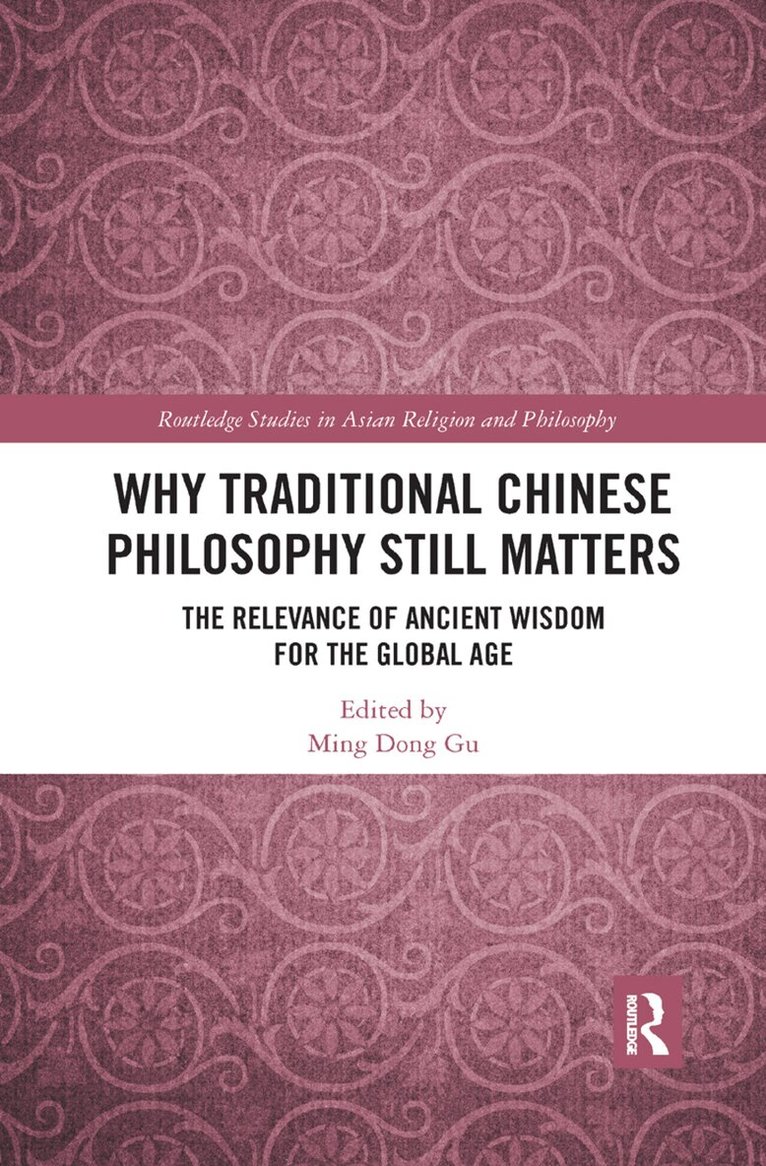
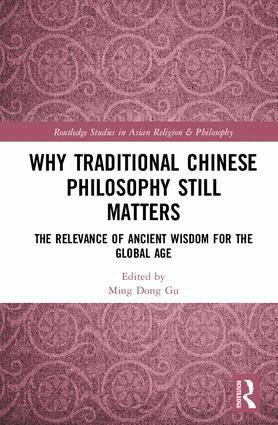
Why Traditional Chinese Philosophy Still Matters
The Relevance of Ancient Wisdom for the Global Age
Av Ming Dong Gu
Häftad, 2019
721 kr
Lägg i varukorg
Traditional Chinese philosophy, if engaged at all, is often regarded as an object of antiquated curiosity and dismissed as unimportant in the current age of globalization.Written by a team of internationally renowned scholars, this book, however, challenges this judgement and offers an in-depth …
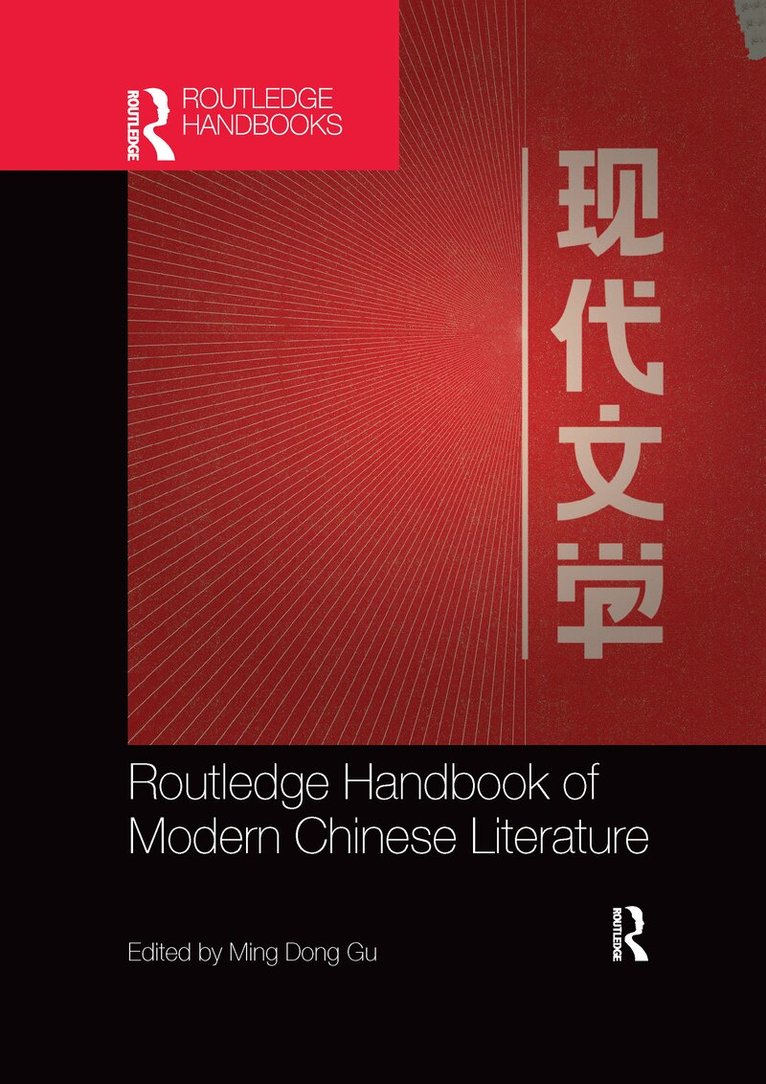
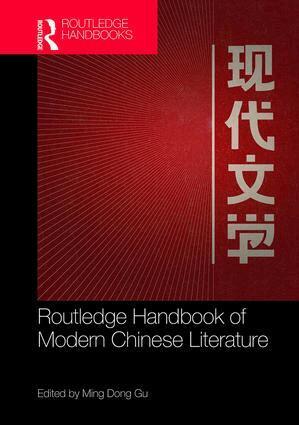
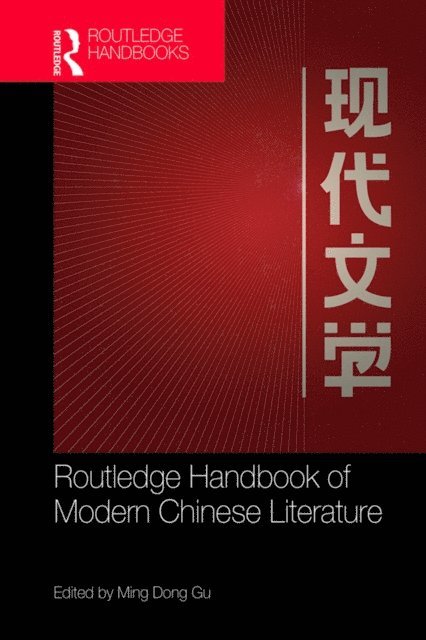
Routledge Handbook of Modern Chinese Literature
Av Ming Dong Gu
Häftad, 2020
913 kr
Lägg i varukorg
The Routledge Handbook of Modern Chinese Literature presents a comprehensive overview of Chinese literature from the 1910s to the present day. Featuring detailed studies of selected masterpieces, it adopts a thematic-comparative approach. By developing an innovative conceptual framework predicated …
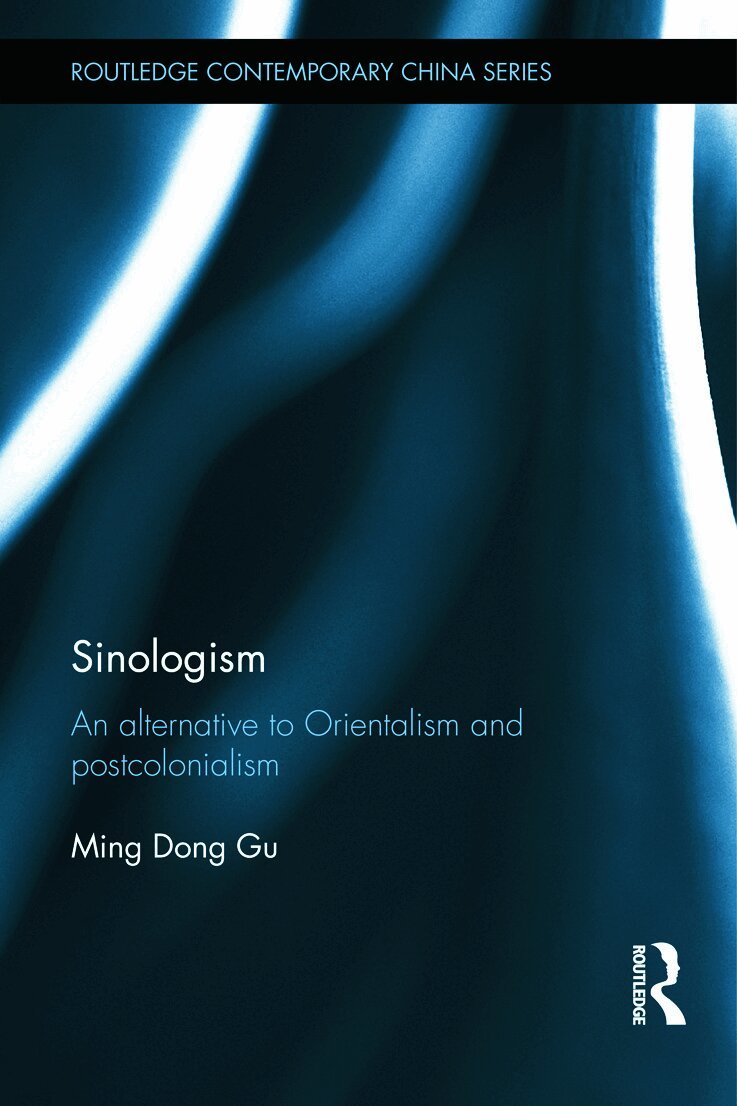
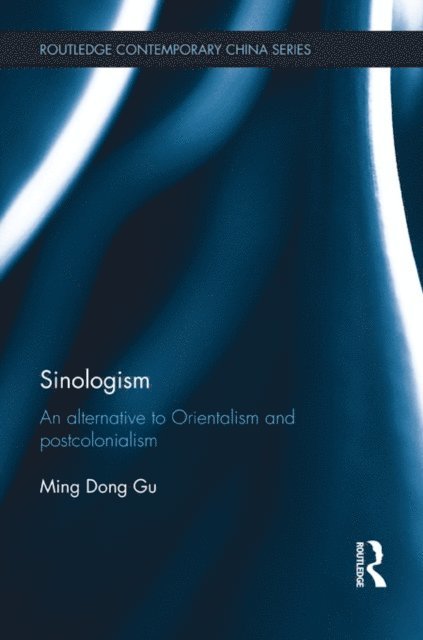
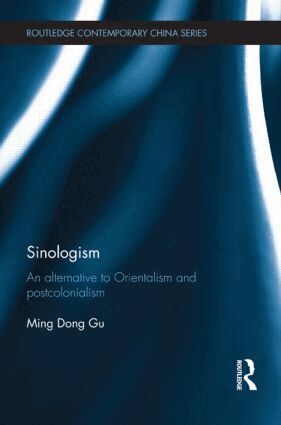
Sinologism
An Alternative to Orientalism and Postcolonialism
Av Ming Dong Gu
Inbunden, 2012
2513 kr
Lägg i varukorg
Why, for centuries, have the West and the world continuously produced China knowledge that deviates from Chinese realities? Why, since the mid-nineteenth century, have Chinese intellectuals oscillated between commendation and condemnation of their own culture, and between fetishization and …
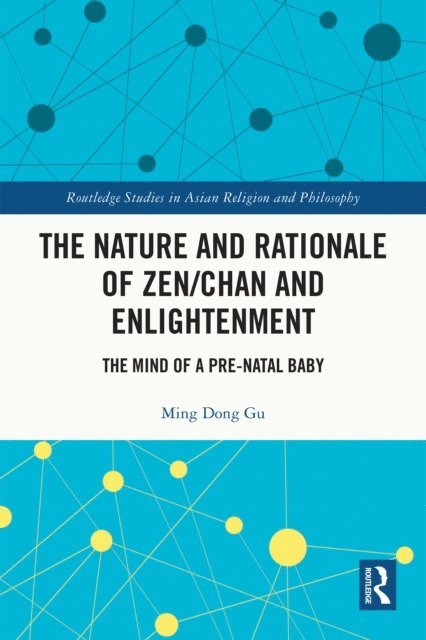
Nature and Rationale of Zen/Chan and Enlightenment
The Mind of a Pre-Natal Baby
Av Ming Dong Gu
E-bok, 2023
746 kr
Lägg i varukorg
This book initiates a paradigm shift away from Zen/Chan as quintessentially Buddhist and examines what makes Chan thought and practice unique and original through an interdisciplinary investigation of the nature and rationale of Chan and its enlightenment. Exploring how enlightenment is achieved …
Nature and Rationale of Zen/Chan and Enlightenment
The Mind of a Pre-Natal Baby
Av Ming Dong Gu
E-bok, 2023
762 kr
Lägg i varukorg
This book initiates a paradigm shift away from Zen/Chan as quintessentially Buddhist and examines what makes Chan thought and practice unique and original through an interdisciplinary investigation of the nature and rationale of Chan and its enlightenment. Exploring how enlightenment is achieved …
Nature and Rationale of Zen/Chan and Enlightenment
The Mind of a Pre-Natal Baby
Av Ming Dong Gu
Inbunden, 2023
2513 kr
Lägg i varukorg
This book initiates a paradigm shift away from Zen/Chan as quintessentially Buddhist and examines what makes Chan thought and practice unique and original through an interdisciplinary investigation of the nature and rationale of Chan and its enlightenment.Exploring how enlightenment is achieved …
Nature and Rationale of Zen/Chan and Enlightenment
The Mind of a Pre-Natal Baby
Av Ming Dong Gu
Häftad, 2024
648 kr
Lägg i varukorg
This book initiates a paradigm shift away from Zen/Chan as quintessentially Buddhist and examines what makes Chan thought and practice unique and original through an interdisciplinary investigation of the nature and rationale of Chan and its enlightenment.Exploring how enlightenment is achieved …
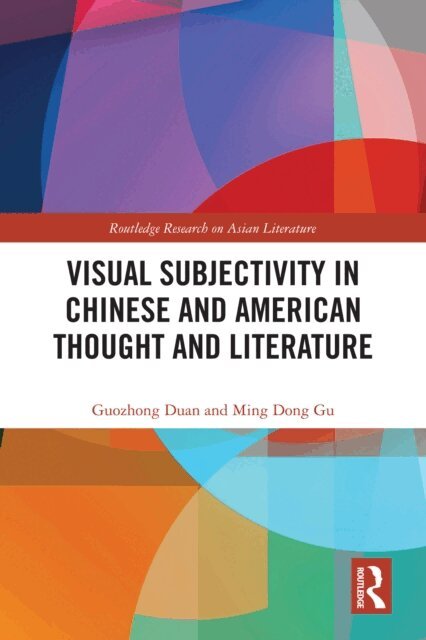
Visual Subjectivity in Chinese and American Thought and Literature
Av Ming Dong Gu, Guozhong Duan
E-bok, 2025
935 kr
Lägg i varukorg
Providing the reader with a systematic study of visual subjectivity in comparative thought and literature, this book analyses the role that vision and visuality, especially interpersonal visuality, plays in the constitution of subject and subjectivity in Chinese and American traditions.Examining …
Visual Subjectivity in Chinese and American Thought and Literature
Av Ming Dong Gu, Guozhong Duan
E-bok, 2025
935 kr
Lägg i varukorg
Providing the reader with a systematic study of visual subjectivity in comparative thought and literature, this book analyses the role that vision and visuality, especially interpersonal visuality, plays in the constitution of subject and subjectivity in Chinese and American traditions.Examining …
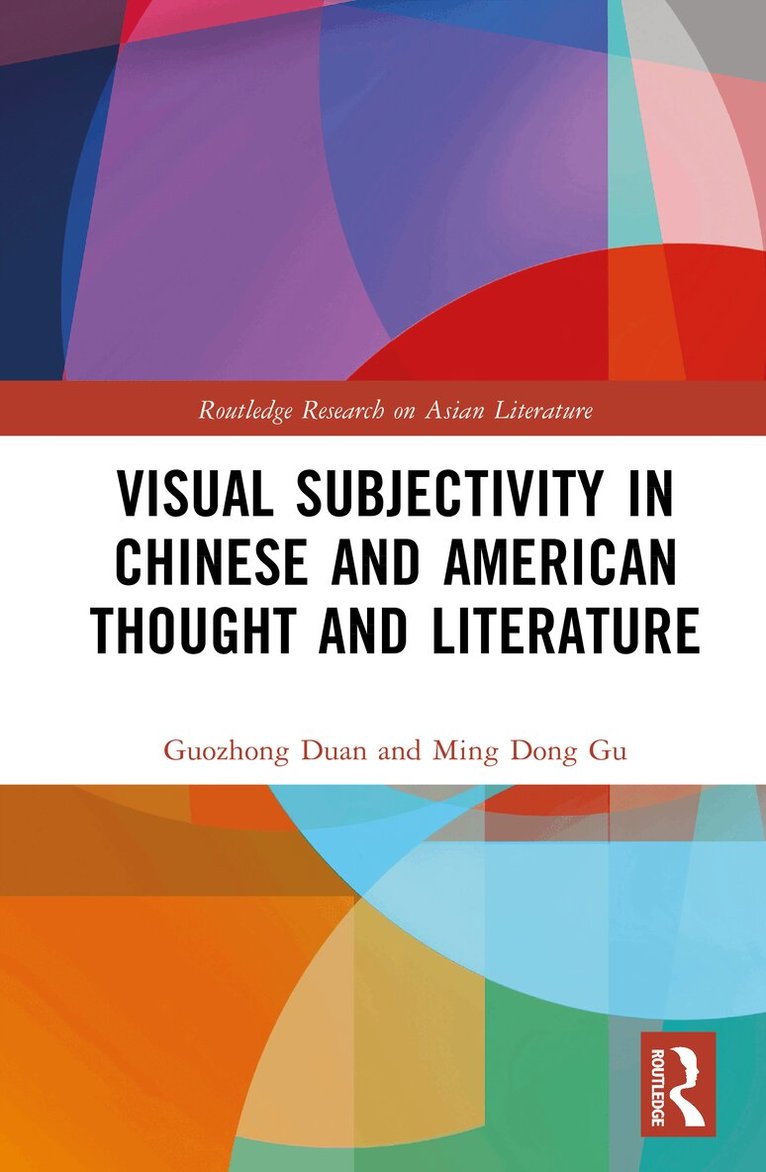
Visual Subjectivity in Chinese and American Thought and Literature
Av Guozhong Duan, Ming Dong Gu
Inbunden, 2025
2890 kr
Lägg i varukorg
Providing the reader with a systematic study of visual subjectivity in comparative thought and literature, this book analyses the role that vision and visuality, especially interpersonal visuality, play in the constitution of subject and subjectivity in Chinese and American traditions.Examining the …
Sinologism
An Alternative to Orientalism and Postcolonialism
Av Ming Dong Gu
E-bok, 2012
1074 kr
Lägg i varukorg
Why, for centuries, have the West and the world continuously produced China knowledge that deviates from Chinese realities? Why, since the mid-nineteenth century, have Chinese intellectuals oscillated between commendation and condemnation of their own culture, and between fetishization and …
Sinologism
An Alternative to Orientalism and Postcolonialism
Av Ming Dong Gu
E-bok, 2012
1051 kr
Lägg i varukorg
Why, for centuries, have the West and the world continuously produced China knowledge that deviates from Chinese realities? Why, since the mid-nineteenth century, have Chinese intellectuals oscillated between commendation and condemnation of their own culture, and between fetishization and …
Why Traditional Chinese Philosophy Still Matters
The Relevance of Ancient Wisdom for the Global Age
Av Ming Dong Gu
Inbunden, 2018
2513 kr
Lägg i varukorg
Traditional Chinese philosophy, if engaged at all, is often regarded as an object of antiquated curiosity and dismissed as unimportant in the current age of globalization.Written by a team of internationally renowned scholars, this book, however, challenges this judgement and offers an in-depth …
Routledge Handbook of Modern Chinese Literature
Av Ming Dong Gu
Inbunden, 2018
4364 kr
Lägg i varukorg
The Routledge Handbook of Modern Chinese Literature presents a comprehensive overview of Chinese literature from the 1910s to the present day. Featuring detailed studies of selected masterpieces, it adopts a thematic-comparative approach. By developing an innovative conceptual framework predicated …
Sinologism
An Alternative to Orientalism and Postcolonialism
Av Ming Dong Gu
Häftad, 2015
910 kr
Lägg i varukorg
Why, for centuries, have the West and the world continuously produced China knowledge that deviates from Chinese realities? Why, since the mid-nineteenth century, have Chinese intellectuals oscillated between commendation and condemnation of their own culture, and between fetishization and …
Routledge Handbook of Modern Chinese Literature
Av Ming Dong Gu
E-bok, 2018
1052 kr
Lägg i varukorg
The Routledge Handbook of Modern Chinese Literature presents a comprehensive overview of Chinese literature from the 1910s to the present day. Featuring detailed studies of selected masterpieces, it adopts a thematic-comparative approach. By developing an innovative conceptual framework predicated …
Routledge Handbook of Modern Chinese Literature
Av Ming Dong Gu
E-bok, 2018
1052 kr
Lägg i varukorg
The Routledge Handbook of Modern Chinese Literature presents a comprehensive overview of Chinese literature from the 1910s to the present day. Featuring detailed studies of selected masterpieces, it adopts a thematic-comparative approach. By developing an innovative conceptual framework predicated …
Why Traditional Chinese Philosophy Still Matters
The Relevance of Ancient Wisdom for the Global Age
Av Ming Dong Gu
E-bok, 2018
849 kr
Lägg i varukorg
Traditional Chinese philosophy, if engaged at all, is often regarded as an object of antiquated curiosity and dismissed as unimportant in the current age of globalization. Written by a team of internationally renowned scholars, this book, however, challenges this judgement and offers an in-depth …
Why Traditional Chinese Philosophy Still Matters
The Relevance of Ancient Wisdom for the Global Age
Av Ming Dong Gu
E-bok, 2018
849 kr
Lägg i varukorg
Traditional Chinese philosophy, if engaged at all, is often regarded as an object of antiquated curiosity and dismissed as unimportant in the current age of globalization. Written by a team of internationally renowned scholars, this book, however, challenges this judgement and offers an in-depth …
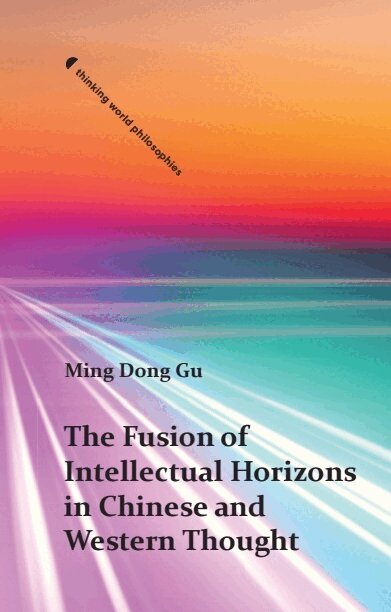
Fusion of Intellectual Horizons in Chinese and Western Thought
Av Ming Dong Gu
Inbunden, 2026
1331 kr
Lägg i varukorg
Ming Dong Gu bridges the divide between Chinese and Western thought. He does this by addressing key topics that have been of enduring interest to thinkers, scholars and intellectuals in an effort to bring about the fusion of horizons between Chinese and Western thought. These focus on the flow of …
Fusion of Intellectual Horizons in Chinese and Western Thought
Av Ming Dong Gu
E-bok, 2026
1630 kr
Lägg i varukorg
Ming Dong Gu bridges the divide between Chinese and Western thought. He does this by addressing key topics that have been of enduring interest to thinkers, scholars and intellectuals in an effort to bring about the fusion of horizons between Chinese and Western thought. These focus on the flow of …
Fusion of Intellectual Horizons in Chinese and Western Thought
Av Ming Dong Gu
E-bok, 2026
1630 kr
Lägg i varukorg
Ming Dong Gu bridges the divide between Chinese and Western thought. He does this by addressing key topics that have been of enduring interest to thinkers, scholars and intellectuals in an effort to bring about the fusion of horizons between Chinese and Western thought. These focus on the flow of …
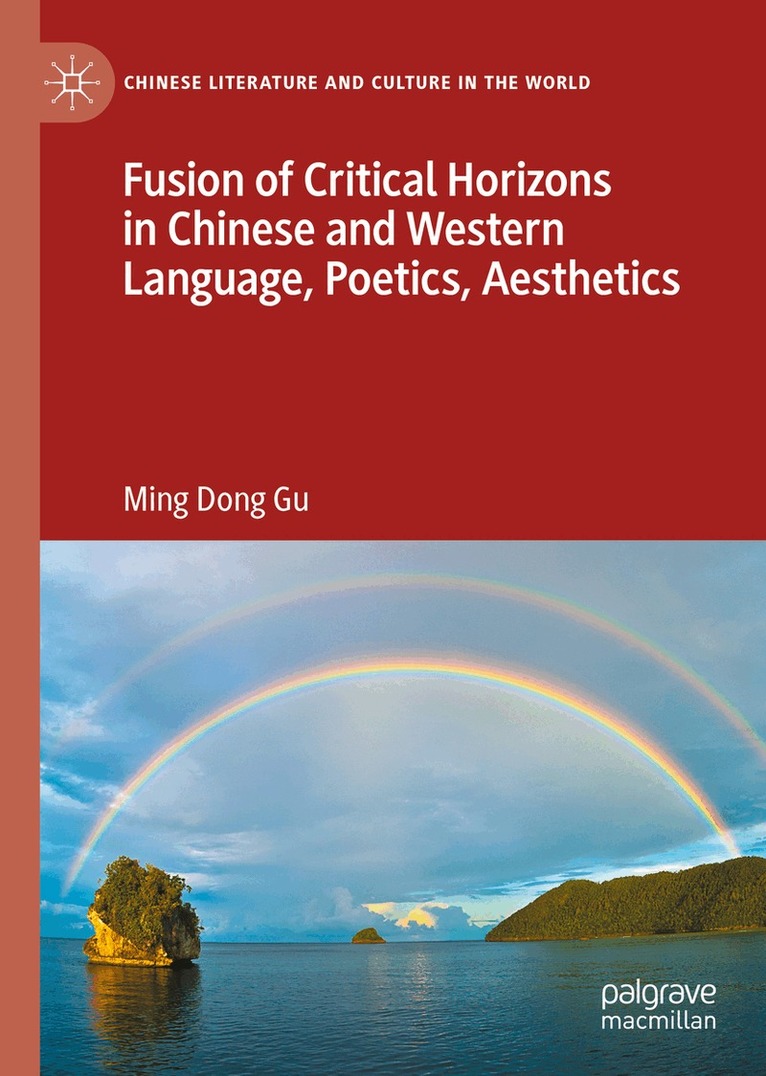
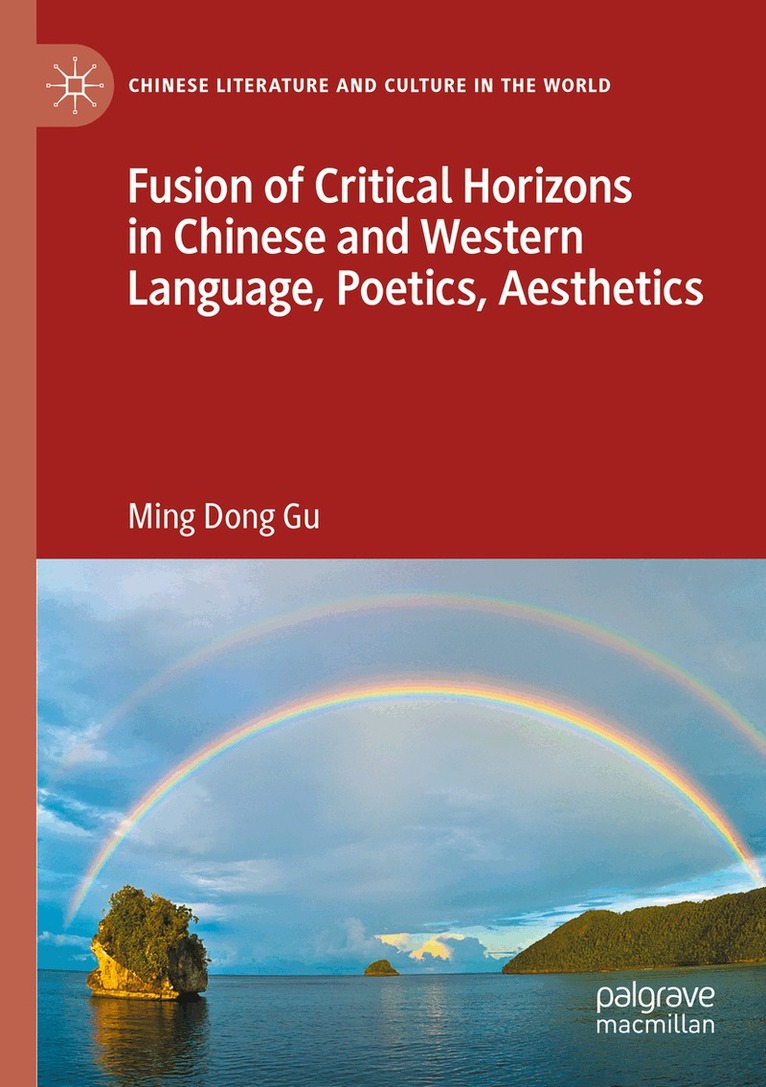
Fusion of Critical Horizons in Chinese and Western Language, Poetics, Aesthetics
Av Ming Dong Gu
Inbunden, 2021
1556 kr
Lägg i varukorg
This book begins with a reflection on dichotomies in comparative studies of Chinese and Western literature and aesthetics. Critiquing an oppositional paradigm, Ming Dong Gu argues that despite linguistic and cultural differences, the two traditions share much common ground in critical theory, …
Fusion of Critical Horizons in Chinese and Western Language, Poetics, Aesthetics
Av Ming Dong Gu
E-bok, 2021
1912 kr
Lägg i varukorg
This book begins with a reflection on dichotomies in comparative studies of Chinese and Western literature and aesthetics. Critiquing an oppositional paradigm, Ming Dong Gu argues that despite linguistic and cultural differences, the two traditions share much common ground in critical theory, …
Fusion of Critical Horizons in Chinese and Western Language, Poetics, Aesthetics
Av Ming Dong Gu
Häftad, 2022
1437 kr
Lägg i varukorg
This book begins with a reflection on dichotomies in comparative studies of Chinese and Western literature and aesthetics. Critiquing an oppositional paradigm, Ming Dong Gu argues that despite linguistic and cultural differences, the two traditions share much common ground in critical theory, …
Chinese Theories of Reading and Writing
A Route to Hermeneutics and Open Poetics
Av Ming Dong Gu
Inbunden, 2005
1120 kr
Tillfälligt slut
A groundbreaking work that uncovers an implicit system of hermeneutics in traditional Chinese thought and aesthetics.This ambitious work provides a systematic study of Chinese theories of reading and writing in intellectual thought and critical practice. The author maintains that there are two …
Chinese Theories of Reading and Writing
A Route to Hermeneutics and Open Poetics
Av Ming Dong Gu
Häftad, 2006
486 kr
Tillfälligt slut
A groundbreaking work that uncovers an implicit system of hermeneutics in traditional Chinese thought and aesthetics.This ambitious work provides a systematic study of Chinese theories of reading and writing in intellectual thought and critical practice. The author maintains that there are two …
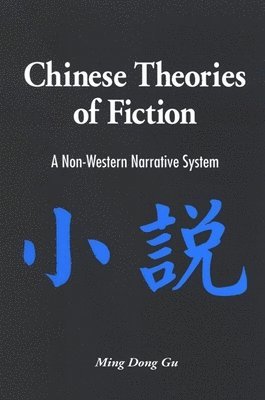
Chinese Theories of Fiction
A Non-Western Narrative System
Av Ming Dong Gu
Inbunden, 2006
1278 kr
Tillfälligt slut
An ambitious, innovative work that proposes a distinctly Chinese theory of fiction.In this innovative work, Ming Dong Gu examines Chinese literature and traditional Chinese criticism to construct a distinctly Chinese theory of fiction and places it within the context of international fiction …
Chinese Theories of Fiction
A Non-Western Narrative System
Av Ming Dong Gu
Häftad, 2007
486 kr
Tillfälligt slut
An ambitious, innovative work that proposes a distinctly Chinese theory of fiction.In this innovative work, Ming Dong Gu examines Chinese literature and traditional Chinese criticism to construct a distinctly Chinese theory of fiction and places it within the context of international fiction …
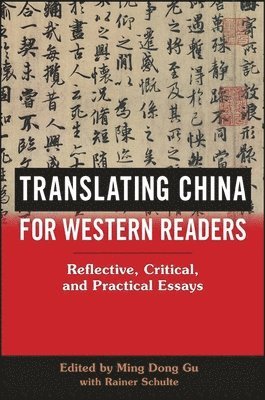
Translating China for Western Readers
Reflective, Critical, and Practical Essays
Av Ming Dong Gu
Häftad, 2016
486 kr
Tillfälligt slut
Explores the challenges of translating Chinese works for Western readers, particularly premodern texts.This book explores the challenges of translating Chinese works, particularly premodern ones, for a contemporary Western readership. Reacting against the "cultural turn" in translation studies, …