Mir Afzal Tajik – författare
Visar alla böcker från författaren Mir Afzal Tajik. Handla med fri frakt och snabb leverans.
4 produkter
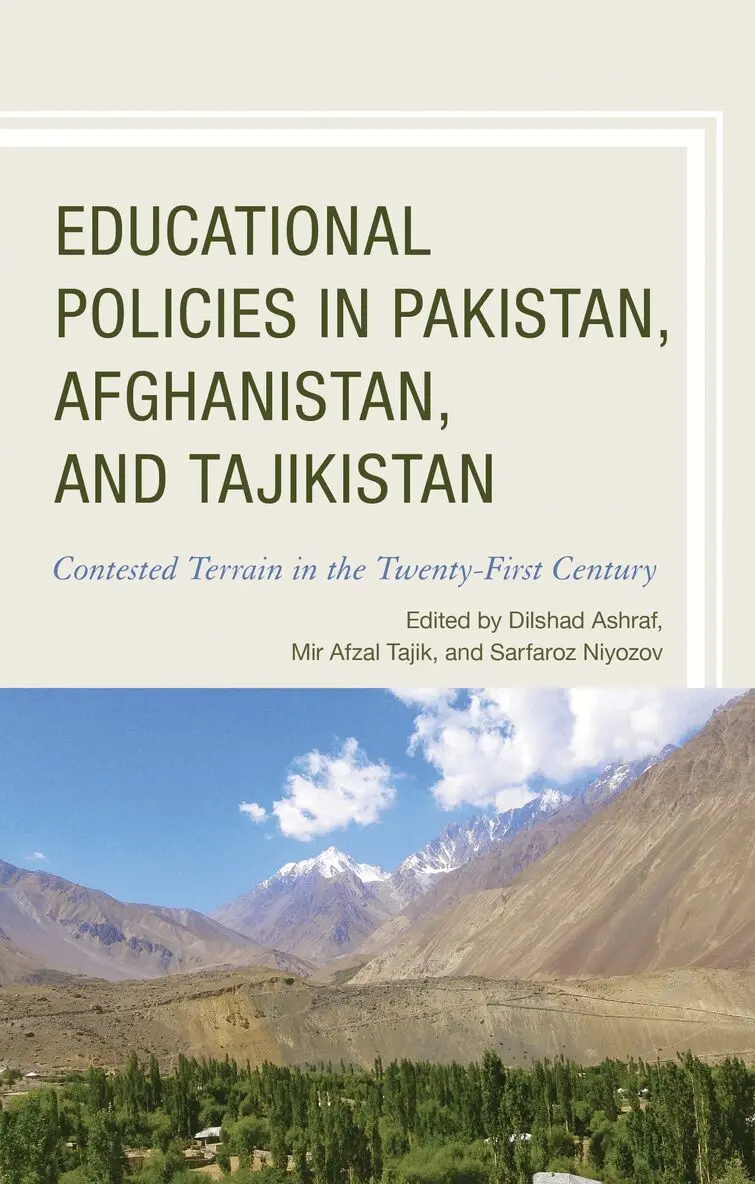
Educational Policies in Pakistan, Afghanistan, and Tajikistan
Contested Terrain in the Twenty-First Century
Av Dilshad Ashraf, Mir Afzal Tajik m. fl.
Inbunden, 2016
1247 kr
Lägg i varukorg
In the mountains of the Northern Pakistan, Tajikistan and Afghanistan School and schooling are both symbolic of wider ranging cultural and political battles over morals, modernity, development, gender and the rule of law. Educational Policies in Pakistan, Afghanistan, and Tajikistan: Contested …
Redefining Educational Leadership in Central Asia
Selected Cases from Kazakhstan and Kyrgyzstan
Av Tsediso Michael Makoelle, Mir Afzal Tajik
E-bok, 2024
1188 kr
Lägg i varukorg
Educational institutions within the post-soviet independent states of Kazakhstan and Kyrgyzstan have seen dramatic changes and educational reforms since their independence. Rapid technological changes, economic globalization, and increased migration and mobility of students have led Central Asian …
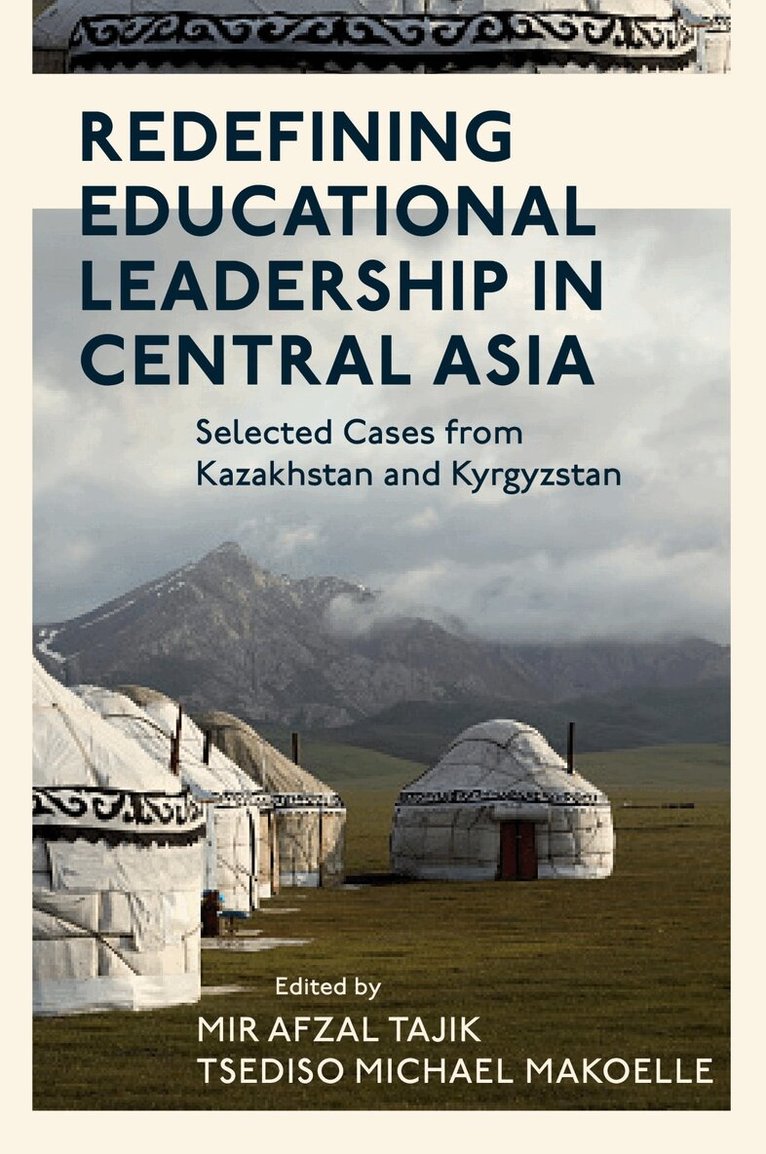
Redefining Educational Leadership in Central Asia
Selected Cases from Kazakhstan and Kyrgyzstan
Av Mir Afzal Tajik, Tsediso Michael Makoelle
Inbunden, 2024
1098 kr
Lägg i varukorg
Educational institutions within the post-soviet independent states of Kazakhstan and Kyrgyzstan have seen dramatic changes and educational reforms since their independence. Rapid technological changes, economic globalization, and increased migration and mobility of students have led Central Asian …
Redefining Educational Leadership in Central Asia
Selected Cases from Kazakhstan and Kyrgyzstan
Av Tsediso Michael Makoelle, Mir Afzal Tajik
E-bok, 2024
1188 kr
Lägg i varukorg
Educational institutions within the post-soviet independent states of Kazakhstan and Kyrgyzstan have seen dramatic changes and educational reforms since their independence. Rapid technological changes, economic globalization, and increased migration and mobility of students have led Central Asian …