Mire Koikari – författare
Visar alla böcker från författaren Mire Koikari. Handla med fri frakt och snabb leverans.
9 produkter
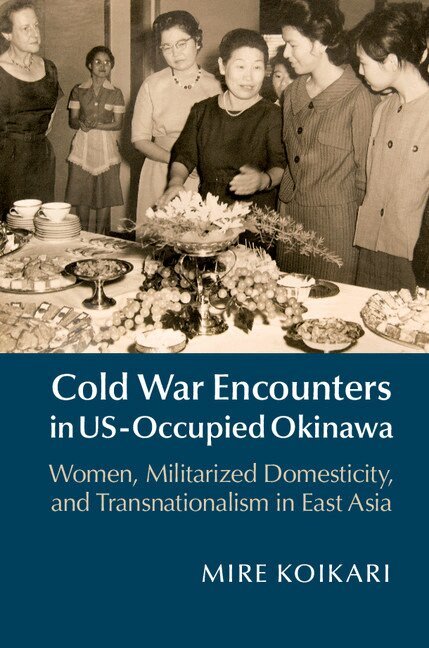
Cold War Encounters in US-Occupied Okinawa
Women, Militarized Domesticity, and Transnationalism in East Asia
Av Mire Koikari
Inbunden, 2015
1291 kr
Lägg i varukorg
In this innovative and engaging study, Mire Koikari recasts the US occupation of Okinawa as a startling example of Cold War cultural interaction in which women's grassroots activities involving homes and homemaking played a pivotal role in reshaping the contours of US and Japanese imperialisms. …
Cold War Encounters in US-Occupied Okinawa
Women, Militarized Domesticity, and Transnationalism in East Asia
Av Mire Koikari
Häftad, 2017
574 kr
Lägg i varukorg
In this innovative and engaging study, Mire Koikari recasts the US occupation of Okinawa as a startling example of Cold War cultural interaction in which women's grassroots activities involving homes and homemaking played a pivotal role in reshaping the contours of US and Japanese imperialisms. …
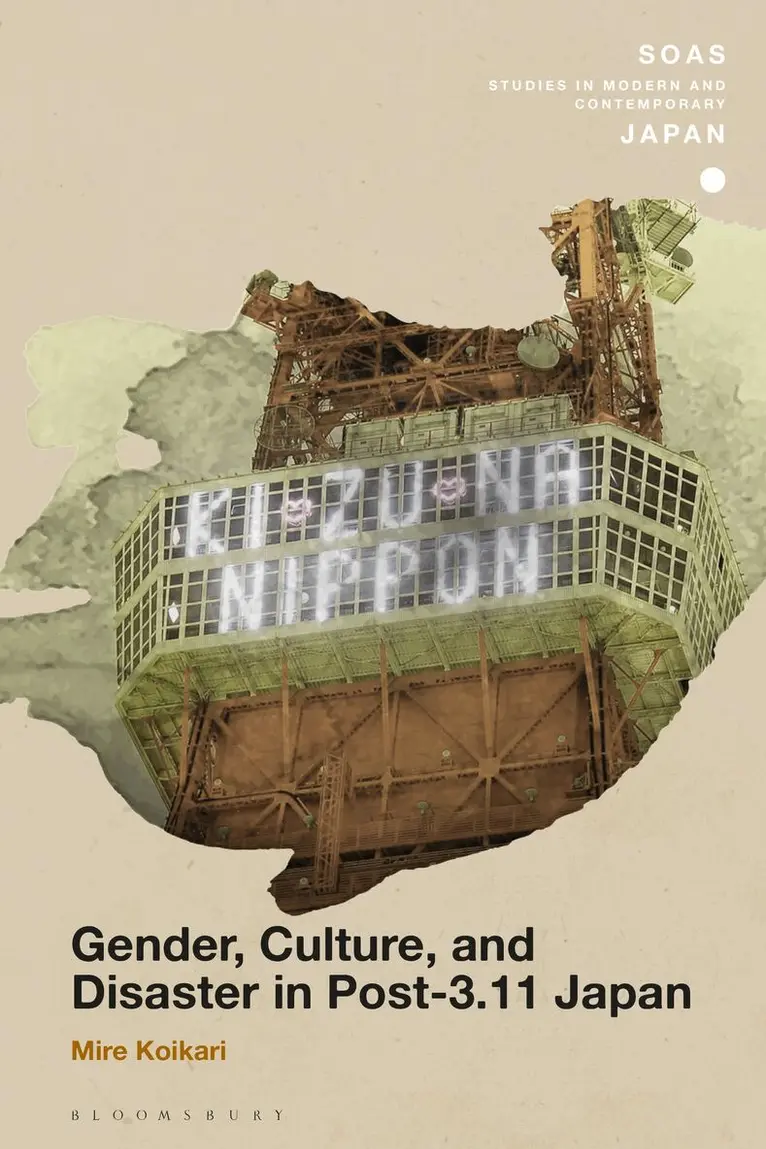
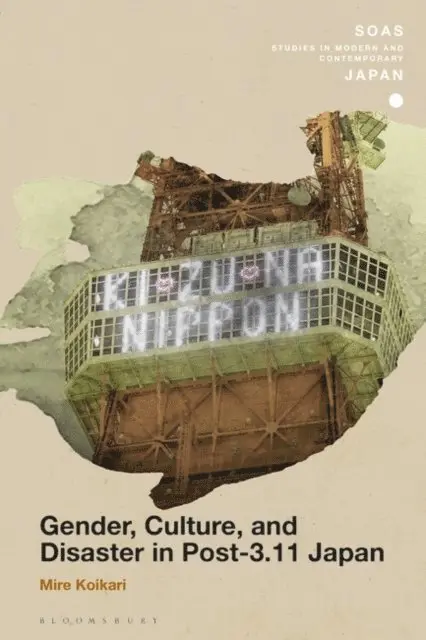
Gender, Culture, and Disaster in Post-3.11 Japan
Av Mire Koikari, Christopher Gerteis
Inbunden, 2020
1607 kr
Lägg i varukorg
The Great East Japan Disaster – a compound catastrophe of earthquake, tsunami, and nuclear meltdown that began on March 11, 2011 – has ushered in a new era of cultural production dominated by discussions on safety and security, risk and vulnerability, and recovery and refortification. Gender, …
Gender, Culture, and Disaster in Post-3.11 Japan
Av Mire Koikari
E-bok, 2020
514 kr
Lägg i varukorg
The Great East Japan Disaster – a compound catastrophe of earthquake, tsunami, and nuclear meltdown that began on March 11, 2011 – has ushered in a new era of cultural production dominated by discussions on safety and security, risk and vulnerability, and recovery and refortification. Gender, …
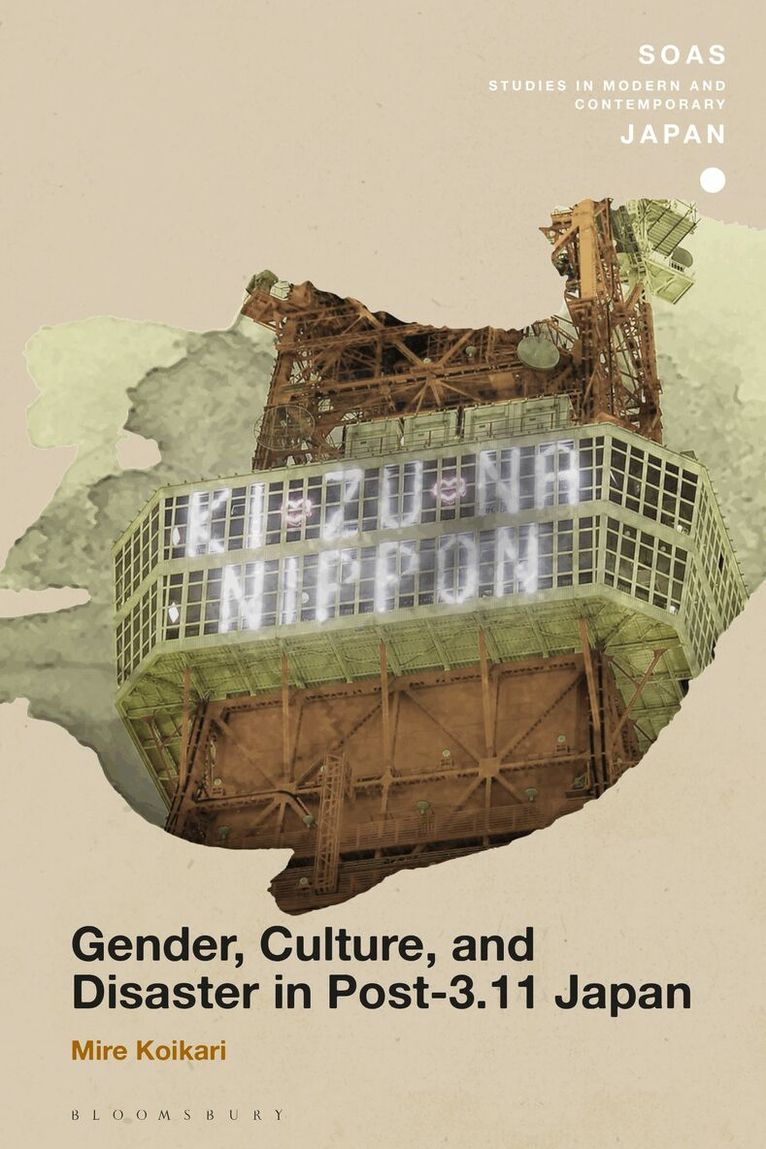
Gender, Culture, and Disaster in Post-3.11 Japan
Av Mire Koikari
E-bok, 2020
514 kr
Lägg i varukorg
The Great East Japan Disaster – a compound catastrophe of earthquake, tsunami, and nuclear meltdown that began on March 11, 2011 – has ushered in a new era of cultural production dominated by discussions on safety and security, risk and vulnerability, and recovery and refortification. Gender, …
Gender, Culture, and Disaster in Post-3.11 Japan
Av Mire Koikari, Christopher Gerteis
Häftad, 2022
472 kr
Lägg i varukorg
The Great East Japan Disaster – a compound catastrophe of earthquake, tsunami, and nuclear meltdown that began on March 11, 2011 – has ushered in a new era of cultural production dominated by discussions on safety and security, risk and vulnerability, and recovery and refortification. Gender, …
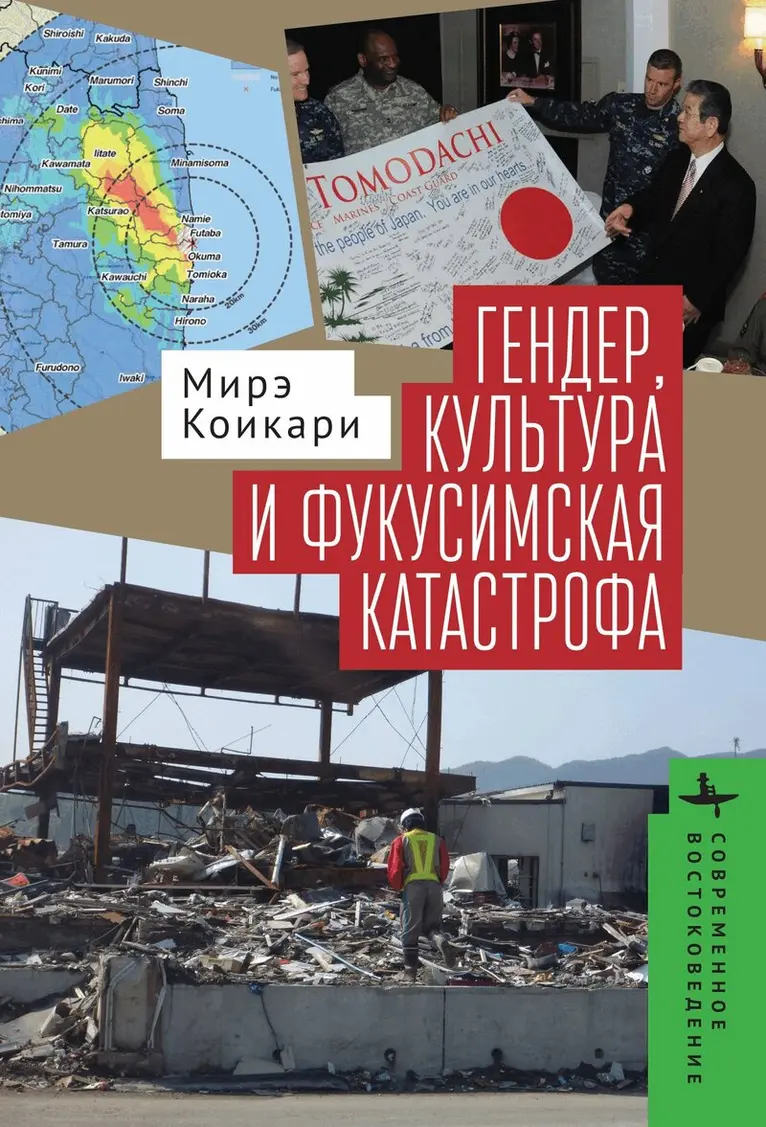
Gender, Culture, and Disaster in Post–3.11 Japan
Av Mire Koikari
Inbunden, 2024
487 kr
Lägg i varukorg
ENG: The Great East Japan Disaster – a compound catastrophe of earthquake, tsunami, and nuclear meltdown that began on March 11, 2011 – has ushered in a new era of cultural production dominated by discussions on safety and security, risk and vulnerability, and recovery and refortification. Gender, …
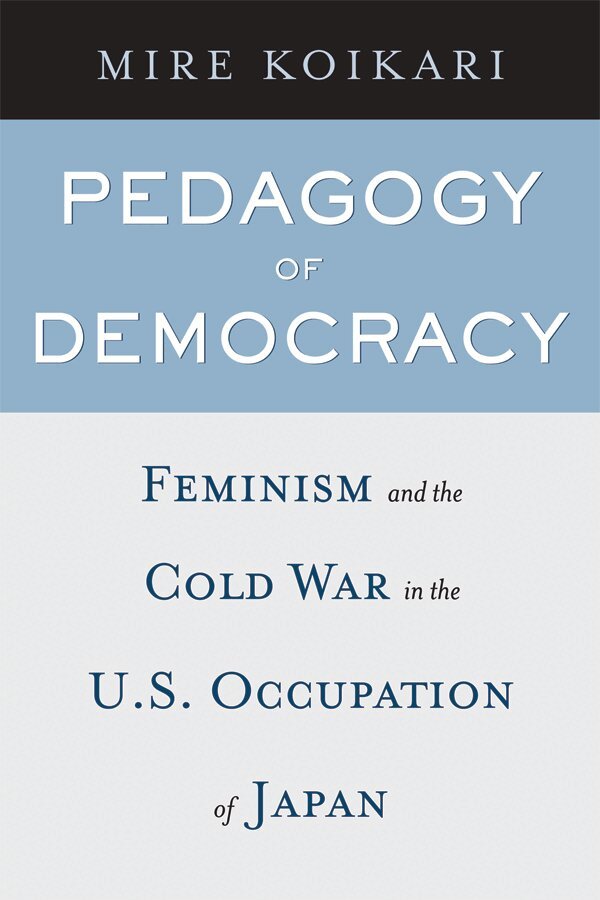
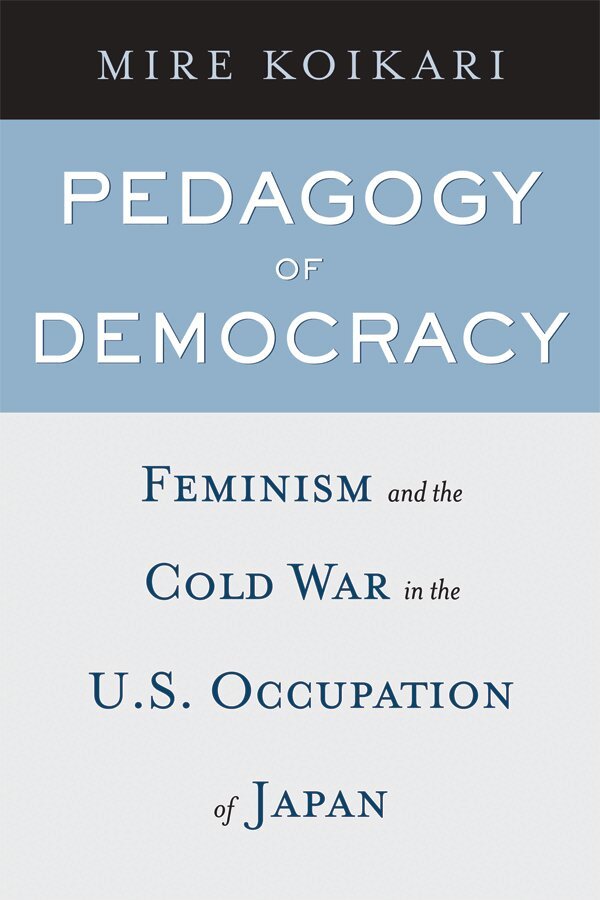
Pedagogy of Democracy
Feminism and the Cold War in the U.S. Occupation of Japan
Av Mire Koikari
Inbunden, 2008
713 kr
Tillfälligt slut
A new look at democratization, women's rights, and the Cold War in Post- WWII US-Occupied Japan
Pedagogy of Democracy
Feminism and the Cold War in the U.S. Occupation of Japan
Av Mire Koikari
Häftad, 2009
367 kr
Tillfälligt slut
A new look at democratization, women's rights, and the Cold War in Post- WWII US-Occupied Japan