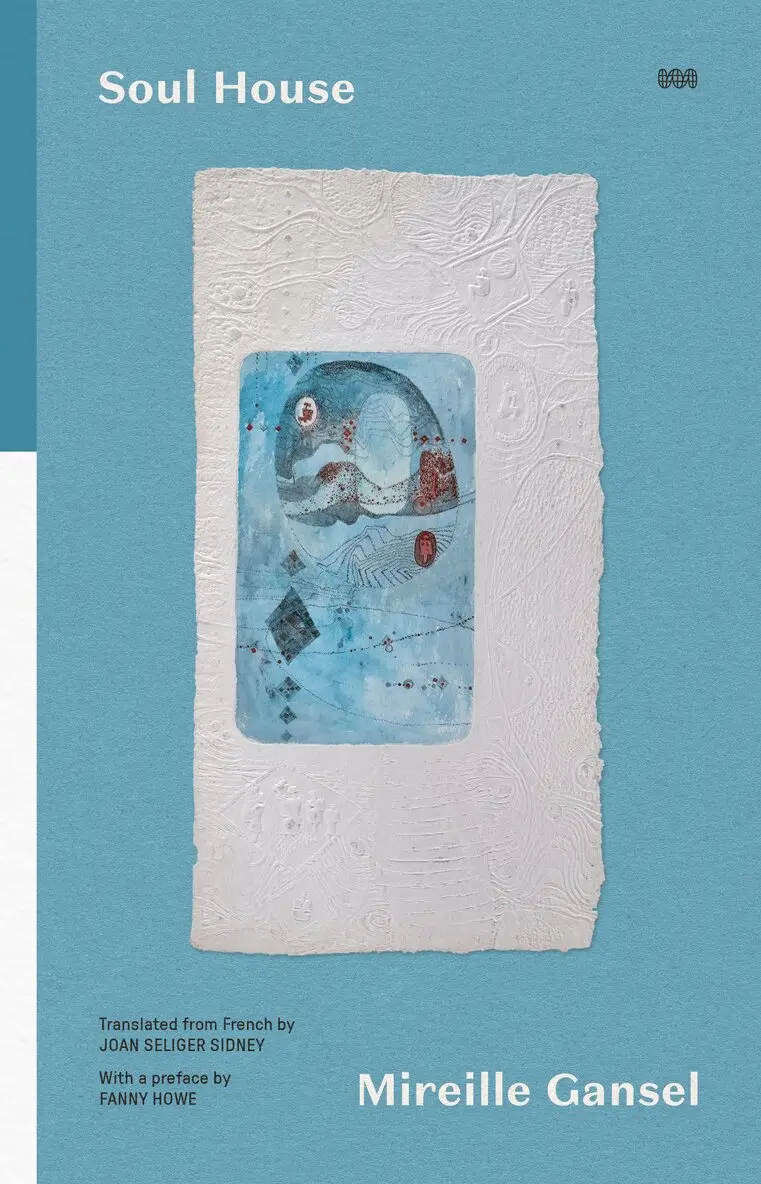
In the first of her poetry books to appear in English, acclaimed French-Jewish poet, translator, and translation-theorist Mireille Gansel crisscrosses time and extends hospitality to exiled poets and peoples in her quest to recreate a lost literary and spiritual home. Gansel opens this meditative volume of 53 prose poems with an epigraph from Gaston Bachelard: 'against all odds, the house invites us to say: I will be a citizen of the world despite the world.' In these war-torn days of refugees fleeing to Europe, Gansel strives to describe what we have in common, creating a crossroads of people, places, and languages she has loved. For Gansel, a poet rebuilding her 'soul house,' every word is a building block. At the same time that she welcomes the stranger to her lost house, poetry is her weapon -- 'these migrant poems from all languages, these smuggled words that no border can stop' -- with which to fight persecution and exile. Sophie Ehrsam wrote, 'The 'soul house' is anything that harbors a glimmer, a hope, including an open door or an outstretched hand.'
La fascinació per les paraules, que venien d'un món que ella no coneixia però que li anaven dirigides i marcaven unes vetllades familiars embolcallades amb un halo de nostàlgia, va desvetllar en Mireille Gansel la necessitat de saber què hi havia exactament darrere de cada paraula precisa. En un món marcat per l'obligada diàspora familiar i la barreja d'idiomes producte d'una persecució ignominiosa, la poeta busca la seva llengua interior fent de la traducció una manera de viure, un camí de coneixement, de descobriment i de vida.Hi ha llibres que t'enamoren, que t'hi voldries quedar a viure. Comences a llegir i les paraules et ressonen a dins com fent-se espai per formar part de la teva vida, per convertir-se en experiència pròpia. Bevent a les fonts que l'autora va construint, recorrent els camins que transita, se't desperta el desig de dir el que ella diu amb les teves paraules. Què és traduir sinó portar a casa l'aliment que trobes pel camí per construir un nou text on habitar? Traduir com transhumar. Transhumar per traduir. (De l'epíleg de Dolors Udina)
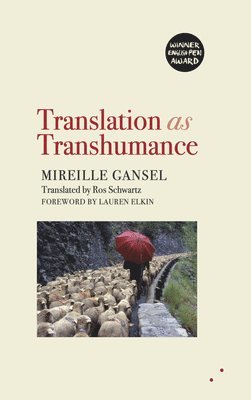
Mireille Gansel grew up in the traumatic aftermath of her family losing everything-including their native languages-to Nazi Germany. In the 1960s and 70s, she translated poets from East Berlin and Vietnam to help broadcast their defiance to the rest of the world. In this half memoire, half philosophical treatise Gansel's debut illustrates the estrangement every translator experiences for the privilege of moving between tongues, and muses on how translation becomes an exercise of empathy between those in exile.