Mirela Altic – författare
Visar alla böcker från författaren Mirela Altic. Handla med fri frakt och snabb leverans.
7 produkter
7 produkter
Inbunden, Engelska, 2022
636 kr
Skickas inom 5-8 vardagar
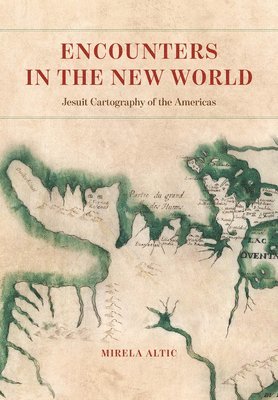
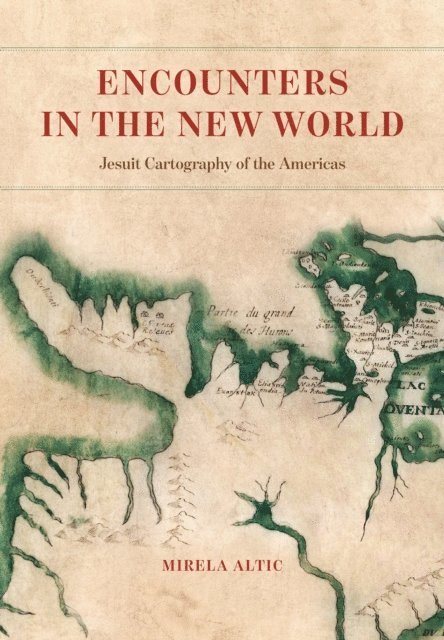
In 1540, in the wake of the tumult brought on by the Protestant Reformation, Saint Ignatius of Loyola founded the Society of Jesus, also known as the Jesuits. The Society’s goal was to revitalize the faith of Catholics and to evangelize to non-Catholics through charity, education, and missionary work. By the end of the century, Jesuit missionaries were sent all over the world, including to South America. In addition to performing missionary and humanitarian work, Jesuits also served as cartographers and explorers under the auspices of the Spanish, Portuguese, and French Crowns as they went into remote areas to find and evangelize to native populations. In Encounters in the New World, Mirela Altic analyzes more than one hundred fifty of their maps, most of which have never previously been published. She traces the Jesuit contribution to mapping and mapmaking from their arrival in the New World into the post-suppression period, placing it in the context of their worldwide undertakings in the fields of science and art. Altic’s analysis also shows the incorporation of indigenous knowledge into the Jesuit maps, effectively making them an expression of cross-cultural communication—even as they were tools of colonial expansion. This ambiguity, she reveals, reflects the complex relationship between missions, knowledge, and empire. Far more than just a physical survey of unknown space, Jesuit mapping of the New World was in fact the most important link to enable an exchange of ideas and cultural concepts between the Old World and the New.
E-bok
Engelska, 20221 188 kr
Läs direkt efter köp
Analyzing more than 150 historical maps, this book traces the Jesuits’ significant contributions to mapping and mapmaking from their arrival in the New World. In 1540, in the wake of the tumult brought on by the Protestant Reformation, Saint Ignatius of Loyola founded the Society of Jesus, also known as the Jesuits. The Society’s goal was to revitalize the faith of Catholics and to evangelize to non-Catholics through charity, education, and missionary work. By the end of the century, Jesuit missionaries were sent all over the world, including to South America. In addition to performing missionary and humanitarian work, Jesuits also served as cartographers and explorers under the auspices of the Spanish, Portuguese, and French crowns as they ventured into remote areas to find and evangelize to native populations. In Encounters in the New World, Mirela Altic analyzes more than 150 of their maps, most of which have never previously been published. She traces the Jesuit contribution to mapping and mapmaking from their arrival in the New World into the post-suppression period, placing it in the context of their worldwide undertakings in the fields of science and art. Altic’s analysis also shows the incorporation of indigenous knowledge into the Jesuit maps, effectively making them an expression of cross-cultural communication—even as they were tools of colonial expansion. This ambiguity, she reveals, reflects the complex relationship between missions, knowledge, and empire. Far more than just a physical survey of unknown space, Jesuit mapping of the New World was in fact the most important link to enable an exchange of ideas and cultural concepts between the Old World and the New.
Inbunden, Engelska, 2017
2 171 kr
Skickas inom 10-15 vardagar
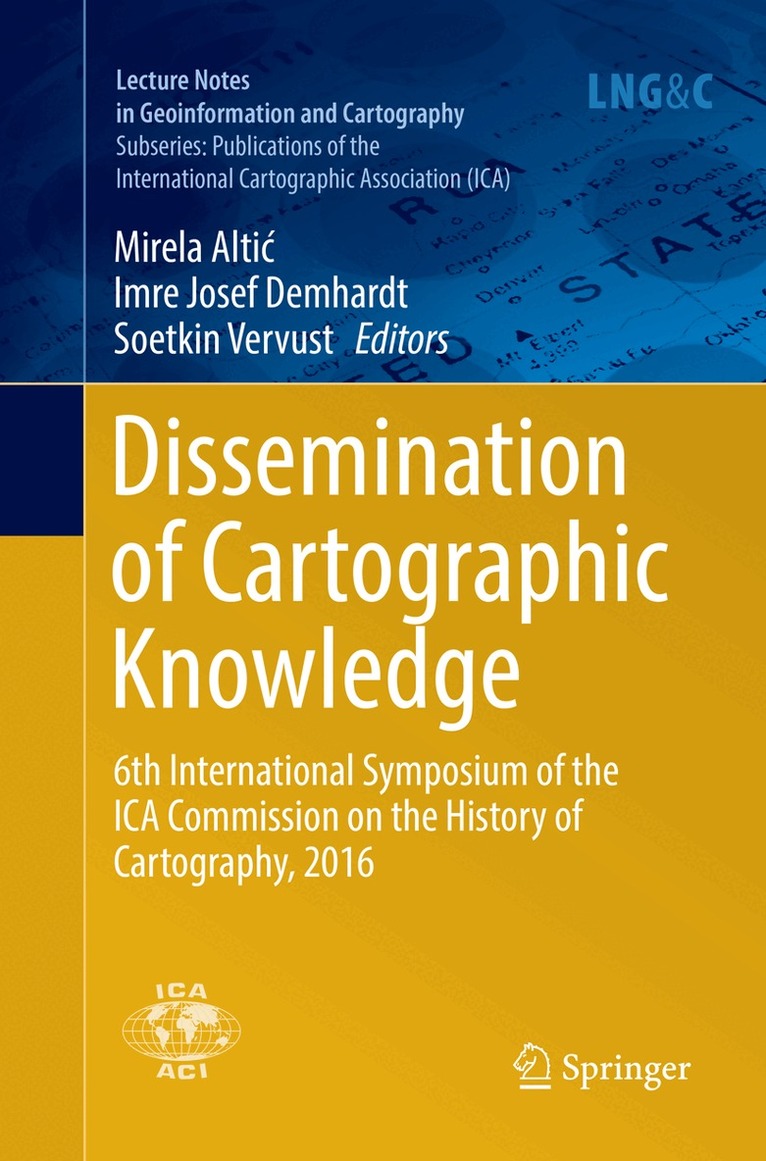
This book gathers 22 papers which were presented at the 6th International Symposium of the ICA Commission on the History of Cartography in Dubrovnik, Croatia on 13–15 October 2016. The overall conference theme was ‘The Dissemination of Cartographic Knowledge: Production – Trade – Consumption – Preservation’.
E-bok
Engelska, 20172 822 kr
Läs direkt efter köp
This book gathers 22 papers which were presented at the 6th International Symposium of the ICA Commission on the History of Cartography in Dubrovnik, Croatia on 13–15 October 2016. The overall conference theme was ‘The Dissemination of Cartographic Knowledge: Production – Trade – Consumption – Preservation’. The book presents original research by internationally respected authors in the field of historical cartography, offering a significant contribution to the development of this field of study, but also of geography, history and the GIS sciences. The primary target audience includes researchers, educators, postgraduate students, map librarians and archivists.
Häftad, Engelska, 2018
2 171 kr
Skickas inom 10-15 vardagar
This book gathers 22 papers which were presented at the 6th International Symposium of the ICA Commission on the History of Cartography in Dubrovnik, Croatia on 13–15 October 2016. The overall conference theme was ‘The Dissemination of Cartographic Knowledge: Production – Trade – Consumption – Preservation’.
Del 6 - Mapping the Past
Kosovo: History in Maps
Inbunden, Engelska, 2025
2 043 kr
Skickas inom 3-6 vardagar
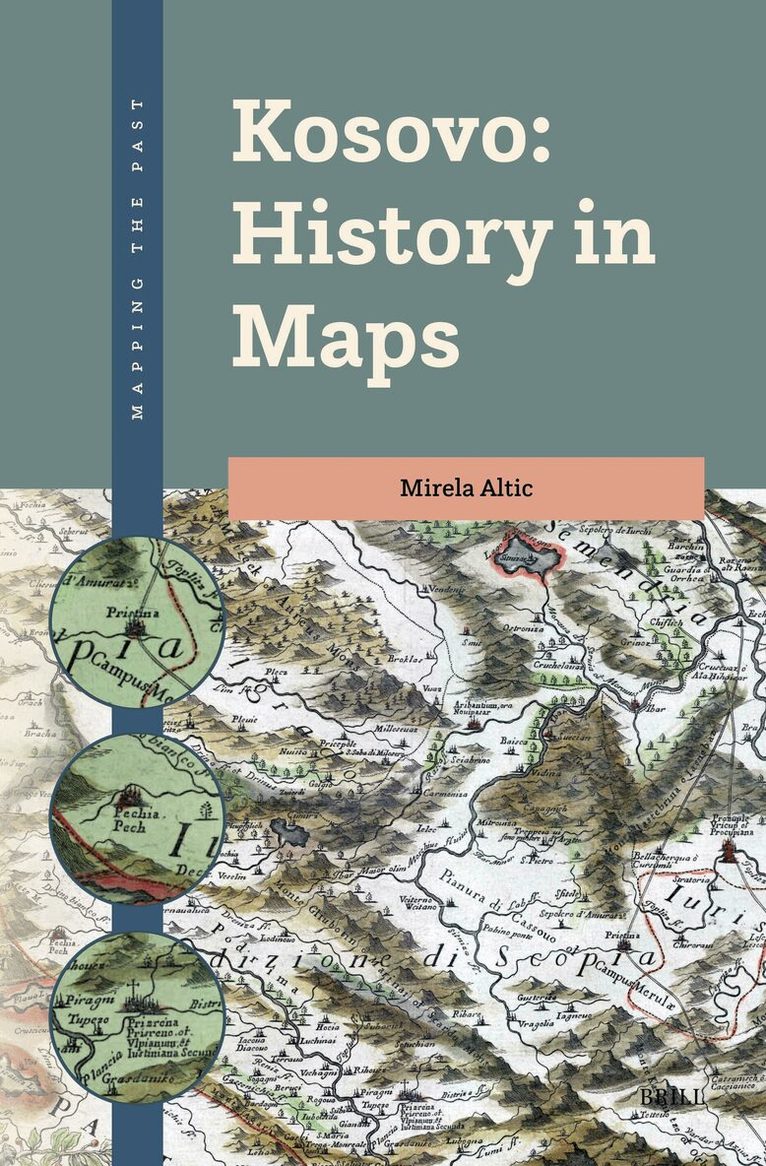
In Kosovo: History in Maps, the story of Kosovo's history is told through maps which take us through space and time, from antiquity to the present day. Placed at the intersection of the Ottoman, Habsburg, and Serbian Empires, Kosovo attracted the attention of cartographers and mapmakers from various imperial and cultural circles. Each of them embodied and circulated ideas of Kosovo and its geographical space in their own way, creating different visions of state power, historic memory, identity, imperial and national borders, and territoriality. In this regard, the book delineates the geographical reality of Kosovo in different contexts, namely war space, historical space, travel space, and sacred space. Moreover, Kosovo: History in Maps examines the diffusion of geographical knowledge and maps on Kosovo, contributing to the growing historiography on the circulation of knowledge and the translation of culture.
E-bok
PDF, Engelska, 20251 940 kr
Läs direkt efter köp
In Kosovo: History in Maps, the story of Kosovo's history is told through maps which take us through space and time, from antiquity to the present day. Placed at the intersection of the Ottoman, Habsburg, and Serbian Empires, Kosovo attracted the attention of cartographers and mapmakers from various imperial and cultural circles. Each of them embodied and circulated ideas of Kosovo and its geographical space in their own way, creating different visions of state power, historic memory, identity, imperial and national borders, and territoriality. In this regard, the book delineates the geographical reality of Kosovo in different contexts, namely war space, historical space, travel space, and sacred space. Moreover, Kosovo: History in Maps examines the diffusion of geographical knowledge and maps on Kosovo, contributing to the growing historiography on the circulation of knowledge and the translation of culture.