Miroslav Barta – författare
Visar alla böcker från författaren Miroslav Barta. Handla med fri frakt och snabb leverans.
7 produkter
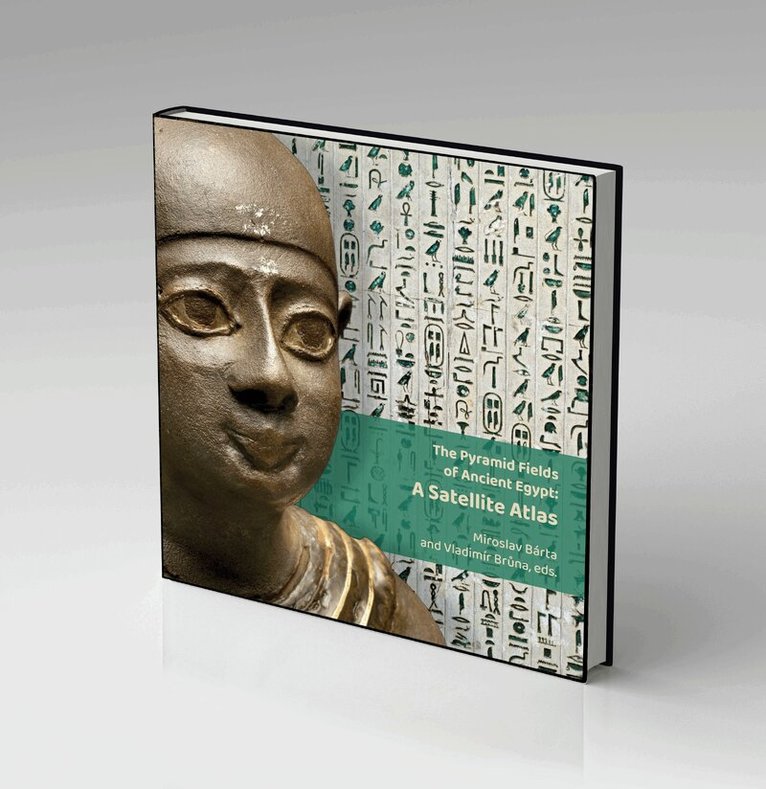
Pyramid Fields of Ancient Egypt: A Satellite Atlas
Av Miroslav Barta, Vladimír Brůna
Inbunden, 2022
2033 kr
Lägg i varukorg
This volume offers a valuable resource by compiling and interpreting high-resolution satellite images of all Old and Middle Kingdom pyramid sites in Egypt. The sites included in this Atlas represent to a large degree the principal sites of the third- through the thirteenth-Dynasty. Their particular …
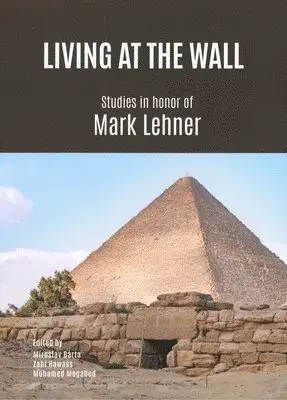
Living at the Wall
Studies in honor f Mark Lehner
Av Miroslav Bárta, Zahi Hawass m. fl.
Inbunden, 2024
1271 kr
Lägg i varukorg
This book was published in honor of renowned Egyptologist Mark Lehner. His journey into Egyptology began in 1973 when he came to Cairo as a Year-Abroad Student at the American University in Cairo. In 1976 he joined the Nag Hammadi Expedition. Since then, his fascination with the ancient Egypt led …
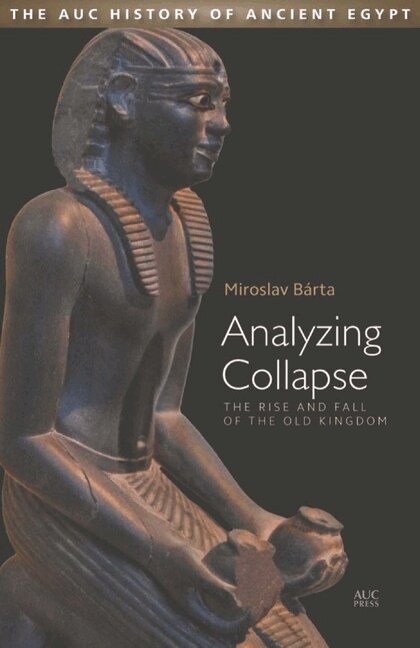
Analyzing Collapse
The Rise and Fall of the Old Kingdom
Av Miroslav Barta, Aidan Dodson
Inbunden, 2018
794 kr
Lägg i varukorg
This book explores the long-term trends in the development of what was the first complex civilization in history, the Old Kingdom of Egypt (c. 2650–2200 BC), the period that saw the construction of eternal monuments such as Djoser’s Step Pyramid complex in Saqqara, the pyramids of the great Fourth …
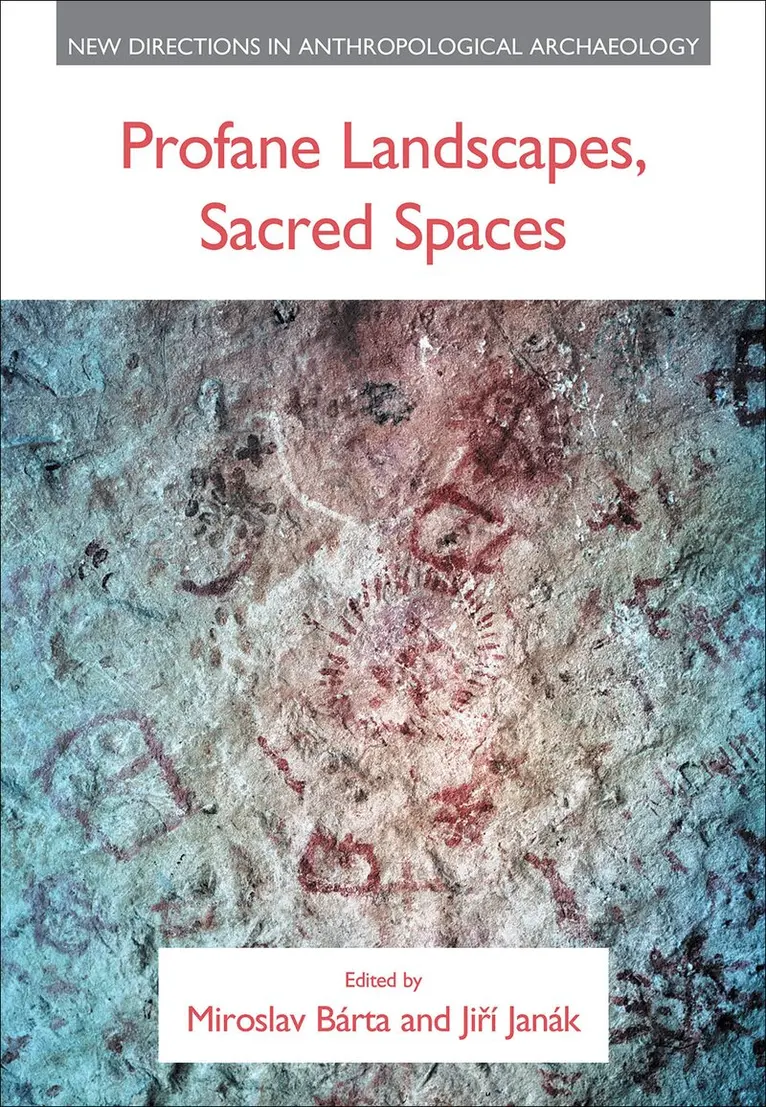
Profane Landscapes, Sacred Spaces
Inbunden, 2020
903 kr
Tillfälligt slut
Ever since Herodotus, it has been observed that Egypt - that is, ancient Egyptian civilisation - was a gift of the Nile. However, only recently have Egyptologists come to appreciate that Egypt was as much a gift of the desert as a gift of the water, at least as regards its very beginnings. To …
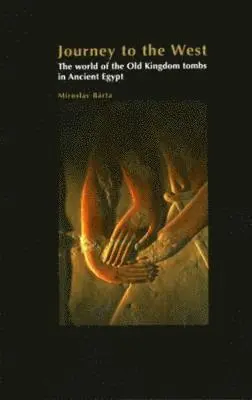
Journey to the West
Häftad, 2012
746 kr
Tillfälligt slut
This book is intended as a commented summary of some of the major trends and most important features that can be encountered when analysing ancient Egyptian society of the Old Kingdom. We have to bear in mind that around 3000 BCE one of the first centralised states in our recorded history rose, and …
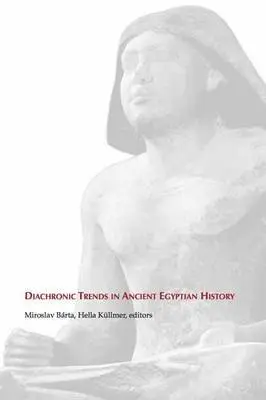
Diachronic Trends in Ancient Egyptian History
Studies dedicated to the memory of Eva Pardey
Av Miroslav Barta, Hella Küllmer
Häftad, 2013
961 kr
Tillfälligt slut
The book includes contributions of the following authors: Hartwig Altenmüller, Ladislav Bareš, Miroslav Bárta, Andreas Effland, Martin Fitzenreiter, Hans Goedicke, Peter Jánosi, Dieter Kurth, Christian Loeben, Juan Carlos Moreno García, Jana Mynářová, Anthony Spalinger, Miroslav Verner, Hana …
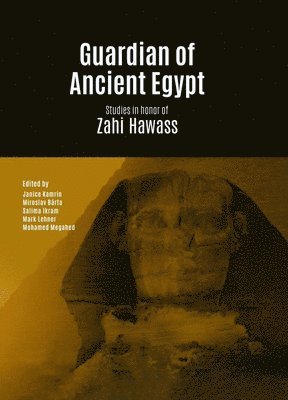
Guardian of Ancient Egypt
Studies in honor of Zahi Hawass (3 volume set)
Av Janice Kamrin, Miroslav Barta m. fl.
Inbunden, 2021
4033 kr
Tillfälligt slut
To the Studies in Honor of Zahi Hawass contributed more than 100 authors. These 3 vols. edited 5 Egyptologists, preface wrote Khaled el-Enany, Minister of Tourism and Antiquities in Egypt. Dr. Zahi Hawass is the most famous Egyptologist in the world. He is much more than his public persona, as the …