Miroslav Melčák – författare
Visar alla böcker från författaren Miroslav Melčák. Handla med fri frakt och snabb leverans.
5 produkter
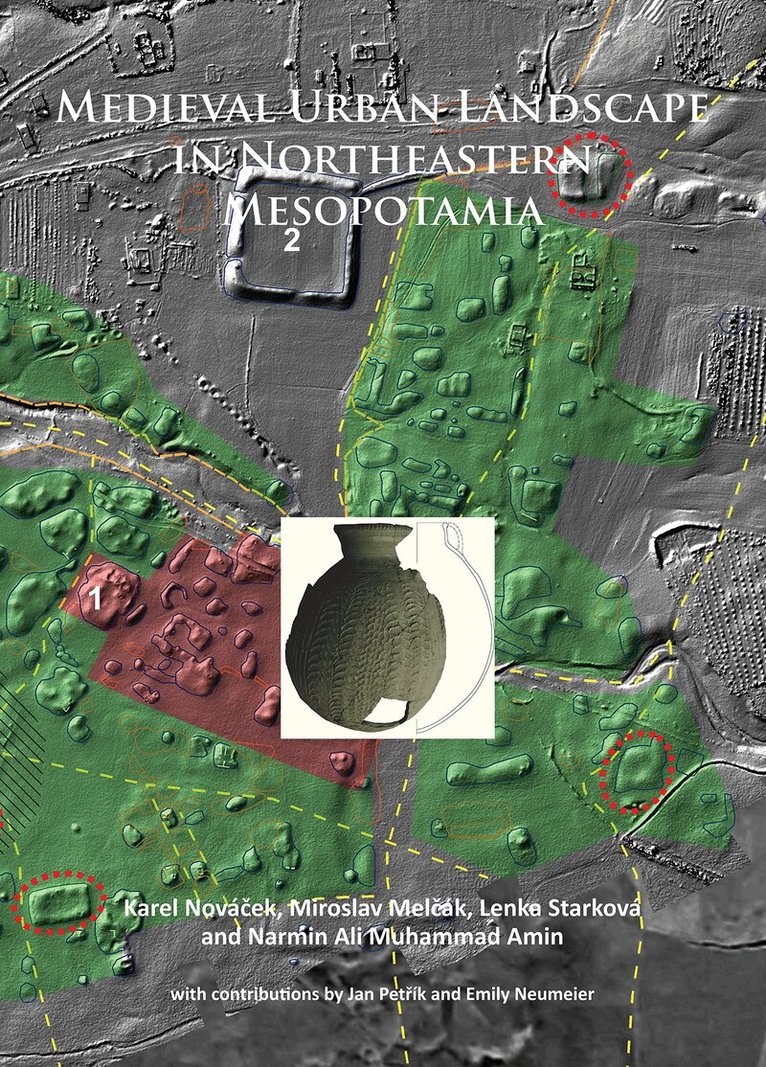
Medieval Urban Landscape in Northeastern Mesopotamia
Av Karel Nováček, Miroslav Melčák m. fl.
Häftad, 2017
592 kr
Lägg i varukorg
More than fifteen sites of either confirmed or conjectured urban status existed between the 6th and 19th centuries in the particular region of northeastern Mesopotamia, bounded by the rivers Great Zāb, Little Zāb and Tigris. This present study concentrates on the investigation of this urban …
Medieval Urban Landscape in Northeastern Mesopotamia
Av Lenka Starkova, Miroslav Melcak m. fl.
E-bok, 2017
235 kr
Lägg i varukorg
More than fifteen sites of either confirmed or conjectured urban status existed between the 6th and 19th centuries in the particular region of northeastern Mesopotamia, bounded by the rivers Great Zāb, Little Zāb and Tigris. This present study concentrates on the investigation of this urban …
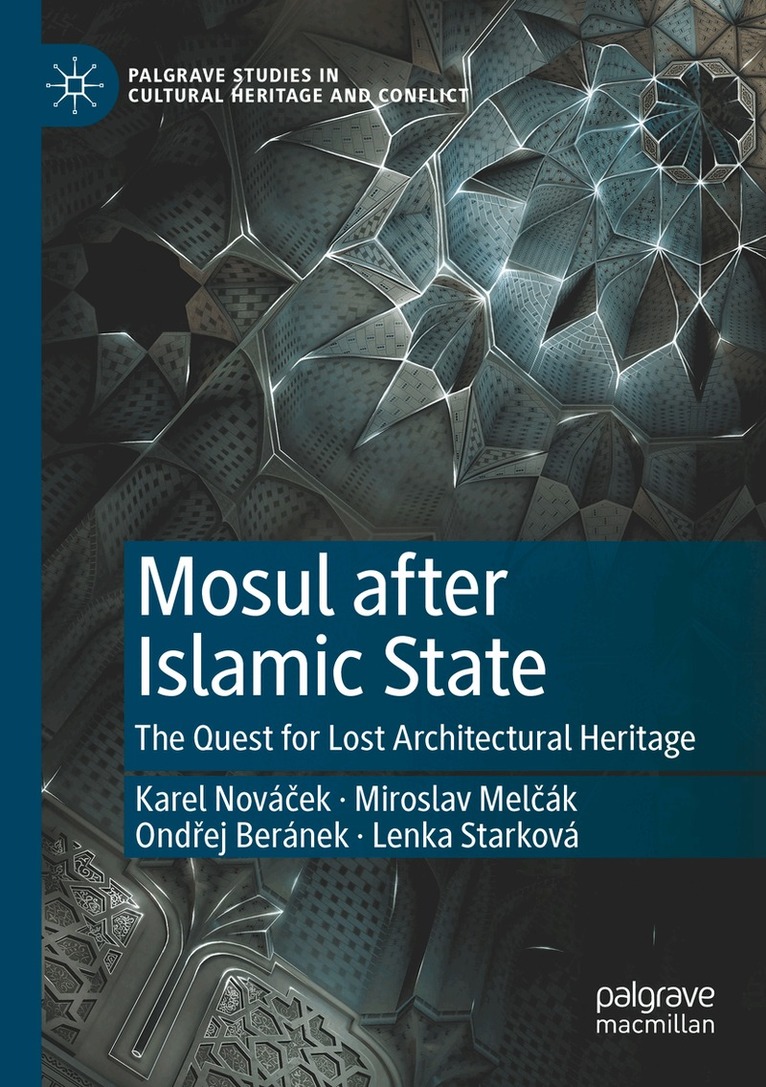
Mosul after Islamic State
The Quest for Lost Architectural Heritage
Av Karel Nováček, Miroslav Melčák m. fl.
Inbunden, 2021
857 kr
Lägg i varukorg
The book examines the destruction of the architectural heritage in Mosul perpetrated by Islamic State between 2014 and 2017. It identifies which structures were attacked, the ideological rationale behind the destruction, and the significance of the lost monuments in the context of Mosul’s urban …
Mosul after Islamic State
The Quest for Lost Architectural Heritage
Av Lenka Starkova, Ondrej Beranek m. fl.
E-bok, 2021
1459 kr
Lägg i varukorg
The book examines the destruction of the architectural heritage in Mosul perpetrated by Islamic State between 2014 and 2017. It identifies which structures were attacked, the ideological rationale behind the destruction, and the significance of the lost monuments in the context of Mosul’s urban …
Mosul after Islamic State
The Quest for Lost Architectural Heritage
Av Karel Nováček, Miroslav Melčák m. fl.
Häftad, 2022
938 kr
Lägg i varukorg
The book examines the destruction of the architectural heritage in Mosul perpetrated by Islamic State between 2014 and 2017. It identifies which structures were attacked, the ideological rationale behind the destruction, and the significance of the lost monuments in the context of Mosul’s urban …