Mita Marra – författare
Visar alla böcker från författaren Mita Marra. Handla med fri frakt och snabb leverans.
8 produkter
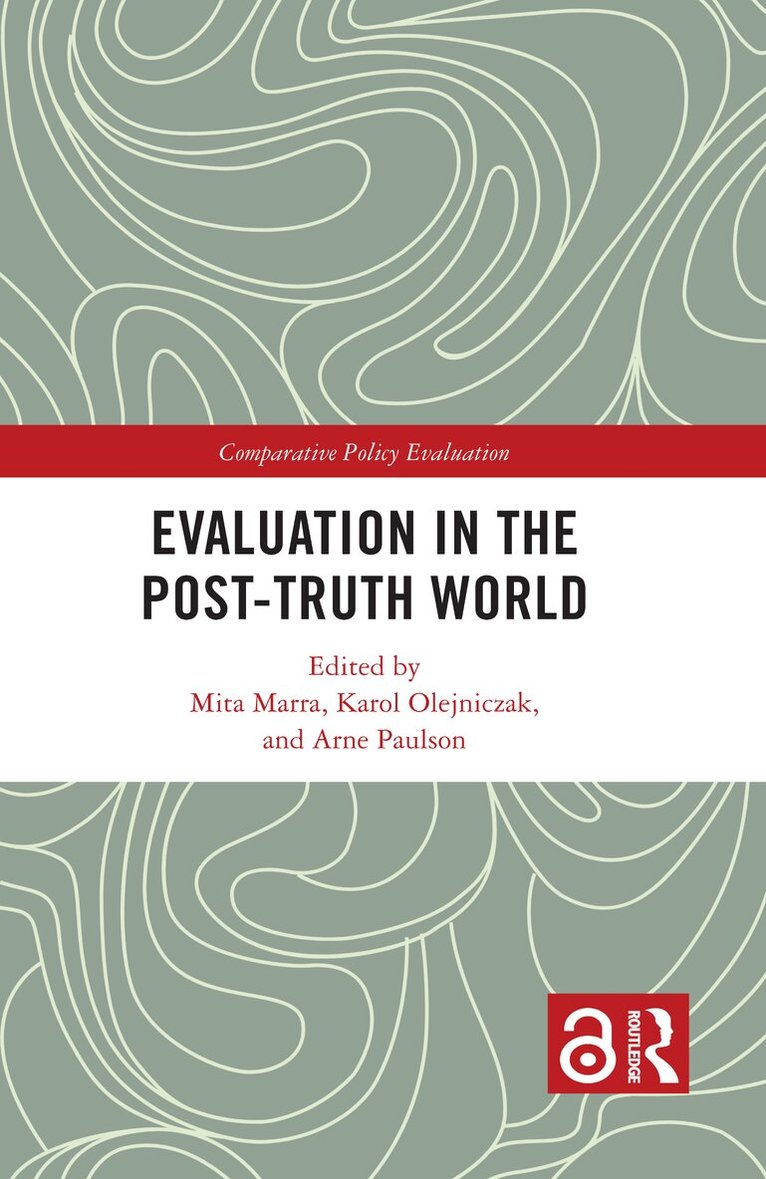
Evaluation in the Post-Truth World
Av Mita Marra, Karol Olejniczak m. fl.
Inbunden, 2024
2512 kr
Lägg i varukorg
Evaluation in the Post-Truth World explores the relationship between the nature of evaluative knowledge, the increasing demand in decision-making for evaluation and other forms of research evidence, and the post-truth phenomena of antiscience sentiments combined with illiberal tendencies of the …
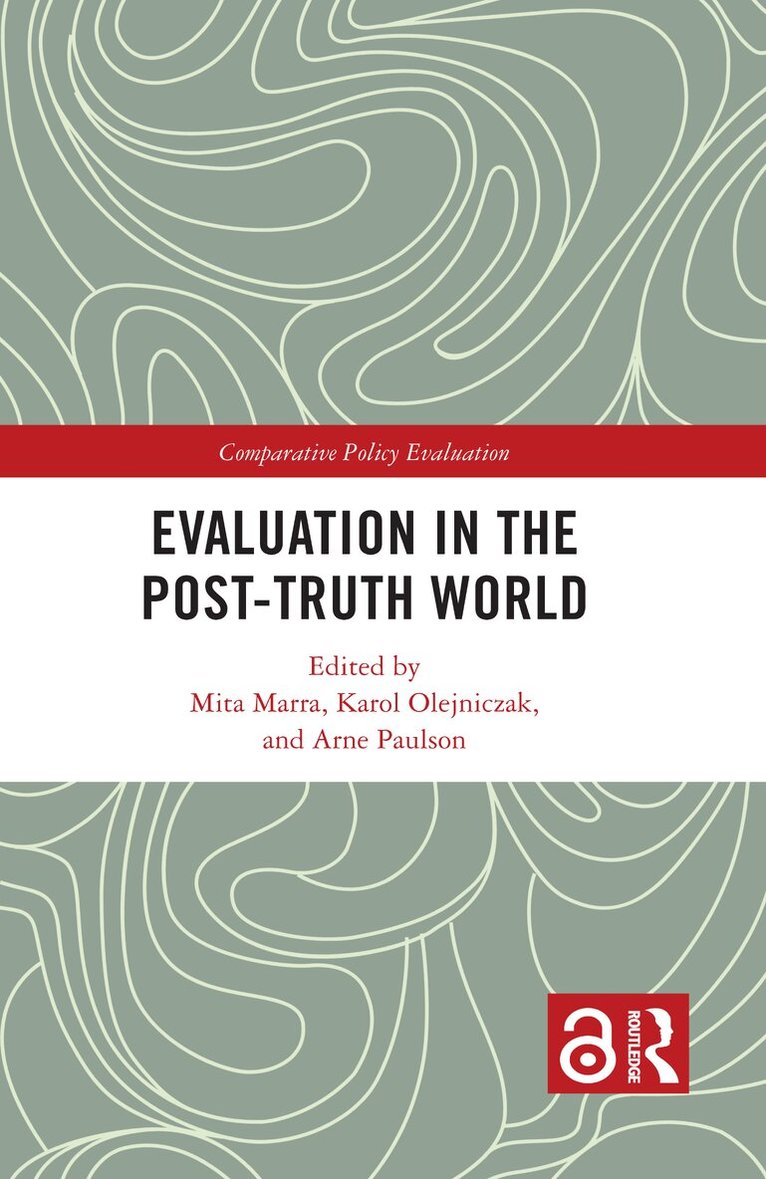
Evaluation in the Post-Truth World
Av Mita Marra, Karol Olejniczak m. fl.
Häftad, 2025
706 kr
Lägg i varukorg
Evaluation in the Post-Truth World explores the relationship between the nature of evaluative knowledge, the increasing demand in decision-making for evaluation and other forms of research evidence, and the post-truth phenomena of antiscience sentiments combined with illiberal tendencies of the …
Evaluation in the Post-Truth World
Av Arne Paulson, Karol Olejniczak m. fl.
E-bok, 2024
729 kr
Lägg i varukorg
Evaluation in the Post-Truth World explores the relationship between the nature of evaluative knowledge, the increasing demand in decision-making for evaluation and other forms of research evidence, and the post-truth phenomena of antiscience sentiments combined with illiberal tendencies of the …
Evaluation in the Post-Truth World
Av Arne Paulson, Karol Olejniczak m. fl.
E-bok, 2024
745 kr
Lägg i varukorg
Evaluation in the Post-Truth World explores the relationship between the nature of evaluative knowledge, the increasing demand in decision-making for evaluation and other forms of research evidence, and the post-truth phenomena of antiscience sentiments combined with illiberal tendencies of the …
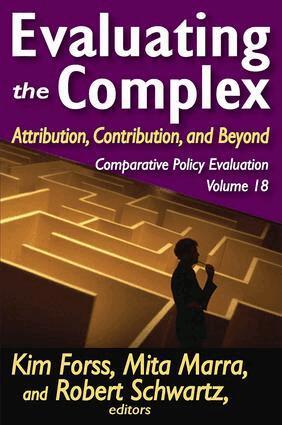
Evaluating the Complex
Attribution, Contribution and Beyond
Av Mita Marra, Kim Forss m. fl.
Häftad, 2017
924 kr
Lägg i varukorg
In the economic atmosphere following the crisis of 2008, not only have governments reacted by creating more complex policy initiatives, but they have also promised that all of these initiatives will be evaluated. Due to the complexity of many of the initiatives, the ways of evaluating are becoming …
Evaluating the Complex
Attribution, Contribution and Beyond
Av Mita Marra
E-bok, 2017
1091 kr
Lägg i varukorg
In the economic atmosphere following the crisis of 2008, not only have governments reacted by creating more complex policy initiatives, but they have also promised that all of these initiatives will be evaluated. Due to the complexity of many of the initiatives, the ways of evaluating are becoming …
Evaluating the Complex
Attribution, Contribution and Beyond
Av Mita Marra
E-bok, 2017
1091 kr
Lägg i varukorg
In the economic atmosphere following the crisis of 2008, not only have governments reacted by creating more complex policy initiatives, but they have also promised that all of these initiatives will be evaluated. Due to the complexity of many of the initiatives, the ways of evaluating are becoming …
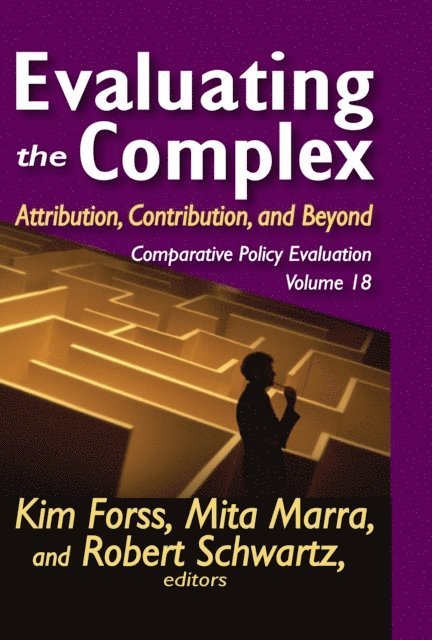
Evaluating the Complex
Attribution, Contribution and Beyond
Av Mita Marra, Kim Forss m. fl.
Inbunden, 2011
2504 kr
Lägg i varukorg
In the economic atmosphere following the crisis of 2008, not only have governments reacted by creating more complex policy initiatives, but they have also promised that all of these initiatives will be evaluated. Due to the complexity of many of the initiatives, the ways of evaluating are becoming …