Miyume Tanji – författare
Visar alla böcker från författaren Miyume Tanji. Handla med fri frakt och snabb leverans.
7 produkter
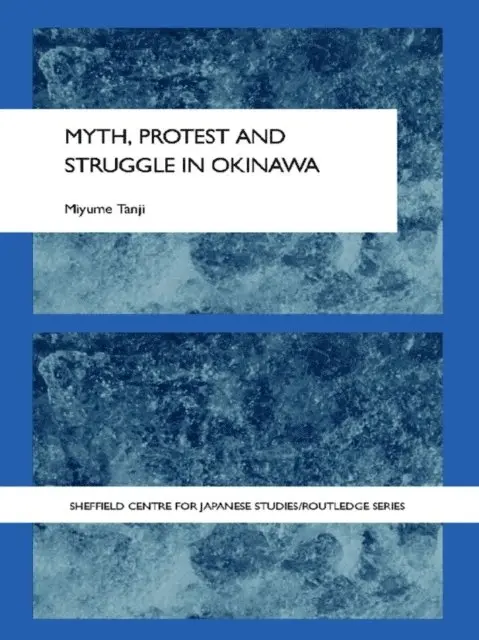
Myth, Protest and Struggle in Okinawa
Av Miyume Tanji
Inbunden, 2006
2820 kr
Lägg i varukorg
Okinawan people have developed a unique tradition of protest in their long history of oppression and marginalization. Beginning with the Ryukyu Kingdom’s annexation to Japan in the late nineteenth century, Miyume Tanji charts the devastation caused by the Second World War, followed by the direct …
Myth, Protest and Struggle in Okinawa
Av Miyume Tanji
Häftad, 2009
770 kr
Lägg i varukorg
Okinawan people have developed a unique tradition of protest in their long history of oppression and marginalization. Beginning with the Ryukyu Kingdom’s annexation to Japan in the late nineteenth century, Miyume Tanji charts the devastation caused by the Second World War, followed by the direct …
Myth, Protest and Struggle in Okinawa
Av Miyume Tanji
E-bok, 2007
910 kr
Lägg i varukorg
Okinawan people have developed a unique tradition of protest in their long history of oppression and marginalization. Beginning with the Ryukyu Kingdom’s annexation to Japan in the late nineteenth century, Miyume Tanji charts the devastation caused by the Second World War, followed by the direct …
Myth, Protest and Struggle in Okinawa
Av Miyume Tanji
E-bok, 2007
910 kr
Lägg i varukorg
Okinawan people have developed a unique tradition of protest in their long history of oppression and marginalization. Beginning with the Ryukyu Kingdom’s annexation to Japan in the late nineteenth century, Miyume Tanji charts the devastation caused by the Second World War, followed by the direct …
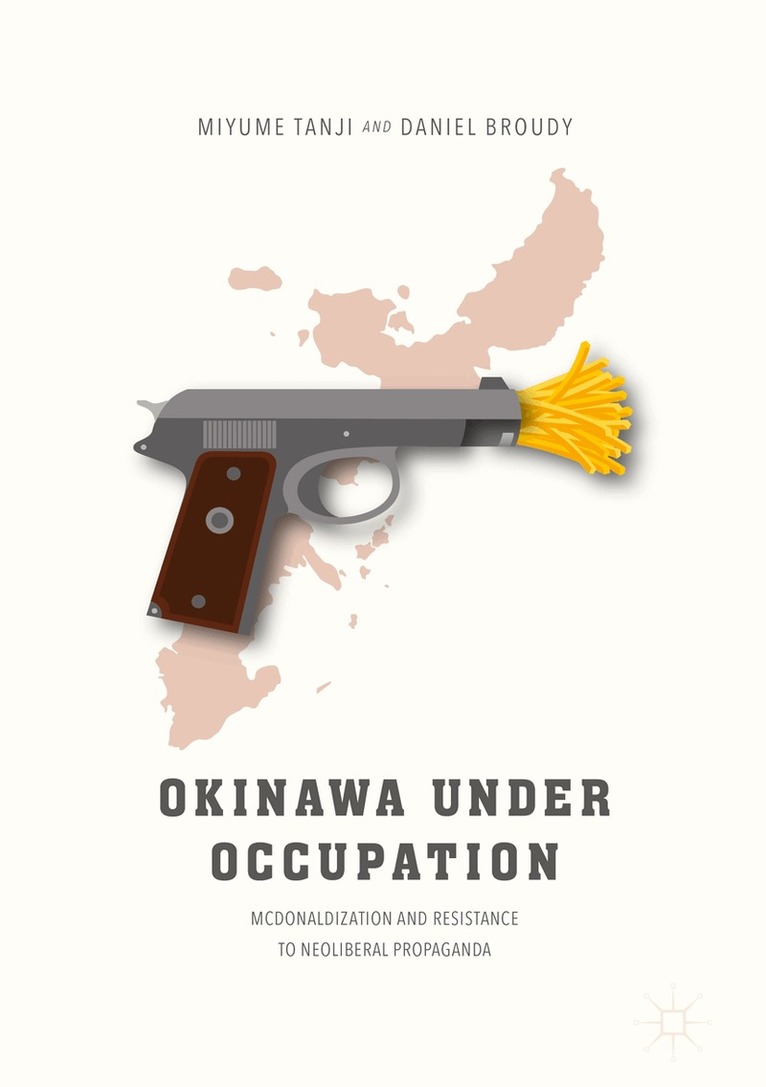
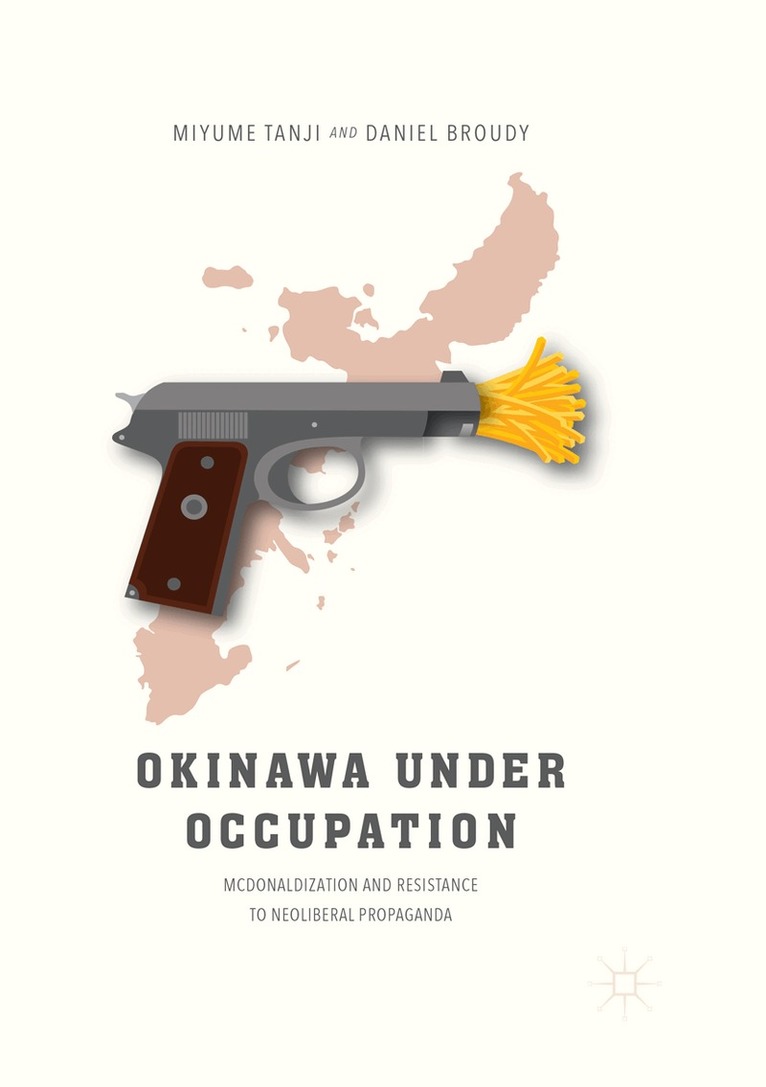
Okinawa Under Occupation
McDonaldization and Resistance to Neoliberal Propaganda
Av Miyume Tanji, Daniel Broudy
Inbunden, 2017
1093 kr
Lägg i varukorg
This book examines classical and modern interpretations of education in the context of contemporary Okinawa as a site of neoliberal military-industrial development. Considering how media educate consumers to accept the plans and policies of the powerful, it questions current concepts of development …
Okinawa Under Occupation
McDonaldization and Resistance to Neoliberal Propaganda
Av Daniel Broudy, Miyume Tanji
E-bok, 2017
1459 kr
Lägg i varukorg
This book examines classical and modern interpretations of education in the context of contemporary Okinawa as a site of neoliberal military-industrial development. Considering how media educate consumers to accept the plans and policies of the powerful, it questions current concepts of development …
Okinawa Under Occupation
McDonaldization and Resistance to Neoliberal Propaganda
Av Miyume Tanji, Daniel Broudy
Häftad, 2018
1093 kr
Lägg i varukorg
This book examines classical and modern interpretations of education in the context of contemporary Okinawa as a site of neoliberal military-industrial development. Considering how media educate consumers to accept the plans and policies of the powerful, it questions current concepts of development …