Moe Toghraei – författare
1 659 kr
Skickas inom 5-8 vardagar
1 614 kr
Skickas inom 10-15 vardagar
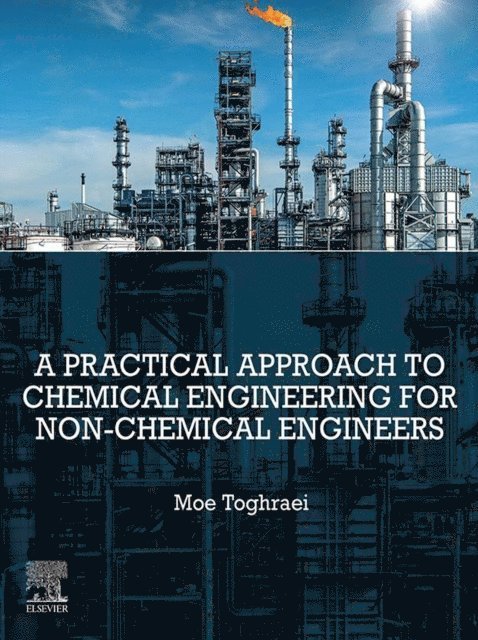
A Practical Approach to Chemical Engineering for Non-Chemical Engineers is aimed at people who are dealing with chemical engineers or those who are involved in chemical processing plants. The book demystifies complicated chemical engineering concepts through daily life examples and analogies. It contains many illustrations and tables that facilitate quick and in-depth understanding of the concepts handled in the book. By studying this book, practicing engineers (non-chemical), professionals, technicians and other skilled workers will gain a deeper understanding of what chemical engineers say and ask for.
The book is also useful for engineering students who plan to get into chemical engineering and want to know more on the topic and any related jargon.
Provides numerous graphs, images, sketches, tables, help better understanding of concepts in a visual way Describes complicated chemical engineering concepts by daily life examples and analogies, rather than by formula Includes a virtual tour of an imaginary process plant Explains the majority of units in chemical engineering2 261 kr
Läs direkt efter köp
1 930 kr
Läs direkt efter köp
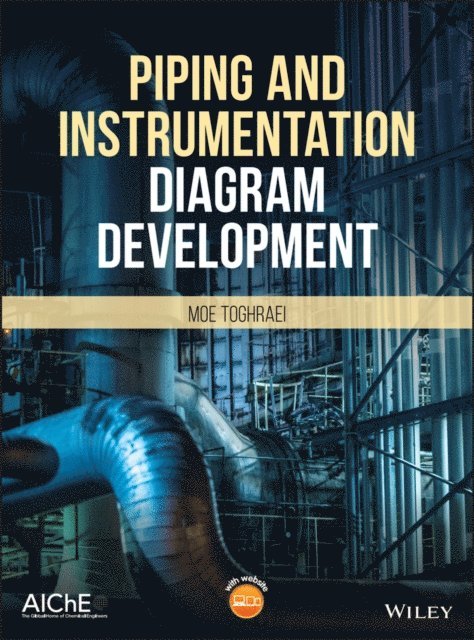
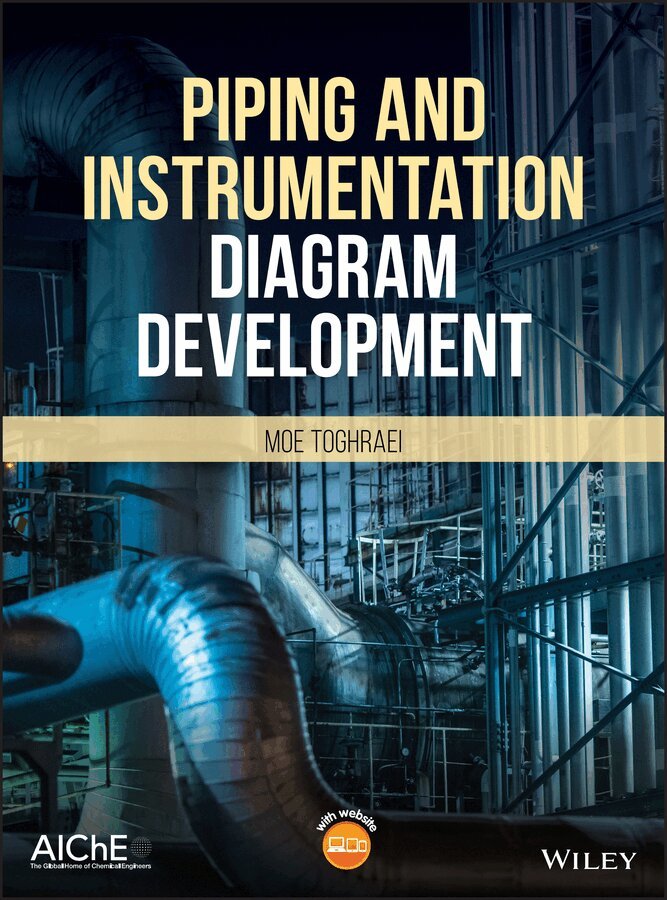
An essential guide for developing and interpreting piping and instrumentation drawings
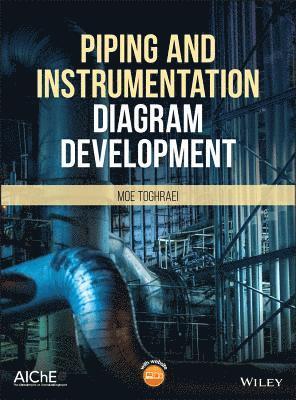
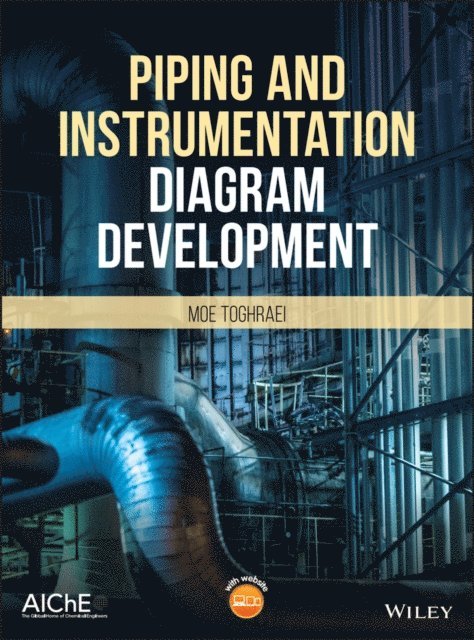
Piping and Instrumentation Diagram Development is an important resource that offers the fundamental information needed for designers of process plants as well as a guide for other interested professionals. The author offers a proven, systemic approach to present the concepts of P&ID development which previously were deemed to be graspable only during practicing and not through training.
This comprehensive text offers the information needed in order to create P&ID for a variety of chemical industries such as: oil and gas industries; water and wastewater treatment industries; and food industries. The author outlines the basic development rules of piping and instrumentation diagram (P&ID) and describes in detail the three main components of a process plant: equipment and other process items, control system, and utility system. Each step of the way, the text explores the skills needed to excel at P&ID, includes a wealth of illustrative examples, and describes the most effective practices.
This vital resource:
Offers a comprehensive resource that outlines a step-by-step guide for developing piping and instrumentation diagrams Includes helpful learning objectives and problem sets that are based on real-life examples Provides a wide range of original engineering flow drawing (P&ID) samples Includes PDF’s that contain notes explaining the reason for each piece on a P&ID and additional samples to help the reader create their own P&IDsWritten for chemical engineers, mechanical engineers and other technical practitioners, Piping and Instrumentation Diagram Development reveals the fundamental steps needed for creating accurate blueprints that are the key elements for the design, operation, and maintenance of process industries.
2 153 kr
Läs direkt efter köp
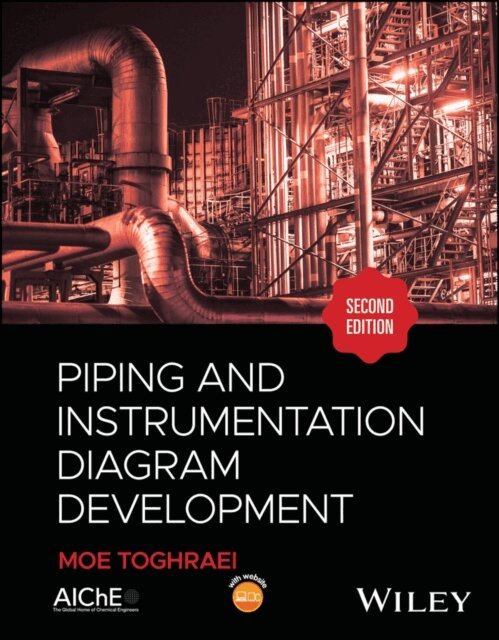
An essential guide for developing and interpreting piping and instrumentation drawings
Piping and Instrumentation Diagram Development is an important resource that offers the fundamental information needed for designers of process plants as well as a guide for other interested professionals. The author offers a proven, systemic approach to present the concepts of P&ID development which previously were deemed to be graspable only during practicing and not through training.
This comprehensive text offers the information needed in order to create P&ID for a variety of chemical industries such as: oil and gas industries; water and wastewater treatment industries; and food industries. The author outlines the basic development rules of piping and instrumentation diagram (P&ID) and describes in detail the three main components of a process plant: equipment and other process items, control system, and utility system. Each step of the way, the text explores the skills needed to excel at P&ID, includes a wealth of illustrative examples, and describes the most effective practices.
This vital resource:
Offers a comprehensive resource that outlines a step-by-step guide for developing piping and instrumentation diagrams Includes helpful learning objectives and problem sets that are based on real-life examples Provides a wide range of original engineering flow drawing (P&ID) samples Includes PDF’s that contain notes explaining the reason for each piece on a P&ID and additional samples to help the reader create their own P&IDsWritten for chemical engineers, mechanical engineers and other technical practitioners, Piping and Instrumentation Diagram Development reveals the fundamental steps needed for creating accurate blueprints that are the key elements for the design, operation, and maintenance of process industries.
2 001 kr
Kommande
1 677 kr
Läs direkt efter köp
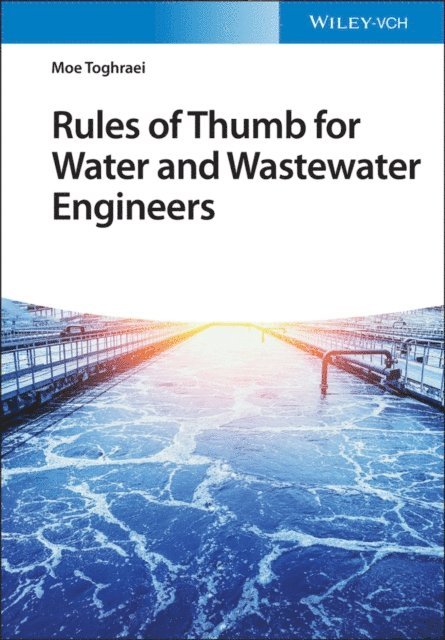
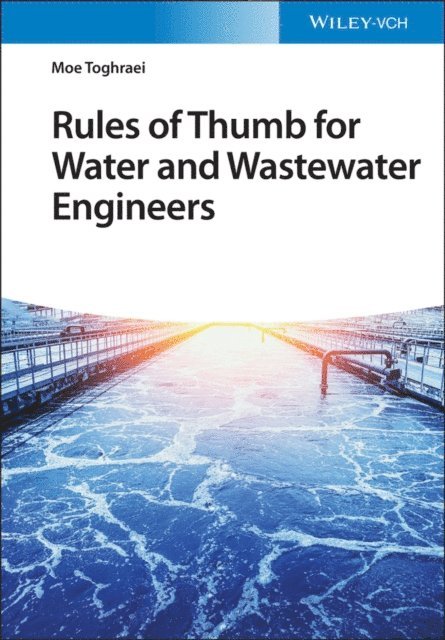
A unique resource that helps water engineers make quick evaluations and estimate design decisions
Water and wastewater treatment are essential processes in the water economy and as such, vital to the health and success of any community. At its core, the essence of this process is converting one analysis (source water, which can come from wells, lakes, sea, wastewater or even treated wastewater) into goal water. The process is generally separated by industrial and municipal processes according to intention of the produced water.
Relying on a contaminant-classified approach, Rules of Thumb for Water and Wastewater Engineers provides engineers with the necessary skills to ascertain the best methodology for a broad range of impurities in an H2O source. Within these bounds, the manual offers guidelines for important areas of management: potable water treatment, municipal wastewater treatment, industrial water treatment, and industrial wastewater treatment. As the first step to water treatment is to identify both consumers and contaminants, this program gives engineers a resource to easily reference the appropriate chapter for a given contaminant, and thereby evaluate situations quickly and estimate design decisions at a glance before a more detailed approach is taken.
Rules of Thumb for Water and Wastewater Engineers readers will also find:
Tools that provide quick way to evaluate a situation and make quick decisions Two chapters on removing dissolved materials, a complex topic that deserves much attention Rules of thumb developed over the course of over 20 years of experience by the author Illustrations and figures to help elucidate points made throughout the textRules of Thumb for Water and Wastewater Engineers is a useful reference for environmental engineers, chemical engineers, municipal engineers, chemists, and industries including the paper and food industry.
1 619 kr
Läs direkt efter köp
A unique resource that helps water engineers make quick evaluations and estimate design decisions
Water and wastewater treatment are essential processes in the water economy and as such, vital to the health and success of any community. At its core, the essence of this process is converting one analysis (source water, which can come from wells, lakes, sea, wastewater or even treated wastewater) into goal water. The process is generally separated by industrial and municipal processes according to intention of the produced water.
Relying on a contaminant-classified approach, Rules of Thumb for Water and Wastewater Engineers provides engineers with the necessary skills to ascertain the best methodology for a broad range of impurities in an H2O source. Within these bounds, the manual offers guidelines for important areas of management: potable water treatment, municipal wastewater treatment, industrial water treatment, and industrial wastewater treatment. As the first step to water treatment is to identify both consumers and contaminants, this program gives engineers a resource to easily reference the appropriate chapter for a given contaminant, and thereby evaluate situations quickly and estimate design decisions at a glance before a more detailed approach is taken.
Rules of Thumb for Water and Wastewater Engineers readers will also find:
Tools that provide quick way to evaluate a situation and make quick decisions Two chapters on removing dissolved materials, a complex topic that deserves much attention Rules of thumb developed over the course of over 20 years of experience by the author Illustrations and figures to help elucidate points made throughout the textRules of Thumb for Water and Wastewater Engineers is a useful reference for environmental engineers, chemical engineers, municipal engineers, chemists, and industries including the paper and food industry.