Mohammad Dawood Sofi – författare
Visar alla böcker från författaren Mohammad Dawood Sofi. Handla med fri frakt och snabb leverans.
6 produkter
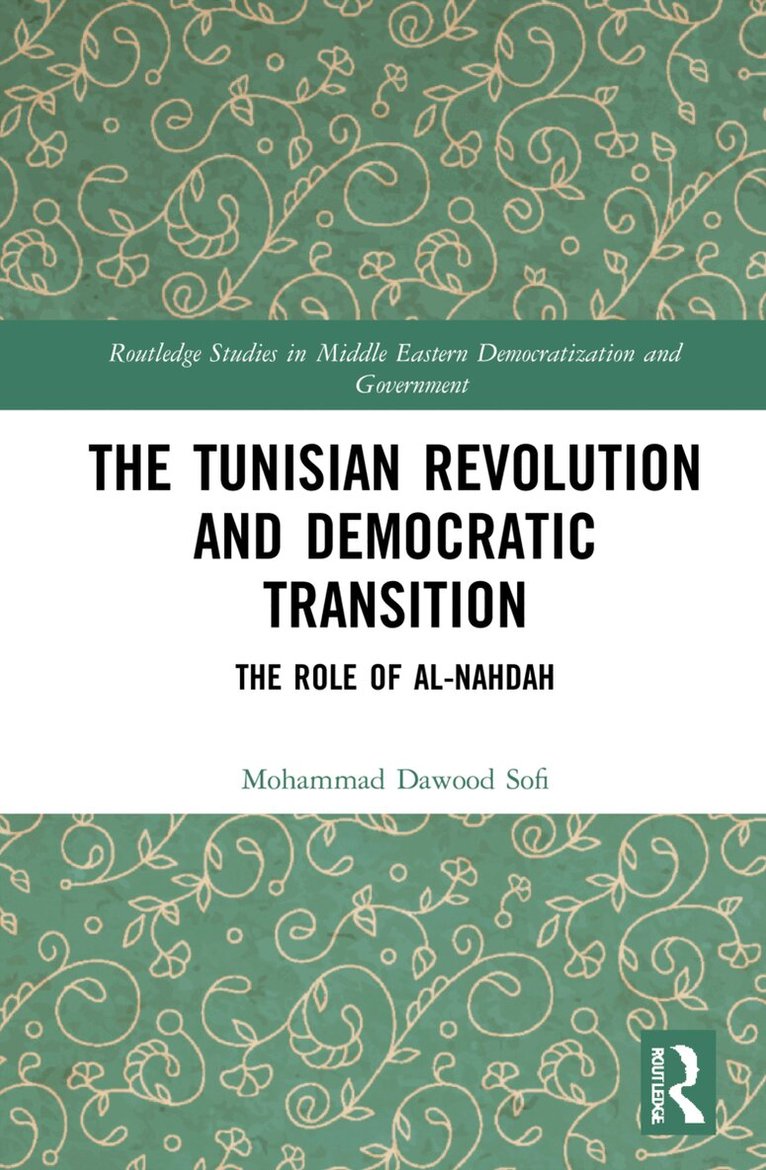
Tunisian Revolution and Democratic Transition
The Role of al-Nahdah
Inbunden, 2021
2504 kr
Lägg i varukorg
Drawing on the history of post-independence Tunisia, the book studies the evolution of al-Nahḍah as a political party in Tunisia and its role in a protracted struggle to shape the post-authoritarian order along democratic lines. It explores al-Nahḍah's relationship with the Tunisian state, society …
Tunisian Revolution and Democratic Transition
The Role of al-Nahdah
Häftad, 2023
689 kr
Lägg i varukorg
Drawing on the history of post-independence Tunisia, the book studies the evolution of al-Nahḍah as a political party in Tunisia and its role in a protracted struggle to shape the post-authoritarian order along democratic lines. It explores al-Nahḍah's relationship with the Tunisian state, society …
Tunisian Revolution and Democratic Transition
The Role of al-Nahdah
E-bok, 2021
814 kr
Lägg i varukorg
Drawing on the history of post-independence Tunisia, the book studies the evolution of al-Nahḍah as a political party in Tunisia and its role in a protracted struggle to shape the post-authoritarian order along democratic lines. It explores al-Nahḍah ''s relationship with the Tunisian state, …
Tunisian Revolution and Democratic Transition
The Role of al-Nahdah
E-bok, 2021
796 kr
Lägg i varukorg
Drawing on the history of post-independence Tunisia, the book studies the evolution of al-Nahḍah as a political party in Tunisia and its role in a protracted struggle to shape the post-authoritarian order along democratic lines. It explores al-Nahḍah ''s relationship with the Tunisian state, …
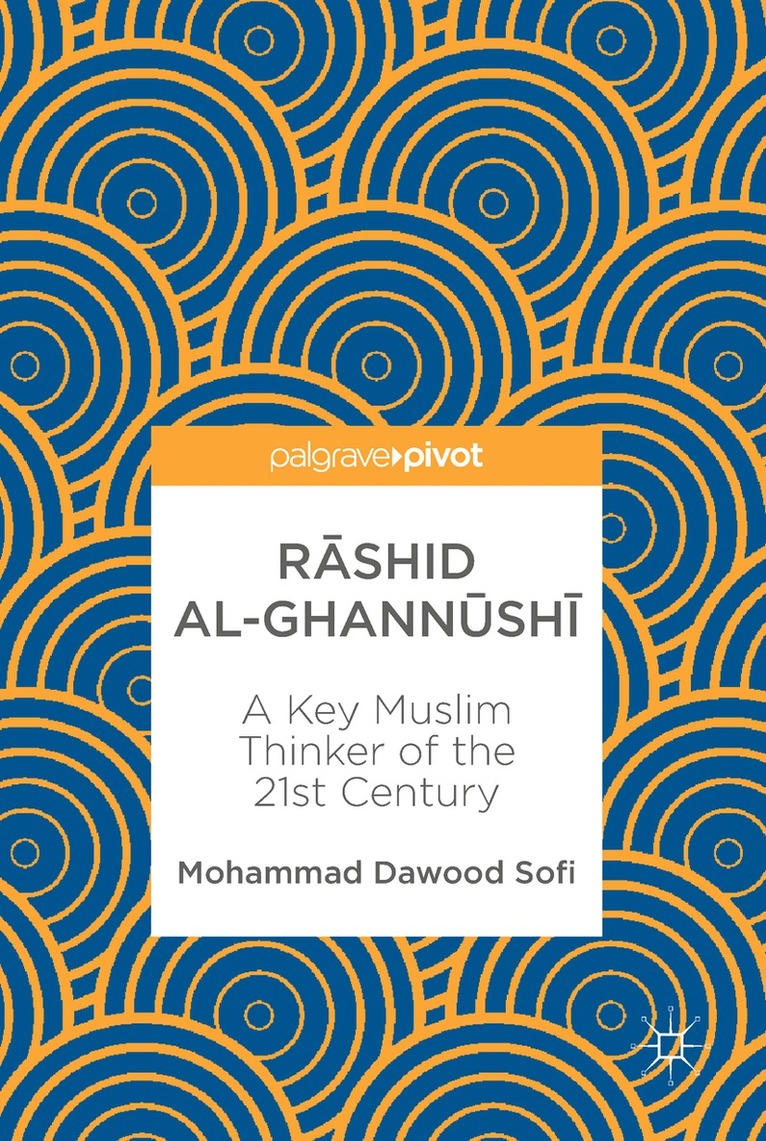
Rāshid al-Ghannūshi̇̄
A Key Muslim Thinker of the 21st Century
Inbunden, 2018
551 kr
Lägg i varukorg
This book discusses various dynamic facets of the life of Rāshid al-Ghannūshi̇̄, a distinguished Islamic thinker and activist not only in Tunisia and North Africa, but in the entire Muslim world. It especially focuses on those aspects related to his intellectual understanding and response to a …
Rashid al-Ghannushi
A Key Muslim Thinker of the 21st Century
E-bok, 2018
717 kr
Lägg i varukorg
This book discusses various dynamic facets of the life of Rāshid al-Ghannūshi̇̄, a distinguished Islamic thinker and activist not only in Tunisia and North Africa, but in the entire Muslim world. It especially focuses on those aspects related to his intellectual understanding and response to a …