Mohammad Shahabuddin – författare
2 444 kr
Skickas inom 10-15 vardagar
616 kr
Skickas inom 10-15 vardagar
727 kr
Läs direkt efter köp
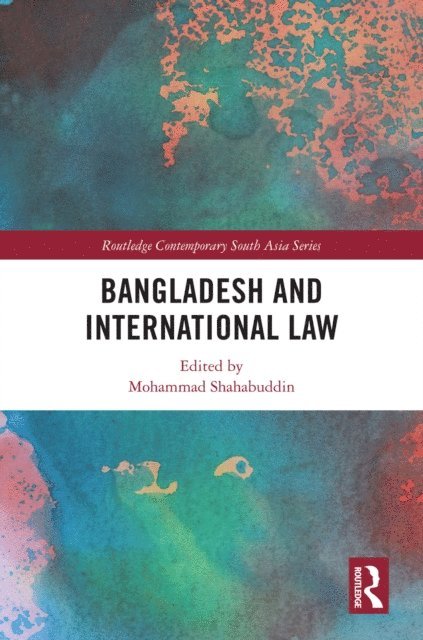
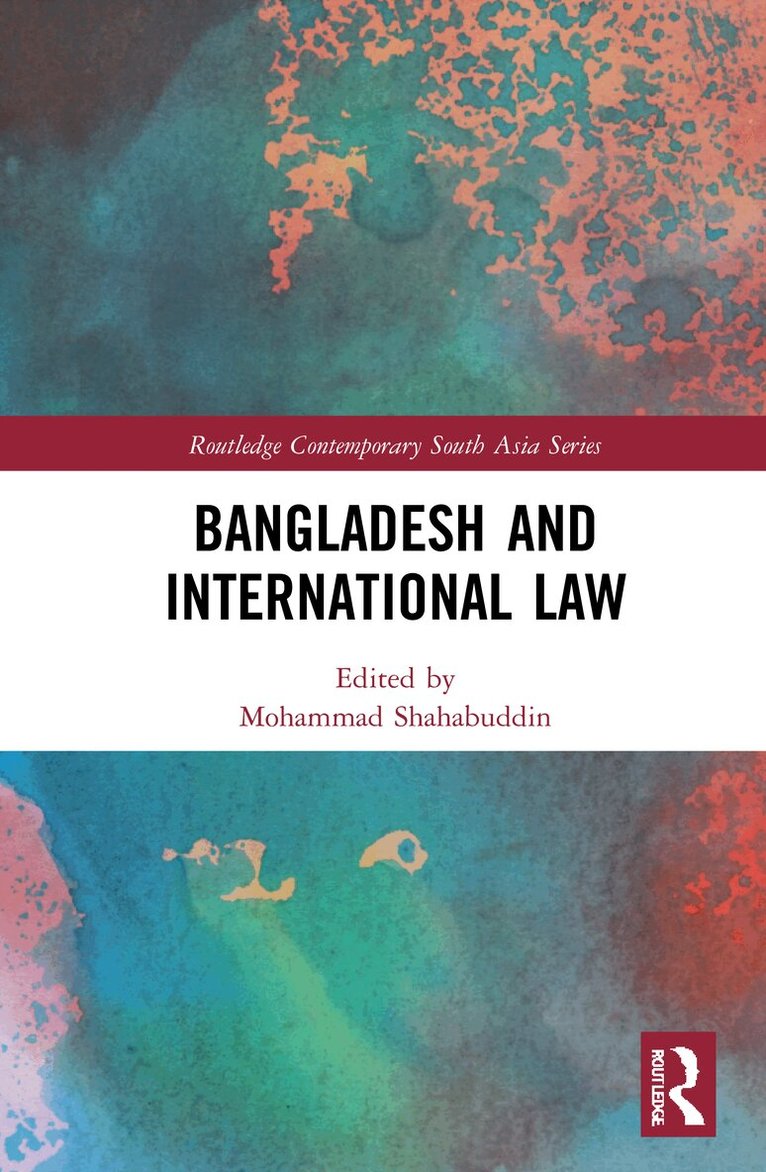
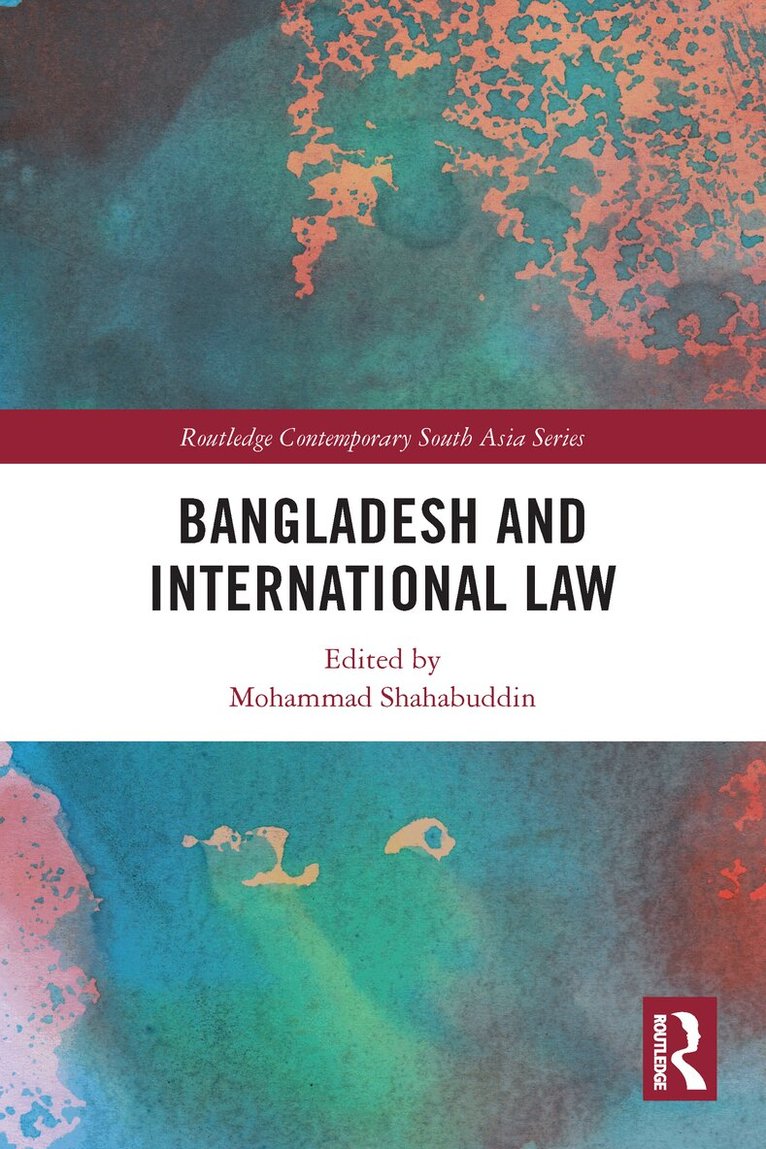
This book is the first-ever comprehensive analysis of international law from Global South perspectives with specific reference to Bangladesh.
The book not only sheds new light on classical international law concepts, such as statehood, citizenship, and self-determination, but also covers more current issues including Rohingya refugees, climate change, sustainable development, readymade garment workers and crimes against humanity. Written by area specialists, the book explores how international law shaped Bangladesh state practice over the last five decades; how Bangladesh in turn contributed to the development of international law; and the manner in which international law is also used as a hegemonic tool for marginalising less powerful countries like Bangladesh. By analysing stories of an ambivalent relationship between international law and post-colonial states, the book exposes the duality of international law as both a problem-solving tool and as a language of hegemony.
Despite its focus on Bangladesh, the book deals with the more general problem of post-colonial states’ problematic relationship with international law and so will be of interest to students and scholars of international law in general, as well as those interested in the Global South and South Asia in particular.
727 kr
Läs direkt efter köp
This book is the first-ever comprehensive analysis of international law from Global South perspectives with specific reference to Bangladesh.
The book not only sheds new light on classical international law concepts, such as statehood, citizenship, and self-determination, but also covers more current issues including Rohingya refugees, climate change, sustainable development, readymade garment workers and crimes against humanity. Written by area specialists, the book explores how international law shaped Bangladesh state practice over the last five decades; how Bangladesh in turn contributed to the development of international law; and the manner in which international law is also used as a hegemonic tool for marginalising less powerful countries like Bangladesh. By analysing stories of an ambivalent relationship between international law and post-colonial states, the book exposes the duality of international law as both a problem-solving tool and as a language of hegemony.
Despite its focus on Bangladesh, the book deals with the more general problem of post-colonial states’ problematic relationship with international law and so will be of interest to students and scholars of international law in general, as well as those interested in the Global South and South Asia in particular.
2 122 kr
Kommande
1 355 kr
Skickas inom 7-10 vardagar
427 kr
Skickas inom 7-10 vardagar
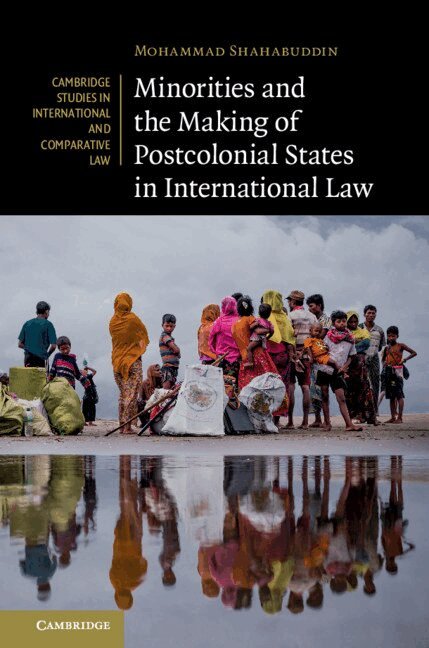
Minorities and the Making of Postcolonial States in International Law
1 355 kr
Skickas inom 7-10 vardagar
1 531 kr
Läs direkt efter köp
Minorities and the Making of Postcolonial States in International Law
534 kr
Kommande
1 587 kr
Läs direkt efter köp
544 kr
Skickas inom 5-8 vardagar
544 kr
Skickas inom 5-8 vardagar
525 kr
Skickas inom 5-8 vardagar
525 kr
Skickas inom 5-8 vardagar
544 kr
Skickas inom 5-8 vardagar
544 kr
Skickas inom 5-8 vardagar