Mona Kanwal Sheikh – författare
Visar alla böcker från författaren Mona Kanwal Sheikh. Handla med fri frakt och snabb leverans.
6 produkter
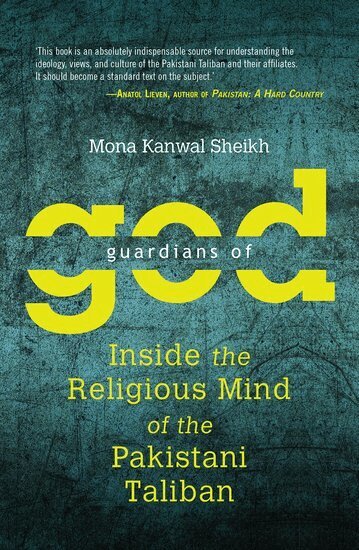
Guardians of God
Inside the Religious Mind of the Pakistani Taliban
Inbunden, 2016
264 kr
Lägg i varukorg
When Mona Kanwal Sheikh stepped into the volatile conflict zones of Pakistan to interview the Taliban, she encountered many challenging situations. Once, shortly after she declined to meet a militant at Islamabad's Marriott Hotel-a symbol of American dominance-a terrorist bomb targeted the hotel …
Entering Religious Minds
The Social Study of Worldviews
Av Mark Juergensmeyer, Mona Kanwal Sheikh
E-bok, 2019
746 kr
Lägg i varukorg
Led by Mona Kanwal Sheikh and Mark Juergensmeyer, nine authors journey into the worlds of unusual, sometimes violent religious groups. Together, these original first-person contributions provide an integrated, problem-solving approach to field research in religious extremism, illustrating …
Entering Religious Minds
The Social Study of Worldviews
Av Mark Juergensmeyer, Mona Kanwal Sheikh
E-bok, 2019
746 kr
Lägg i varukorg
Led by Mona Kanwal Sheikh and Mark Juergensmeyer, nine authors journey into the worlds of unusual, sometimes violent religious groups. Together, these original first-person contributions provide an integrated, problem-solving approach to field research in religious extremism, illustrating …
How the Taliban Regained Power in Afghanistan
Av Mona Kanwal Sheikh, Jan Werner Mathiasen m. fl.
Inbunden, 2026
2588 kr
Lägg i varukorg
This book examines how the Taliban were able to regain power in Afghanistan in 2021, some 20 years after the US intervention.The volume presents an analysis of the factors that contributed to the Taliban’s ability to seize power following the withdrawal of the international coalition in August …
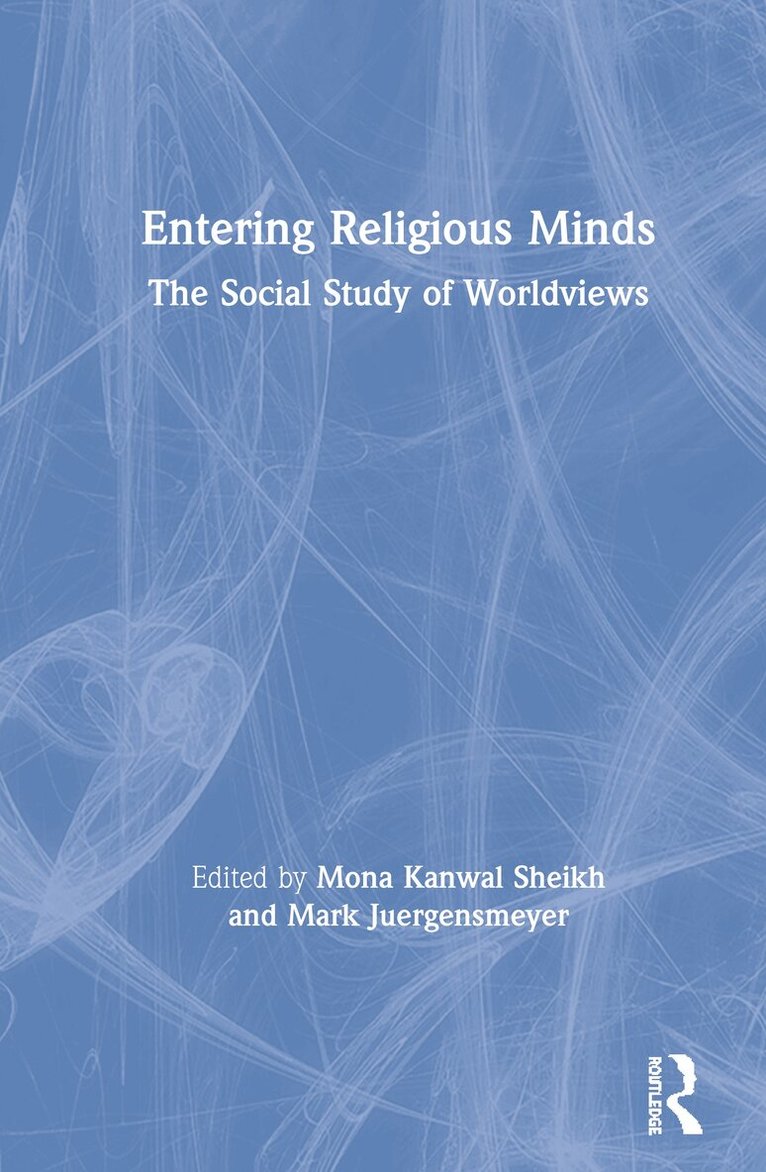
Entering Religious Minds
The Social Study of Worldviews
Av Mona Kanwal Sheikh, Mark Juergensmeyer
Inbunden, 2019
2510 kr
Lägg i varukorg
Led by Mona Kanwal Sheikh and Mark Juergensmeyer, nine authors journey into the worlds of unusual, sometimes violent religious groups. Together, these original first-person contributions provide an integrated, problem-solving approach to field research in religious extremism, illustrating …
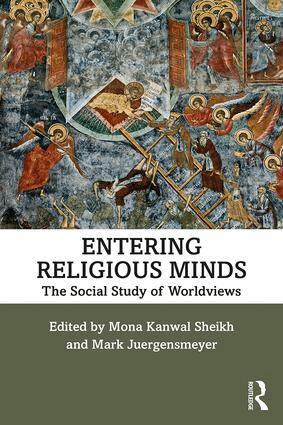
Entering Religious Minds
The Social Study of Worldviews
Av Mona Kanwal Sheikh, Mark Juergensmeyer
Häftad, 2019
647 kr
Lägg i varukorg
Led by Mona Kanwal Sheikh and Mark Juergensmeyer, nine authors journey into the worlds of unusual, sometimes violent religious groups. Together, these original first-person contributions provide an integrated, problem-solving approach to field research in religious extremism, illustrating …