Monica Luci - Böcker
Visar alla böcker från författaren Monica Luci. Handla med fri frakt och snabb leverans.
8 produkter
8 produkter
731 kr
Skickas inom 10-15 vardagar
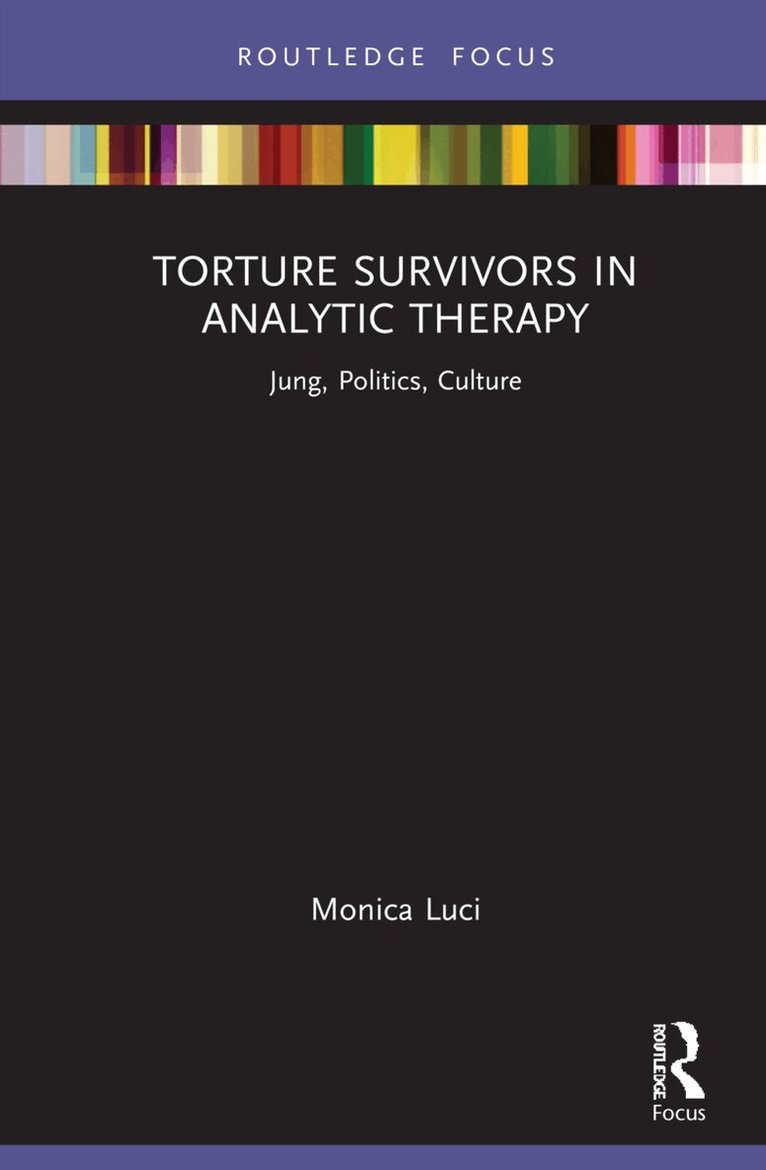
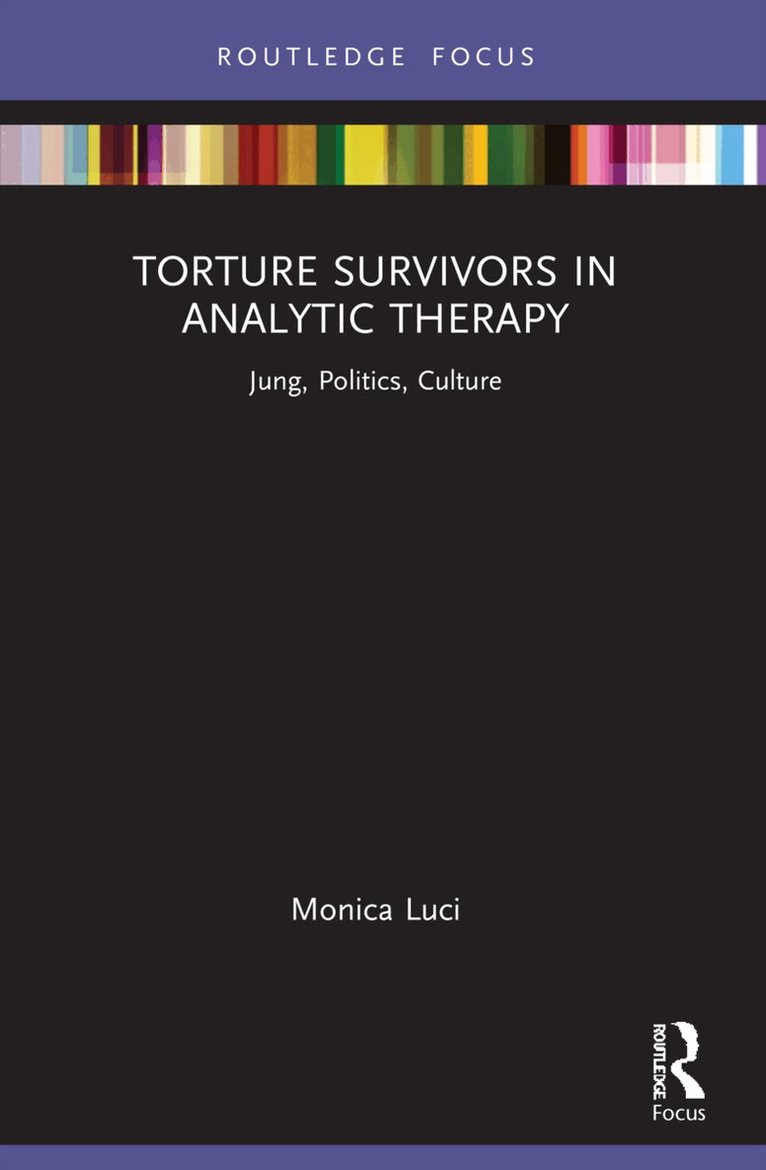
This important new book introduces and discusses the underpinning of psychodynamic psychotherapy for torture survivors in a clinical setting and incorporates concepts from analytical psychology and other theoretical bases in order to provide readers with a deeper understanding of this complex trauma.Using the concepts of analytical psychology, relational psychoanalysis, and neuroscience, and relying on the theoretical basis of her book Torture, Psychoanalysis and Human Rights (Routledge, 2017), Luci focuses on three key clinical cases and illustrates the therapeutic paths that the therapeutic dyad explore and experiences in order to get out of the patient’s inner prison created or aggravated by the experience of torture. The book discusses the role of the therapist when working with torture survivors, the requirement of a slow and cautious approach when dealing with such trauma, and the importance of a careful and respectful consideration of issues of identity, politics, and culture. Featuring a useful guide, this book will be of great interest to mental health professionals, psychotherapists and students practicing in services that provide assistance to torture and war trauma survivors.
286 kr
Skickas inom 10-15 vardagar
This important new book introduces and discusses the underpinning of psychodynamic psychotherapy for torture survivors in a clinical setting and incorporates concepts from analytical psychology and other theoretical bases in order to provide readers with a deeper understanding of this complex trauma.Using the concepts of analytical psychology, relational psychoanalysis, and neuroscience, and relying on the theoretical basis of her book Torture, Psychoanalysis and Human Rights (Routledge, 2017), Luci focuses on three key clinical cases and illustrates the therapeutic paths that the therapeutic dyad explore and experiences in order to get out of the patient’s inner prison created or aggravated by the experience of torture. The book discusses the role of the therapist when working with torture survivors, the requirement of a slow and cautious approach when dealing with such trauma, and the importance of a careful and respectful consideration of issues of identity, politics, and culture. Featuring a useful guide, this book will be of great interest to mental health professionals, psychotherapists and students practicing in services that provide assistance to torture and war trauma survivors.
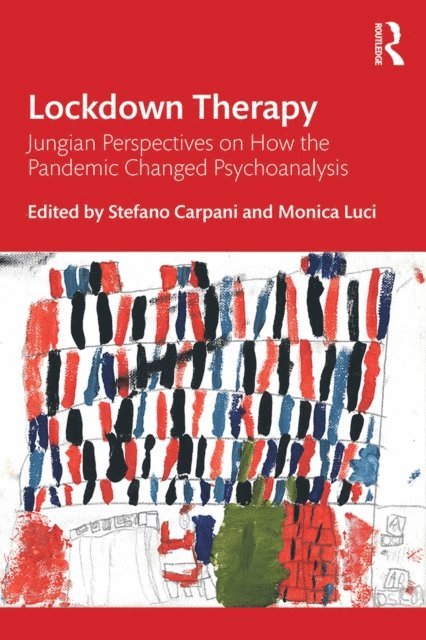
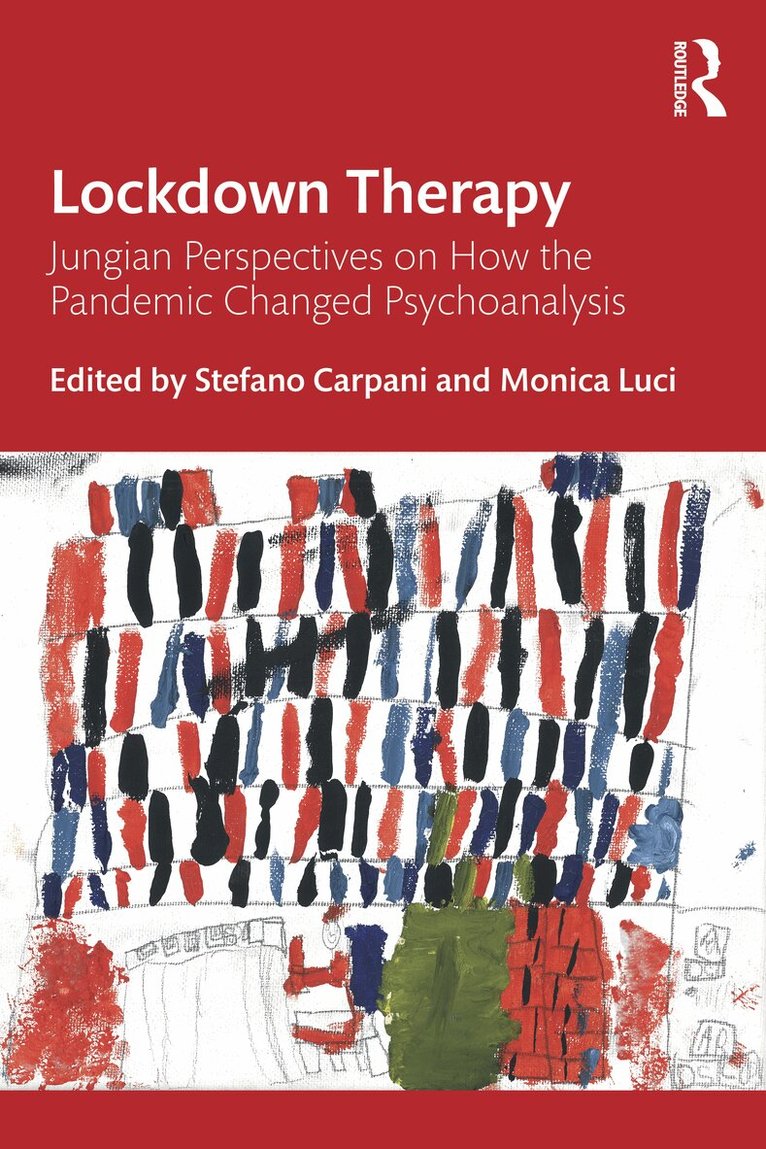
Lockdown Therapy
Jungian Perspectives on How the Pandemic Changed Psychoanalysis
Häftad, Engelska, 2022
481 kr
Skickas inom 10-15 vardagar
Nominated as an IAJS Book Award Finalist 2023!This fascinating volume explores — from the perspective both of analysts and their patients—how the COVID-19 pandemic quickly and unexpectedly created profound and lasting changes in the ways psychoanalysis is conducted, and what those changes mean for analysis moving forward.The first part of the book is made up of interviews conducted by Stefano Carpani with authoritative authors in analytical psychology during the earliest phase of lockdown, centered on themes of the pandemic, lockdown, and how each individual was coping with the challenges those circumstances brought on. The second part features personal essays that further details the subjective experiences of Jungian analysts and therapists worldwide, comprising a collection of reflections on how COVID-19 affected and changed the way analysts work with patients. These reflections focus on the theoretical, clinical, technical, and also practical points of view, including clinical materials on transference and counter-transference considerations. The third part of the book is specular to the second and offers reflections from patients’ perspective on how the pandemic changed their therapies and lockdown affected their experience of therapy. Patients have provided anonymous testimonies through their writing of how they experienced of the change of setting, mindset and related implications.A comprehensive overview of an important and ongoing conversation, Lockdown Therapy is crucial reading for Jungian analysts and scholars, as well as other clinicians training in analysis, psychotherapy and counselling.
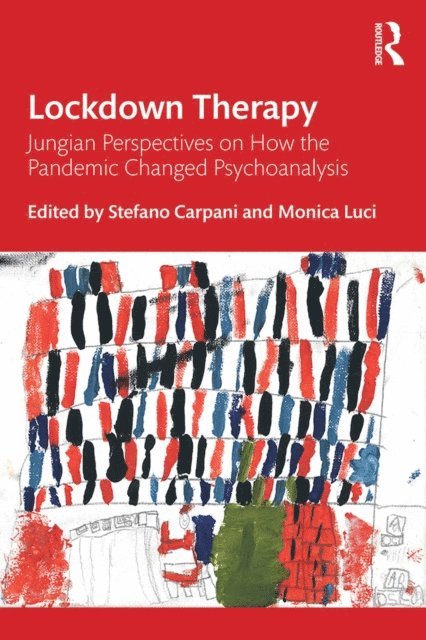
Lockdown Therapy
Jungian Perspectives on How the Pandemic Changed Psychoanalysis
Inbunden, Engelska, 2022
1 957 kr
Skickas inom 10-15 vardagar
Nominated as an IAJS Book Award Finalist 2023!This fascinating volume explores — from the perspective both of analysts and their patients—how the COVID-19 pandemic quickly and unexpectedly created profound and lasting changes in the ways psychoanalysis is conducted, and what those changes mean for analysis moving forward.The first part of the book is made up of interviews conducted by Stefano Carpani with authoritative authors in analytical psychology during the earliest phase of lockdown, centered on themes of the pandemic, lockdown, and how each individual was coping with the challenges those circumstances brought on. The second part features personal essays that further details the subjective experiences of Jungian analysts and therapists worldwide, comprising a collection of reflections on how COVID-19 affected and changed the way analysts work with patients. These reflections focus on the theoretical, clinical, technical, and also practical points of view, including clinical materials on transference and counter-transference considerations. The third part of the book is specular to the second and offers reflections from patients’ perspective on how the pandemic changed their therapies and lockdown affected their experience of therapy. Patients have provided anonymous testimonies through their writing of how they experienced of the change of setting, mindset and related implications.A comprehensive overview of an important and ongoing conversation, Lockdown Therapy is crucial reading for Jungian analysts and scholars, as well as other clinicians training in analysis, psychotherapy and counselling.
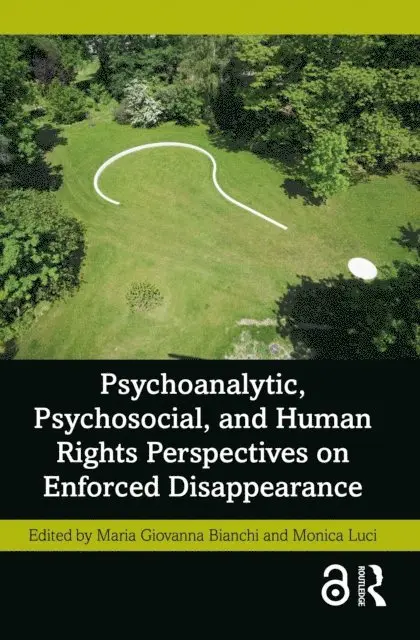
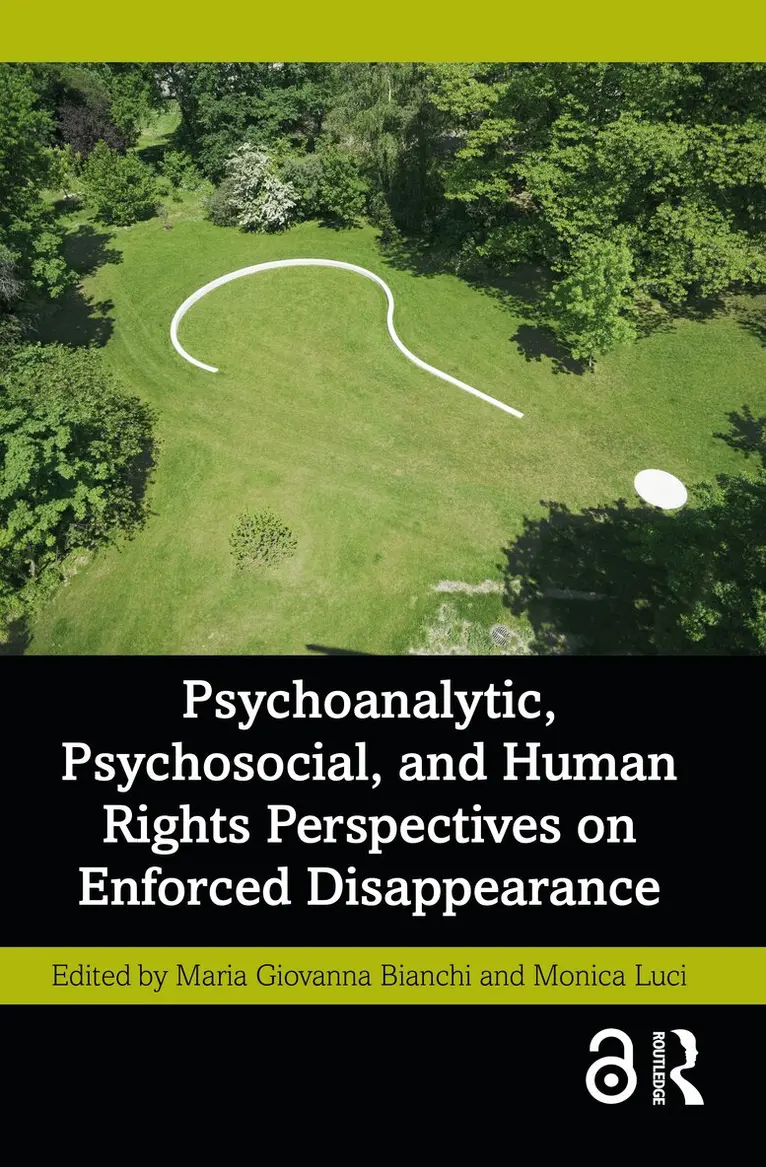
Psychoanalytic, Psychosocial, and Human Rights Perspectives on Enforced Disappearance
Häftad, Engelska, 2023
494 kr
Skickas inom 10-15 vardagar
Collecting authoritative contributions, Psychoanalytic, Psychosocial, and Human Rights Perspectives on Enforced Disappearance combines the life experience of victims with the expertise of scholars and practitioners of human rights, psychoanalysis, and artists to compose a picture that renders the complexity of this crime in its legal, psychological, and social aspects.Victims offer a glimpse into the bottomless despair of those who lose a family member in such a dramatic and torturous way. Academic scholars give a picture of this crime in contemporary world. Experts in human rights law address the progress and limitations of the different standards applied in international human rights law. The psychosocial framework in the context of forensic investigations and reparations encourages the decision-making process of the victims and the elaboration of their personal and collective stories. Psychoanalytic authors address the problems of perpetrators' states of mind, the profound psychological and unconscious significance of torture and the disappearance of people by the State, and the issues of memory and trauma in its multiple meanings, individual, collective, and transgenerational. Art is part of this collective effort to work through, to question, to understand and repair the damages of evil.The book is aimed at postgraduate students, scholars, and practitioners in politics, psychoanalysis, law, psychology, psychosocial studies, human rights, social work and justice, and related fields.Title: Psychoanalytic, Psychosocial, and Human Rights Perspectives on Enforced DisappearanceISBN(s): 9781032320588 hbk / 9781032320571 pbk / 9781003312642 ebkAvailable OA content: Chapter 10 and Chapter 13Licence line: Chapter 10 and Chapter 13 of this book are available for free in PDF format as Open Access from the individual product page at www.taylorfrancis.com. It has been made available under a Creative Commons Attribution (CC-BY) 4.0 license.
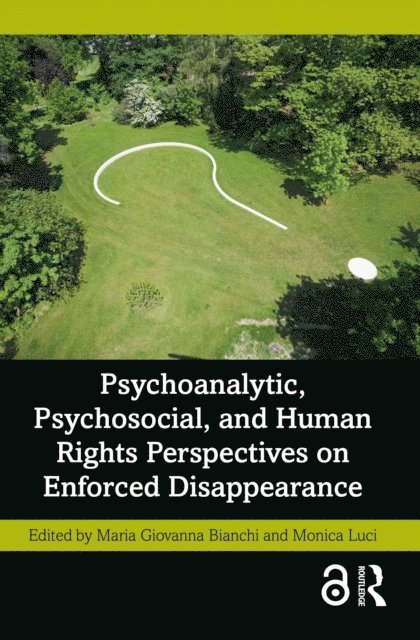
Psychoanalytic, Psychosocial, and Human Rights Perspectives on Enforced Disappearance
Inbunden, Engelska, 2023
1 900 kr
Skickas inom 10-15 vardagar
Collecting authoritative contributions, Psychoanalytic, Psychosocial, and Human Rights Perspectives on Enforced Disappearance combines the life experience of victims with the expertise of scholars and practitioners of human rights, psychoanalysis, and artists to compose a picture that renders the complexity of this crime in its legal, psychological, and social aspects.Victims offer a glimpse into the bottomless despair of those who lose a family member in such a dramatic and torturous way. Academic scholars give a picture of this crime in contemporary world. Experts in human rights law address the progress and limitations of the different standards applied in international human rights law. The psychosocial framework in the context of forensic investigations and reparations encourages the decision-making process of the victims and the elaboration of their personal and collective stories. Psychoanalytic authors address the problems of perpetrators' states of mind, the profound psychological and unconscious significance of torture and the disappearance of people by the State, and the issues of memory and trauma in its multiple meanings, individual, collective, and transgenerational. Art is part of this collective effort to work through, to question, to understand and repair the damages of evil.The book is aimed at postgraduate students, scholars, and practitioners in politics, psychoanalysis, law, psychology, psychosocial studies, human rights, social work and justice, and related fields.Title: Psychoanalytic, Psychosocial, and Human Rights Perspectives on Enforced DisappearanceISBN(s): 9781032320588 hbk / 9781032320571 pbk / 9781003312642 ebkAvailable OA content: Chapter 10 and Chapter 13Licence line: Chapter 10 and Chapter 13 of this book are available for free in PDF format as Open Access from the individual product page at www.taylorfrancis.com. It has been made available under a Creative Commons Attribution (CC-BY) 4.0 license.
2 305 kr
Skickas inom 10-15 vardagar
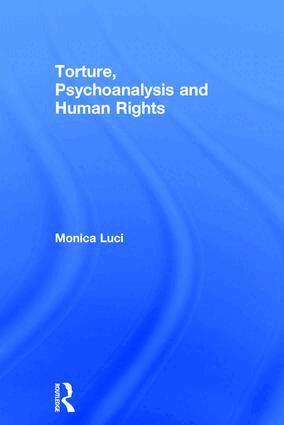
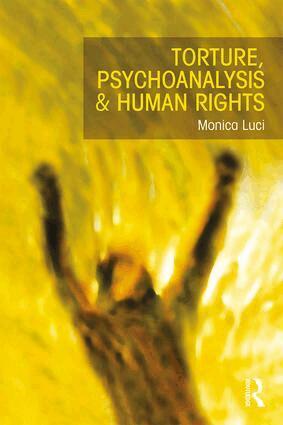
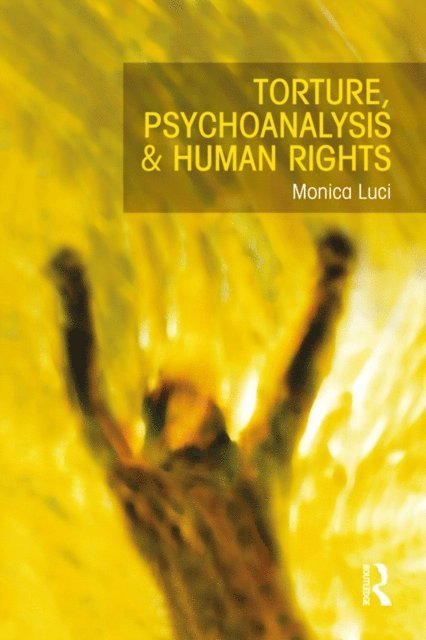
Torture, Psychoanalysis and Human Rights contributes to the development of that field of study called ‘psycho-social’ that is presently more and more committed to providing understanding of social phenomena, making use of the explicative perspective of psychoanalysis. The book seeks to develop a concise and integrated framework of understanding of torture as a socio-political phenomenon based on psychoanalytic thinking, through which different dimensions of the subject of study become more comprehensible.Monica Luci argues that torture performs a covert emotional function in society. In order to identify what this function might be, a profile of ‘torturous societies’ and the main psychological dynamics of social actors involved – torturers, victims, and bystanders – are drawn from literature. Accordingly, a wide-ranging description of the phenomenology of torture is provided, detecting an inclusive and recurring pattern of key elements. Relying on psychoanalytic concepts derived from different theoretical traditions, including British object relations theories, American relational psychoanalysis and analytical psychology, the study provides an advanced line of conceptual research, shaping a model, whose aim is tograsp the deep meaning of key intrapsychic, interpersonal and group dynamics involved in torture.Once a sufficiently coherent understanding has been reached, Luci proposes using it as a groundwork tool in the human rights field to re-think the best strategies of prevention and recovery from post-torture psychological and social suffering. The book initiates a dialogue between psychoanalysis and human rights, showing that the proposed psychoanalytic understanding is a viable conceptualisation for expanding thinking of crucial issues regarding torture, which might be relevant to human rights and legal doctrine, such as the responsibility of perpetrators, the reparation of victims and the question of ‘truth’.Torture, Psychoanalysis and Human Rights is the first book to build a psychoanalytic theory of torture from which psychological, social and legal reflections, as well as practical aspects of treatment, can be mutually derived and understood. It will appeal to psychoanalysts, psychoanalytic psychotherapists and Jungians, as well as scholars of politics, social work and justice, and human rights and postgraduate students studying across these fields.
634 kr
Skickas inom 10-15 vardagar
Torture, Psychoanalysis and Human Rights contributes to the development of that field of study called ‘psycho-social’ that is presently more and more committed to providing understanding of social phenomena, making use of the explicative perspective of psychoanalysis. The book seeks to develop a concise and integrated framework of understanding of torture as a socio-political phenomenon based on psychoanalytic thinking, through which different dimensions of the subject of study become more comprehensible.Monica Luci argues that torture performs a covert emotional function in society. In order to identify what this function might be, a profile of ‘torturous societies’ and the main psychological dynamics of social actors involved – torturers, victims, and bystanders – are drawn from literature. Accordingly, a wide-ranging description of the phenomenology of torture is provided, detecting an inclusive and recurring pattern of key elements. Relying on psychoanalytic concepts derived from different theoretical traditions, including British object relations theories, American relational psychoanalysis and analytical psychology, the study provides an advanced line of conceptual research, shaping a model, whose aim is tograsp the deep meaning of key intrapsychic, interpersonal and group dynamics involved in torture.Once a sufficiently coherent understanding has been reached, Luci proposes using it as a groundwork tool in the human rights field to re-think the best strategies of prevention and recovery from post-torture psychological and social suffering. The book initiates a dialogue between psychoanalysis and human rights, showing that the proposed psychoanalytic understanding is a viable conceptualisation for expanding thinking of crucial issues regarding torture, which might be relevant to human rights and legal doctrine, such as the responsibility of perpetrators, the reparation of victims and the question of ‘truth’.Torture, Psychoanalysis and Human Rights is the first book to build a psychoanalytic theory of torture from which psychological, social and legal reflections, as well as practical aspects of treatment, can be mutually derived and understood. It will appeal to psychoanalysts, psychoanalytic psychotherapists and Jungians, as well as scholars of politics, social work and justice, and human rights and postgraduate students studying across these fields.