Monica Scannapieco - Böcker
Visar alla böcker från författaren Monica Scannapieco. Handla med fri frakt och snabb leverans.
5 produkter
5 produkter
1 422 kr
Skickas inom 10-15 vardagar
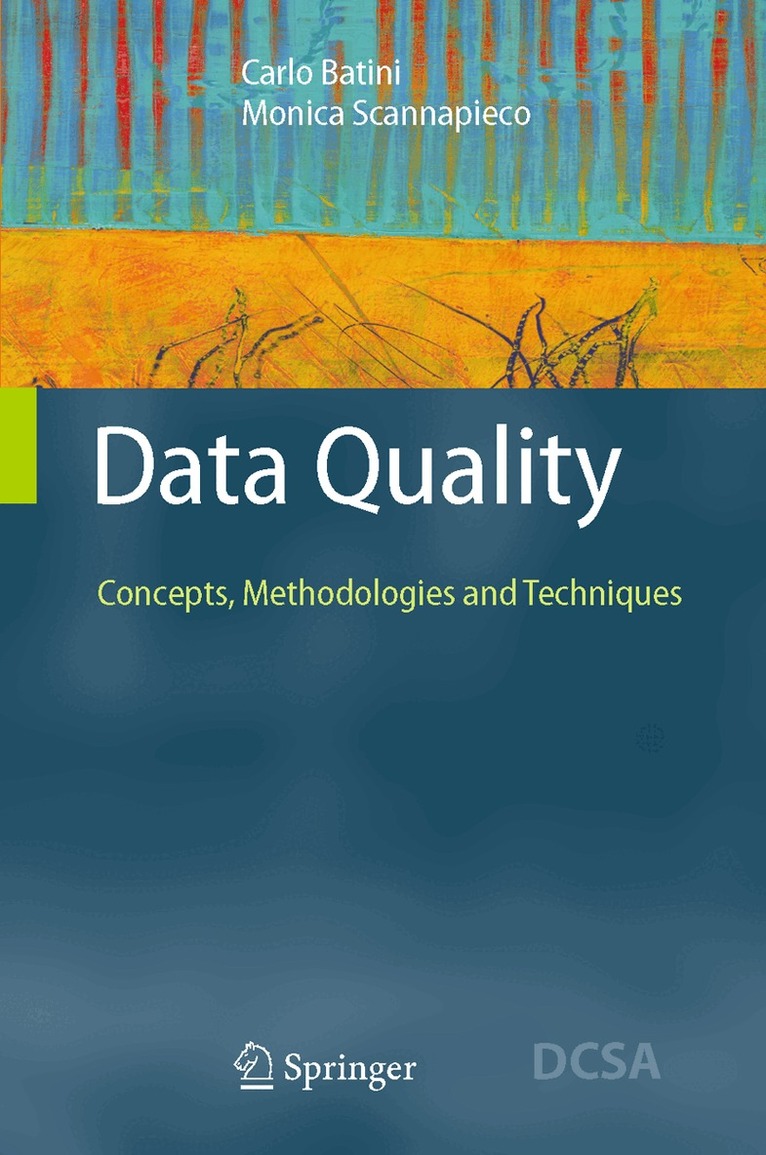
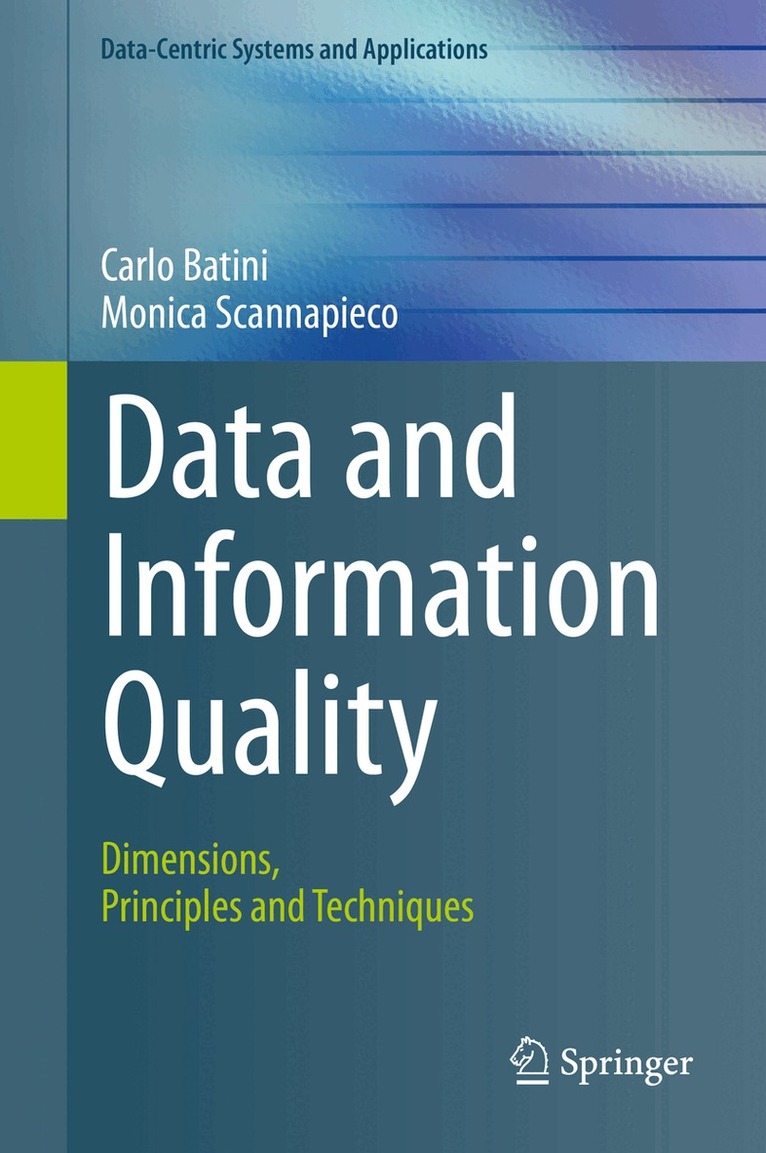
This book provides a systematic and comparative description of the vast number of research issues related to the quality of data and information. It does so by delivering a sound, integrated and comprehensive overview of the state of the art and future development of data and information quality in databases and information systems.To this end, it presents an extensive description of the techniques that constitute the core of data and information quality research, including record linkage (also called object identification), data integration, error localization and correction, and examines the related techniques in a comprehensive and original methodological framework. Quality dimension definitions and adopted models are also analyzed in detail, and differences between the proposed solutions are highlighted and discussed. Furthermore, while systematically describing data and information quality as an autonomous research area, paradigms and influences deriving from other areas, such as probability theory, statistical data analysis, data mining, knowledge representation, and machine learning are also included. Last not least, the book also highlights very practical solutions, such as methodologies, benchmarks for the most effective techniques, case studies, and examples. The book has been written primarily for researchers in the fields of databases and information management or in natural sciences who are interested in investigating properties of data and information that have an impact on the quality of experiments, processes and on real life. The material presented is also sufficiently self-contained for masters or PhD-level courses, and it covers all the fundamentals and topics without the need for other textbooks. Data and information system administrators and practitioners, who deal with systems exposed to data-quality issues and as a result need a systematization of the field and practical methods in the area, will also benefit from thecombination of concrete practical approaches with sound theoretical formalisms.
1 422 kr
Skickas inom 10-15 vardagar
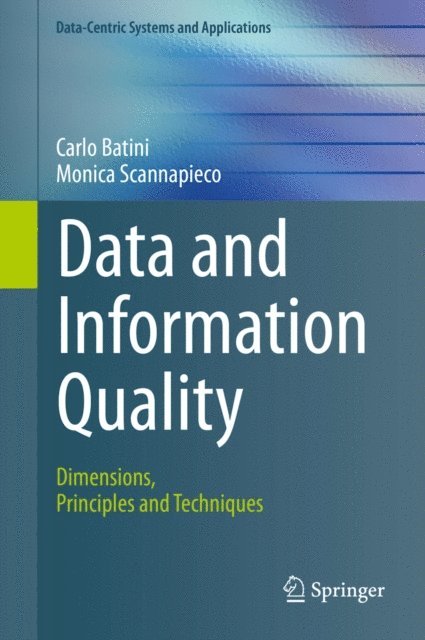
This book provides a systematic and comparative description of the vast number of research issues related to the quality of data and information. It does so by delivering a sound, integrated and comprehensive overview of the state of the art and future development of data and information quality in databases and information systems.To this end, it presents an extensive description of the techniques that constitute the core of data and information quality research, including record linkage (also called object identification), data integration, error localization and correction, and examines the related techniques in a comprehensive and original methodological framework. Quality dimension definitions and adopted models are also analyzed in detail, and differences between the proposed solutions are highlighted and discussed. Furthermore, while systematically describing data and information quality as an autonomous research area, paradigms and influences deriving from other areas, such as probability theory, statistical data analysis, data mining, knowledge representation, and machine learning are also included. Last not least, the book also highlights very practical solutions, such as methodologies, benchmarks for the most effective techniques, case studies, and examples. The book has been written primarily for researchers in the fields of databases and information management or in natural sciences who are interested in investigating properties of data and information that have an impact on the quality of experiments, processes and on real life. The material presented is also sufficiently self-contained for masters or PhD-level courses, and it covers all the fundamentals and topics without the need for other textbooks. Data and information system administrators and practitioners, who deal with systems exposed to data-quality issues and as a result need a systematization of the field and practical methods in the area, will also benefit from thecombination of concrete practical approaches with sound theoretical formalisms.
1 096 kr
Skickas inom 10-15 vardagar
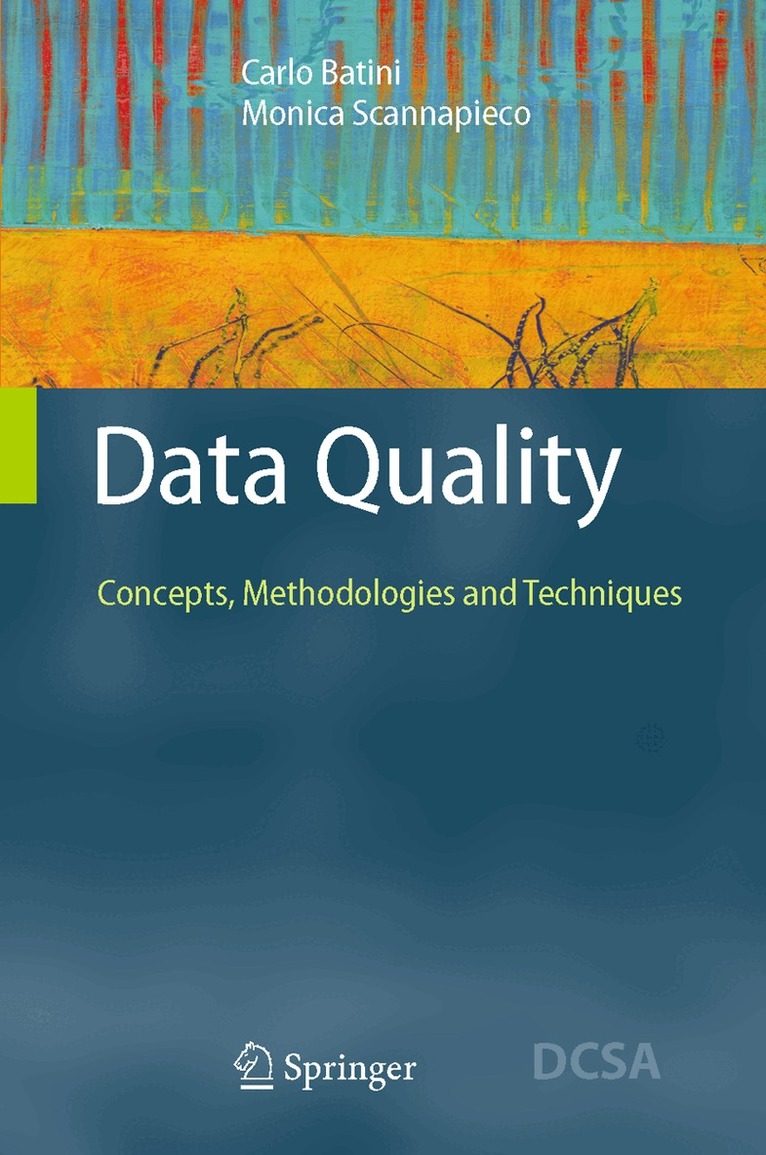
Poor data quality can seriously hinder the effectiveness of organizations and businesses. This book offers state of the art understanding of the issues surrounding data quality, and sound practical advice for analyzing and improving data quality in the real world.
1 096 kr
Skickas inom 10-15 vardagar
Poor data quality can seriously hinder the effectiveness of organizations and businesses. This book offers state of the art understanding of the issues surrounding data quality, and sound practical advice for analyzing and improving data quality in the real world.
606 kr
Skickas inom 10-15 vardagar
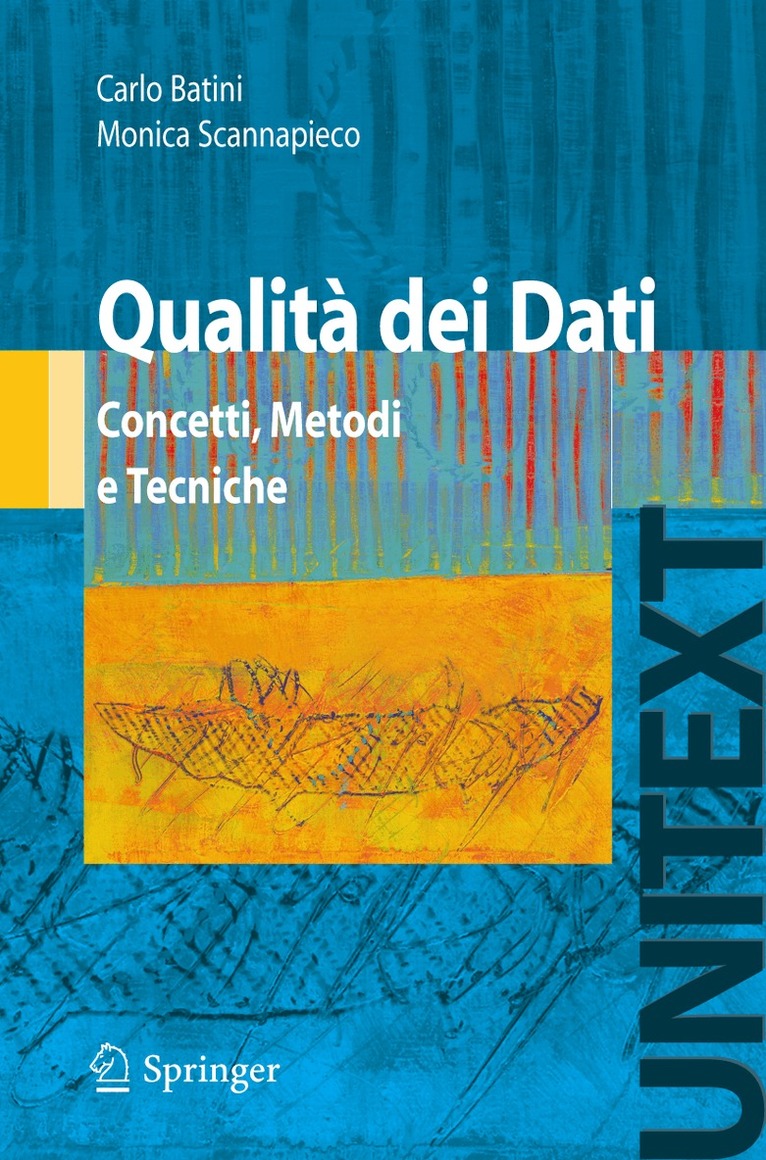
La scarsa qualità dei dati può ostacolare o danneggiare seriamente l’efficienza e l’efficacia di organizzazioni e imprese. La crescente consapevolezza di tali ripercussioni ha condotto a importanti iniziative pubbliche come la promulgazione del "Data Quality Act" negli Stati Uniti e della direttiva 2003/98 del Parlamento Europeo.Gli autori presentano un’introduzione completa e sistematica all’ampio insieme di problemi legati alla qualità dei dati. Il libro parte con una descrizione dettagliata di diverse dimensioni della qualità dei dati, come l’accuratezza, la completezza e la consistenza, e ne discute l’importanza in relazione sia a diverse tipologie di dati, come i dati federati, i dati presenti sul web e i dati con dipendenze temporali, che alle diverse categorie in cui i dati si possono classificare. L’esauriente descrizione di tecniche e metodologie provenienti non solo dalla ricerca nell’area della qualità dei dati ma anche in aree correlate, quali data mining, teoria della probabilità, analisi statistica dei dati e apprendimento automatico, fornisce un’eccellente introduzione allo stato dell’arte attuale. La presentazione è completata da una breve descrizione e da un confronto critico di strumenti e metodologie pratiche, che aiuterà il lettore a risolvere i propri problemi di qualità.Questo libro costituisce la combinazione ideale fra la correttezza dei fondamenti teorici e l’applicabilità degli approcci pratici. E’ ideale per tutti coloro – ricercatori, studenti o professionisti – che siano interessati a una panoramica completa sui problemi della qualità dei dati. Può essere inoltre impiegato come manuale in un corso introduttivo all’argomento, o dall’autodidatta.