Monika Platzer - Böcker
Visar alla böcker från författaren Monika Platzer. Handla med fri frakt och snabb leverans.
3 produkter
3 produkter
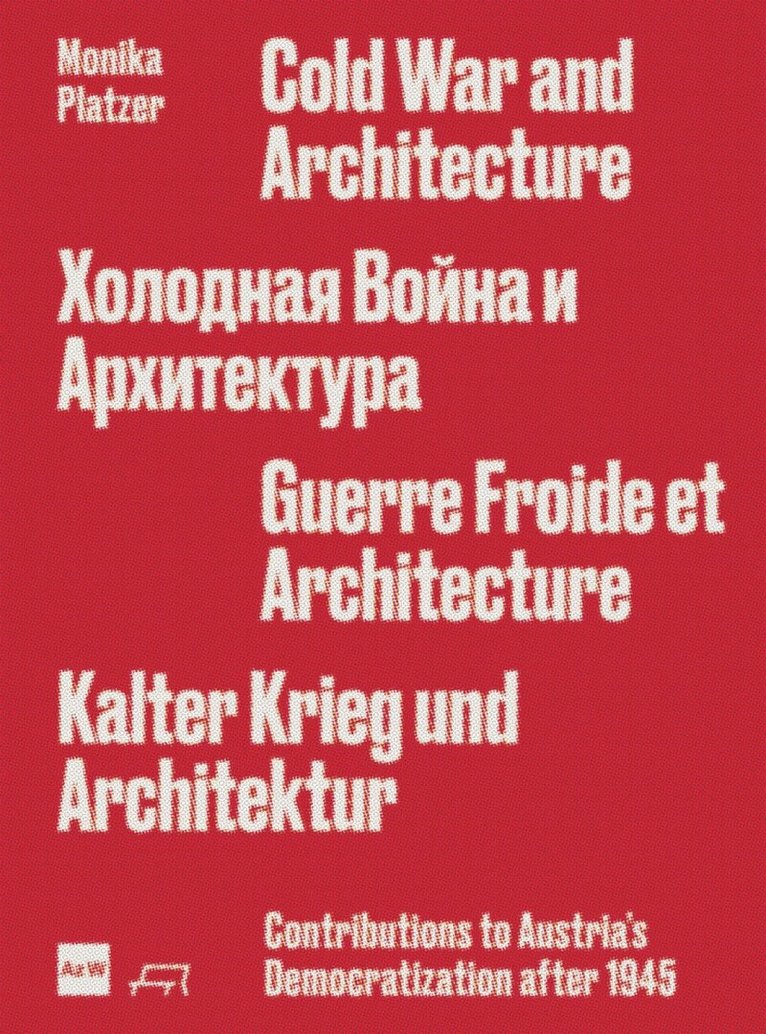
Cold War and Architecture
The Competing Forces that Reshaped Austria after 1945
Häftad, Engelska, 2020
606 kr
Skickas inom 7-10 vardagar
Following the liberation and subsequent occupation of Austria at the end of World War II in spring 1945 by the victorious powers Britain, France, the United States, and the Soviet Union, Vienna soon became a central stage for the quickly emerging Cold War. The struggle of differing political systems was also carried out in the field of architecture. Cold War and Architecture sheds new light on the building activity in postwar Austria and its main protagonists. For the first time, this book explores the lines of architectural debates of the time in the context of the global political and cultural conflict of East vs. West. With its transnational perspective, it changes our view of architectural history and postwar society.During the ten-year occupation period, Austria experienced a transition from authoritarian government to democratic consumer society. Each of the four Allied powers established its own extensive cultural program. Architectural exhibitions became important instruments of such educational schemes with the objective of a new social order. British, American, French, and Soviet cultural policies served as catalysts for ideological convictions.
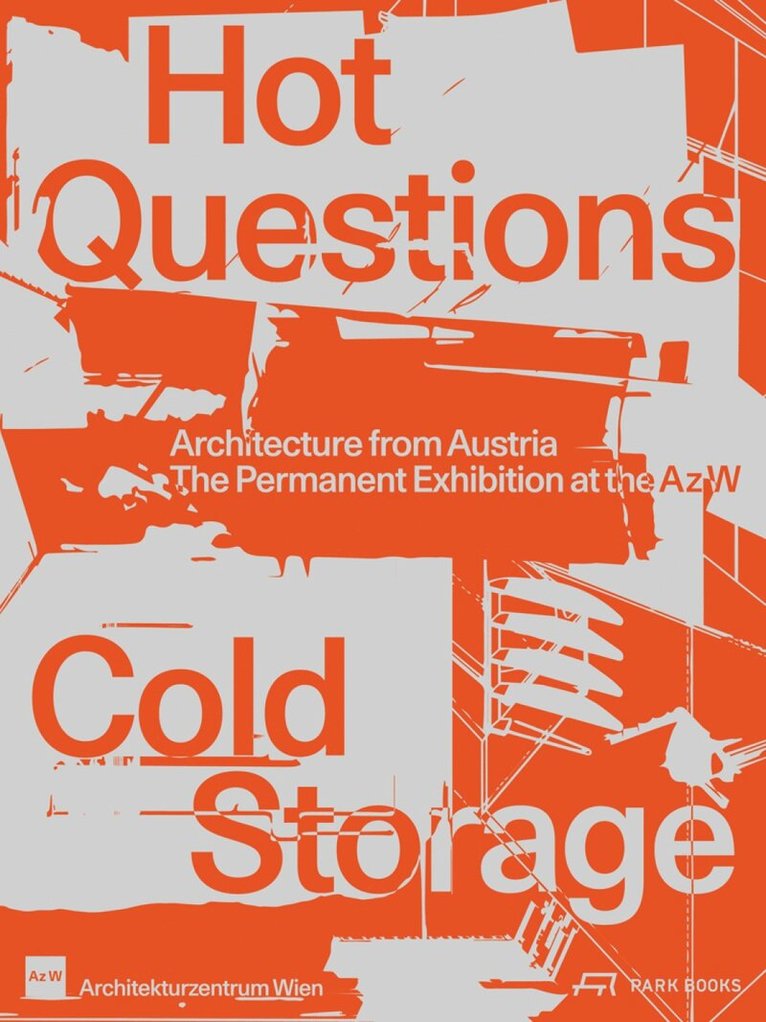
Hot Questions—Cold Storage
Architecture from Austria. The Permanent Exhibition at the Az W
Häftad, Engelska, 2023
673 kr
Skickas inom 5-8 vardagar
The new permanent display of Architekturzentrum Wien’s (Az W) collection, opened in February 2022, is a milestone in the presentation of architecture and its social dimensions. Now this most comprehensive collection on Austrian architecture of the 20th and 21st centuries, featuring colour images of all exhibits, concise texts, and thematic essays, also becomes available in book format.Hot Questions—Cold Storage takes a fresh look at the country’s architectural culture of the last 150 years, situating it in its cultural, social, political, economic, and technical contexts. Each of the seven chapters is prefaced by one of seven questions of our present, asking for example about the impact of financial capitalism on our cities and villages, about how do we want to live, or about the contribution architecture can make to our survival on planet earth. These Hot Questions bring to life the Cold Storage, the silent repository of the collection's holdings. The book offers a multi-perspective narrative that makes visible Austria's building history with all the developments, ideologies, institutions, objects, places, personalities it comprises. The book also illustrates what the collection of a museum of architecture can achieve. It is far more than mere flotsam and jetsam of history. The social relevance of objects and documents is revealed through questioning and visualisation, in connecting research and the museum’s mission to collect.
426 kr
Kommande
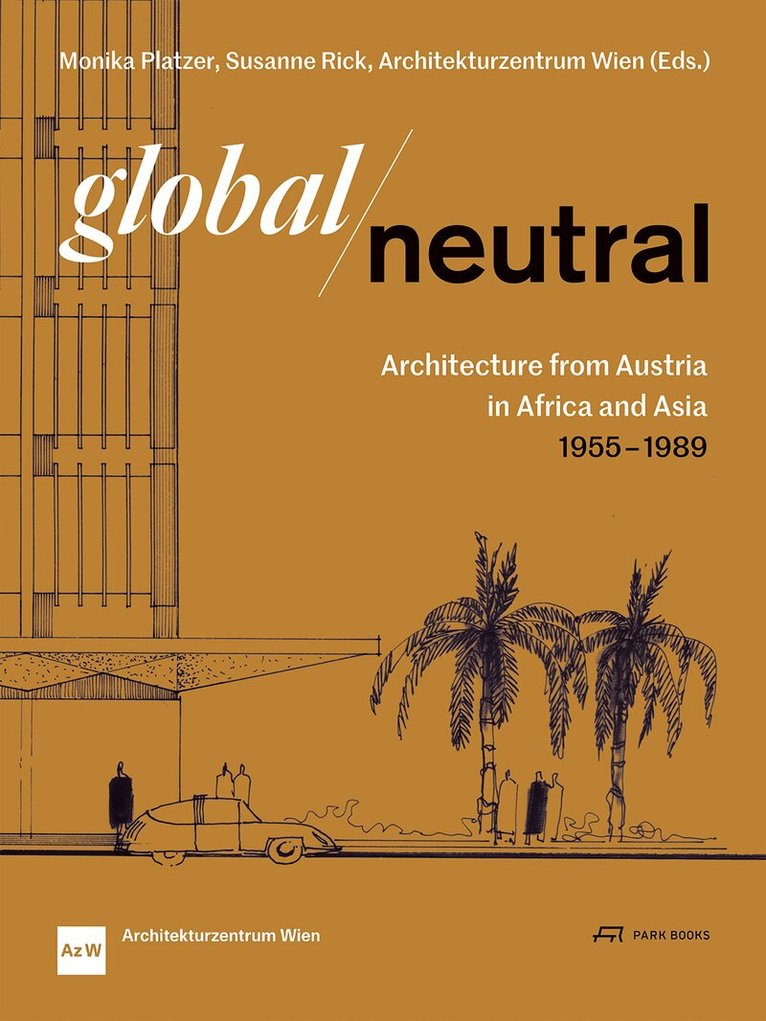
Global—Neutral embarks on an architectural search for traces in postcolonial contexts. It documents buildings and projects by Austrian architects in African and Asian countries realised between 1955 and 1989—a period of global political upheaval during which numerous states gained independence from European colonial powers and international cooperation was increasingly marked by Cold War tensions. Designs by Djamshid Farassat, Hans Hollein, Shahrzad Seradj-Kraupp, Helene Koller-Buchwieser, Norbert Heltschl, Carl Pruscha, Hannes Lintl, Roland Rainer, and Anton Schweighofer, among others, illustrate transnational dimensions and reveal surprising connections between Austria and the Global South.In seven chapters, lavishly illustrated with reproductions of plans, images of models, photographs, and other documents from Architekturzentrum Wien’s collection, the book guides readers through the complex entanglements of architecture, geopolitics, development cooperation, and transnational knowledge exchange. Scholarly essays and other contributions by international authors expand on historical, political, and cultural contexts and offer local reflections from Nepal, Indonesia, Nigeria, and Abu Dhabi.