Mónika Szente-Varga – författare
Visar alla böcker från författaren . Handla med fri frakt och snabb leverans.
2 produkter
2 produkter
Inbunden, Engelska, 2027
1 479 kr
Kommande
This book analyses the relationships between late socialist Hungary and its two key political and ideological partners in Latin America in the 1980s: Cuba and Nicaragua. Using the framework of the Cold War international system, it shows how Hungarian leaders viewed Latin America both as a potential market and as a space for East-West competition, while also seeking to expand their room for manoeuvre within the constraints of Soviet expectations. By focusing on the entanglements between smaller states, Mónika Szente-Varga offers new insights into the functioning of the Cold War beyond superpower dynamics. Structured around eight comparative case studies, Hungary’s Late Cold War Relations with Cuba and Nicaragua examines the exchanges, norms and practices that shaped relations among these countries. In doing this, it argues that Soviet-aligned satellite states were not necessarily passive, but in fact could take advantage of the conflict to further their national interests. Challenging the notion that Soviet bloc countries were isolated, this book highlights patters of cooperation, competition and rivalry. By drawing on archival sources, newspapers and oral histories, it uncovers a dense web of entanglements between the Soviet bloc and the Global South, making an original contribution to Cold War history.
E-bok
Spanska, 2017272 kr
Läs direkt efter köp
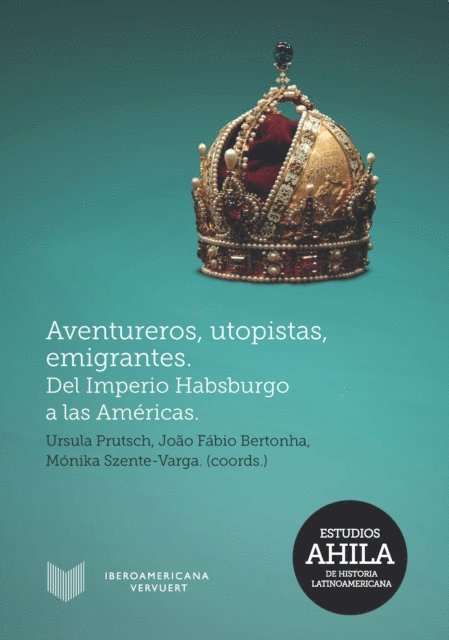
El tema central de este libro es la presencia del centro y del este de Europa en América Latina, un campo poco estudiado. A lo largo de más de los cien años que abarcan los artículos, entre el siglo XIX y las primeras décadas del XX, hubo súbditos del Imperio Habsburgo y posteriormente de la Monarquía Dual austrohúngara, que visitaron, vivieron o inclusive se establecieron definitivamente en América Latina: soldados, mercenarios, mineros, aventureros, prostitutas, refugiados de revoluciones fallidas en Europa, idealistas y/o emigrantes. Muchos de estos no solo llevaban su equipaje material, sino su bagaje cultural, sus ideas, ideologías y códigos culturales para América Latina. Actores históricos que tuvieron en común una perspectiva centro/este-europea a través de la cual vieron, percibieron e interpretaron América Latina y, sobre todo, supieron reflejar sus experiencias en diversos escritos para crear las primeras imágenes de aquellas tierras en Europa.