Monisa M Malik – författare
Visar alla böcker från författaren Monisa M Malik. Handla med fri frakt och snabb leverans.
4 produkter
4 produkter
Inbunden, Engelska, 2025
2 558 kr
Skickas inom 5-8 vardagar
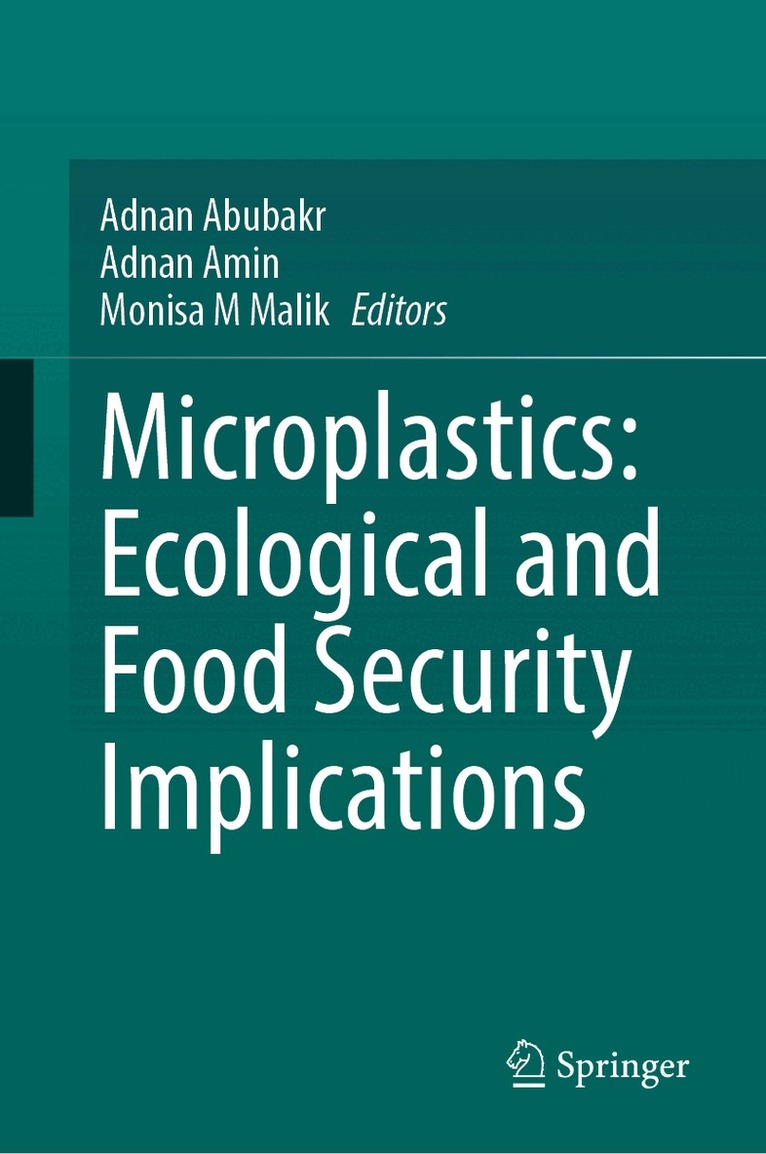
Microplastics are tiny plastic particles measuring less than 5 millimeters. Though microscopic in size, these pervasive pollutants have a massive impact on aquatic systems worldwide, with disastrous consequences for our environment, wildlife, and ultimately, human well-being. The study of MPs and their effects on aquatic ecology is of utmost importance in determining the far-reaching implications of these particles on the health of our planet and the safety of our food systems. By comprehending the ecological consequences, we can take informed actions to reduce plastic waste, improve waste management practices, and protect the health and integrity of our aquatic ecosystems for future generations.Microplastics: Ecological and Food Security Implications not only articulates the extent of the problem, but also develops practicable harm mitigation strategies. Expert researchers discuss the disruptions MPs cause in the food web, altering predator-prey dynamics and even the composition of aquatic environments, as accumulation of MPs in sediments impacts nutrient cycling. When MPs find their way into our food systems, they can cause physical effects such as effects such as internal blockages, damage to the digestive system, and impaired reproduction. Solutions-oriented, Microplastics: Ecological and Food Security Implications delves into tangible strategies to reduce plastic waste, improve waste management practices, and advocate for policy changes. By empowering readers with concrete measures, it encourages active participation in combating MP pollution.
E-bok
Engelska, 20253 251 kr
Läs direkt efter köp
Microplastics are tiny plastic particles measuring less than 5 millimeters. Though microscopic in size, these pervasive pollutants have a massive impact on aquatic systems worldwide, with disastrous consequences for our environment, wildlife, and ultimately, human well-being. The study of MPs and their effects on aquatic ecology is of utmost importance in determining the far-reaching implications of these particles on the health of our planet and the safety of our food systems. By comprehending the ecological consequences, we can take informed actions to reduce plastic waste, improve waste management practices, and protect the health and integrity of our aquatic ecosystems for future generations.Microplastics: Ecological and Food Security Implications not only articulates the extent of the problem, but also develops practicable harm mitigation strategies. Expert researchers discuss the disruptions MPs cause in the food web, altering predator-prey dynamics and even the composition of aquatic environments, as accumulation of MPs in sediments impacts nutrient cycling. When MPs find their way into our food systems, they can cause physical effects such as effects such as internal blockages, damage to the digestive system, and impaired reproduction. Solutions-oriented, Microplastics: Ecological and Food Security Implications delves into tangible strategies to reduce plastic waste, improve waste management practices, and advocate for policy changes. By empowering readers with concrete measures, it encourages active participation in combating MP pollution.
Inbunden, Engelska, 2026
2 484 kr
Skickas inom 10-15 vardagar
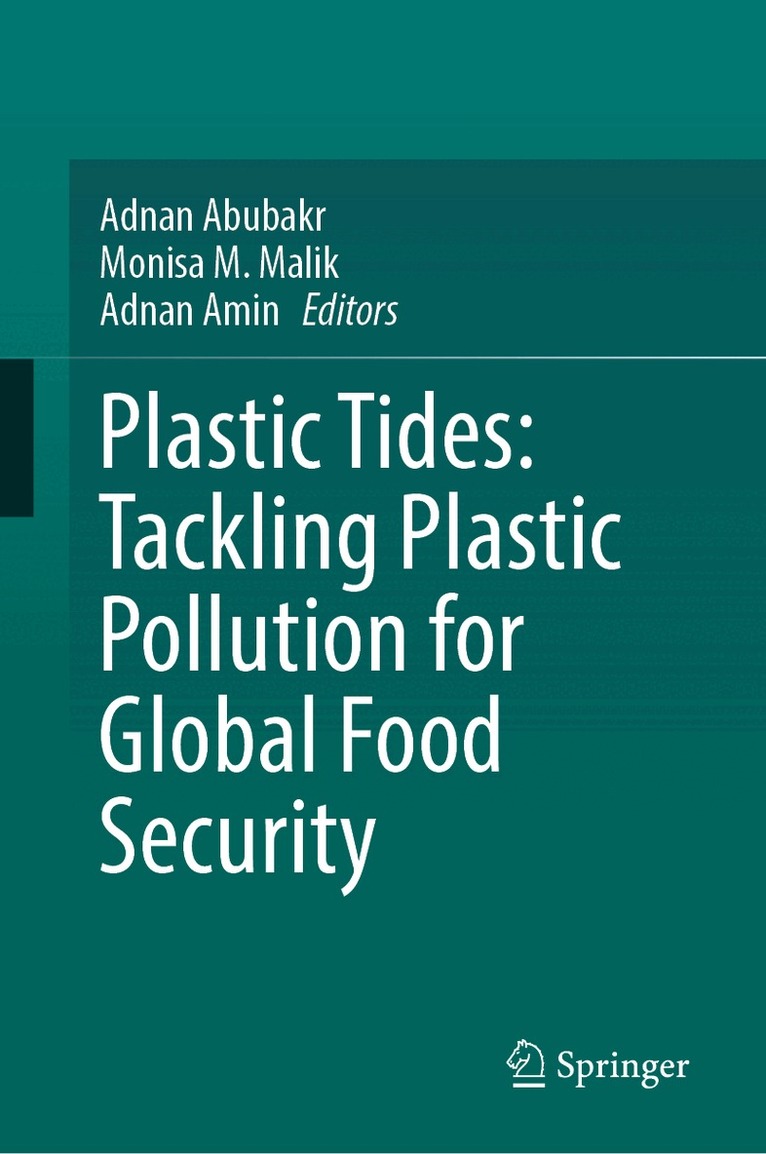
As plastics, including microplastics, increasingly infiltrate freshwater and marine ecosystems, they pose serious risks to aquatic organisms, particularly those that are part of the human food chain. To address this crisis, researchers and policymakers require a multidisciplinary exploration of both the origins of plastic pollution and the potential mitigation strategies, including biodegradable alternatives, circular economy approaches, policy frameworks, and community-led efforts to reduce environmental impact.Plastic Tides: Tackling Plastic Pollution for Global Food Security will not only examine the sources of plastics in water bodies, their accumulation in aquatic food species, and the potential health and economic impacts on communities reliant on these resources, but also explore practical solutions, including plastic reduction strategies and sustainable material alternatives. Special emphasis will be placed on regions and populations that are particularly dependent on fisheries and agriculture, highlighting their heightened exposure and vulnerability. Insights from across the fields of environmental science, toxicology, and public health, together offer a comprehensive guide to tackling this influx of pollution on a scientific and public policy level.
E-bok
Engelska, 20263 157 kr
Läs direkt efter köp
As plastics, including microplastics, increasingly infiltrate freshwater and marine ecosystems, they pose serious risks to aquatic organisms, particularly those that are part of the human food chain. To address this crisis, researchers and policymakers require a multidisciplinary exploration of both the origins of plastic pollution and the potential mitigation strategies, including biodegradable alternatives, circular economy approaches, policy frameworks, and community-led efforts to reduce environmental impact.Plastic Tides: Tackling Plastic Pollution for Global Food Security will not only examine the sources of plastics in water bodies, their accumulation in aquatic food species, and the potential health and economic impacts on communities reliant on these resources, but also explore practical solutions, including plastic reduction strategies and sustainable material alternatives. Special emphasis will be placed on regions and populations that are particularly dependent on fisheries and agriculture, highlighting their heightened exposure and vulnerability. Insights from across the fields of environmental science, toxicology, and public health, together offer a comprehensive guide to tackling this influx of pollution on a scientific and public policy level.