Moritz Follmer – författare
Visar alla böcker från författaren Moritz Follmer. Handla med fri frakt och snabb leverans.
8 produkter
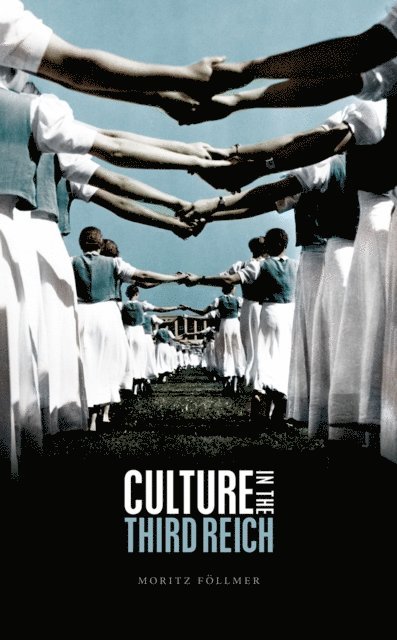
Culture in the Third Reich
E-bok, 2020
189 kr
Lägg i varukorg
''It''s like being in a dream'', commented Joseph Goebbels when he visited Nazi-occupied Paris in the summer of 1940. Dream and reality did indeed intermingle in the culture of the Third Reich, racialist fantasies and spectacular propaganda set-pieces contributing to this atmosphere alongside more …
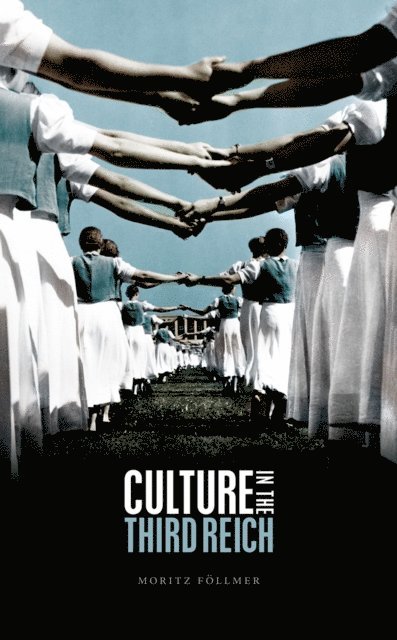
Culture in the Third Reich
E-bok, 2020
189 kr
Lägg i varukorg
''It''s like being in a dream'', commented Joseph Goebbels when he visited Nazi-occupied Paris in the summer of 1940. Dream and reality did indeed intermingle in the culture of the Third Reich, racialist fantasies and spectacular propaganda set-pieces contributing to this atmosphere alongside more …
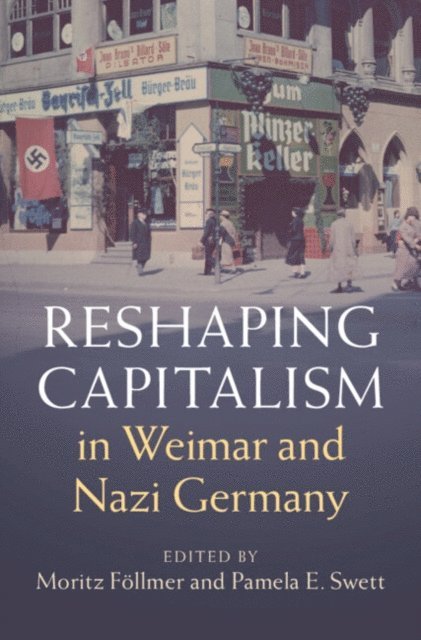
Reshaping Capitalism in Weimar and Nazi Germany
Av Pamela E. Swett, Moritz Follmer
E-bok, 2022
427 kr
Lägg i varukorg
In Weimar and Nazi Germany, capitalism was hotly contested, discreetly practiced, and politically regulated. This volume shows how it adapted to fit a nation undergoing drastic changes following World War I. Through wide-ranging cultural histories, a transatlantic cast of historians probes the ways …
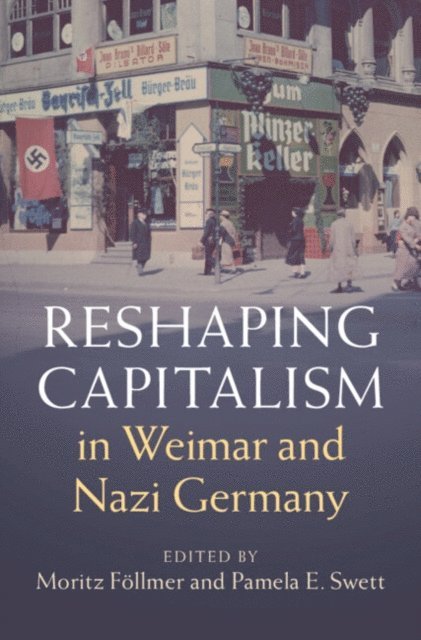
Reshaping Capitalism in Weimar and Nazi Germany
Av Pamela E. Swett, Moritz Follmer
E-bok, 2022
437 kr
Lägg i varukorg
In Weimar and Nazi Germany, capitalism was hotly contested, discreetly practiced, and politically regulated. This volume shows how it adapted to fit a nation undergoing drastic changes following World War I. Through wide-ranging cultural histories, a transatlantic cast of historians probes the ways …
Sehnsucht Nach Nahe: Interpersonale Kommunikation in Deutschland Seit Dem 19. Jahrhundert
Häftad
1125 kr
Lägg i varukorg
Die Verteidigung der bürgerlichen Nation
Industrielle und hohe Beamte in Deutschland und Frankreich 1900–1930
E-bok, 2002
485 kr
Lägg i varukorg
Die gesellschaftliche Akzeptanz der europäischen Nationalstaaten war mit der Wende zum 20. Jahrhundert fragil geworden, seit 1917 stellte die Revolution eine reale Bedrohung dar. Industrielle und hohe Beamte im deutschen Kaiserreich waren mit diesen Veränderungen in vielfältiger Weise konfrontiert. …