Mortimer Adler – författare
Visar alla böcker från författaren Mortimer Adler. Handla med fri frakt och snabb leverans.
10 produkter
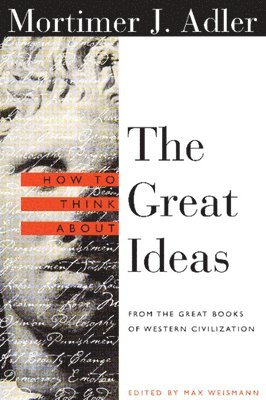
How to Think About the Great Ideas
From the Great Books of Western Civilization
Av Mortimer Adler, Max Weismann
Häftad, 2000
444 kr
Lägg i varukorg
Philosophy of everybody's business. As human beings, we all have the ability, and even the proclivity, to philosophize. We all engage in philosphical thought in the course of our daily live. What is philosophy? Why is it important? The importance of philosophy can be summed up in two words: Great …
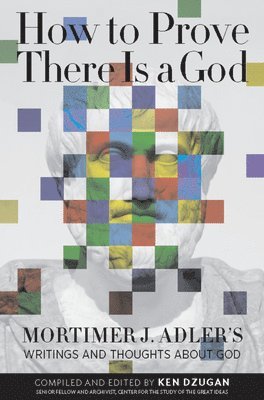
How to Prove There Is a God
Mortimer J. Adler's Writings and Thoughts About God
Häftad, 2011
270 kr
Lägg i varukorg
One of the great tasks of Mortimer Adler's illustrious life was his search for a watertight proof of the existence of God. Adler believed that his search had been successful. Adler spent years studying the classic proofs of God's existence, especially Aquinas's Five Ways, and found shortcomings in …
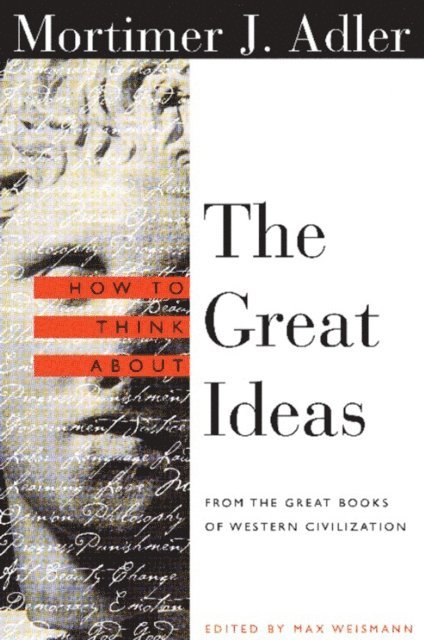
How to Think About the Great Ideas
From the Great Books of Western Civilization
Av Mortimer Adler, Max Weismann
E-bok, 2000
292 kr
Lägg i varukorg
Time magazine called Mortimer J. Adler a "philosopher for everyman." In this guide to considering the big questions, Adler addresses the topics all men and women ponder in the course of life, such as "What is love?", "How do we decide the right thing to do?", and, "What does it mean to be good?" …
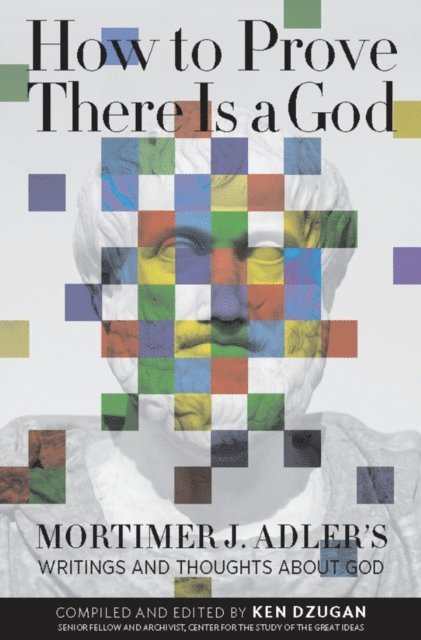
How to Prove There Is a God
Mortimer J. Adler''s Writings and Thoughts About God
E-bok, 2011
490 kr
Lägg i varukorg
One of the great tasks of Mortimer Adler’s illustrious life was his search for a watertight proof of the existence of God. Adler believed that his search had been successful. Adler spent years studying the classic proofs of God’s existence, especially Aquinas’s Five Ways, and found shortcomings in …
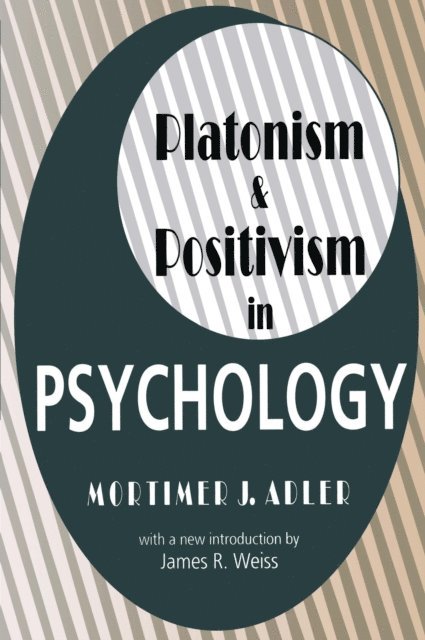
Platonism and Positivism in Psychology
Inbunden, 2018
2455 kr
Lägg i varukorg
Psychology is a field of many paradoxes. Since its earliest beginnings as a natural science, psychologists have been in search of their proper subject matter. Today they are in less agreement than ever. In this classic text, originally published as What Man Has Made of Man, Mortimer J. Adler goes …
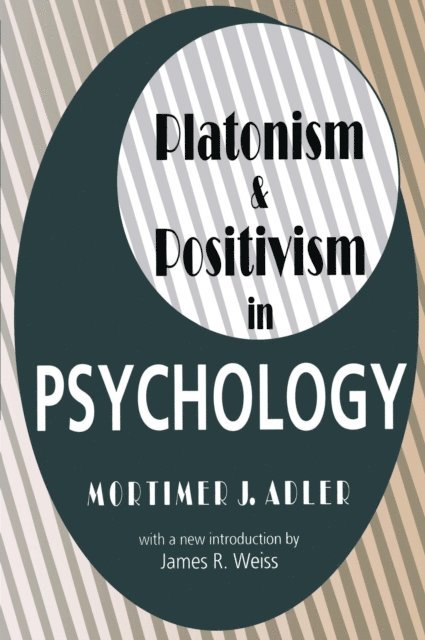
Platonism and Positivism in Psychology
Av Mortimer Adler, Julie Christian
E-bok, 2018
847 kr
Lägg i varukorg
Psychology is a field of many paradoxes. Since its earliest beginnings as a natural science, psychologists have been in search of their proper subject matter. Today they are in less agreement than ever. In this classic text, originally published as What Man Has Made of Man, Mortimer J. Adler goes …
Platonism and Positivism in Psychology
Av Mortimer Adler, Julie Christian
E-bok, 2018
866 kr
Lägg i varukorg
Psychology is a field of many paradoxes. Since its earliest beginnings as a natural science, psychologists have been in search of their proper subject matter. Today they are in less agreement than ever. In this classic text, originally published as What Man Has Made of Man, Mortimer J. Adler goes …
How to Read a Book
A Guide to Reading the Great Books
E-bok, 2019
66 kr
Lägg i varukorg
With half a million copies in print, How to Read a Book is the best and most successful guide to reading comprehension for the general reader, completely rewritten and updated with new material.A CNN Book of the Week: "Explains not just why we should read books, but how we should read them. It''s …
Summary of the book How to read a book
E-bok, 2023
41 kr
Lägg i varukorg
The book "How to Read a Book" is one of the most important references that laid the foundations for effective reading and how to achieve the maximum benefit from any book or in general. The book was first published in the year one thousand nine hundred and forty, then the writer made some …
Platonism and Positivism in Psychology
Häftad, 1995
494 kr
Tillfälligt slut
Psychology is a field of many paradoxes. Since its earliest beginnings as a natural science, psychologists have been in search of their proper subject matter. Today they are in less agreement than ever. In this classic text, originally published as What Man Has Made of Man, Mortimer J. Adler goes …