Mostafa M. Soliman – författare
Visar alla böcker från författaren Mostafa M. Soliman. Handla med fri frakt och snabb leverans.
3 produkter
3 produkter
1 189 kr
Skickas inom 10-15 vardagar
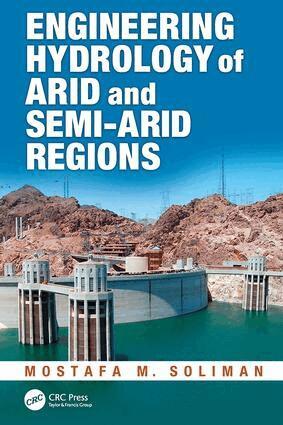
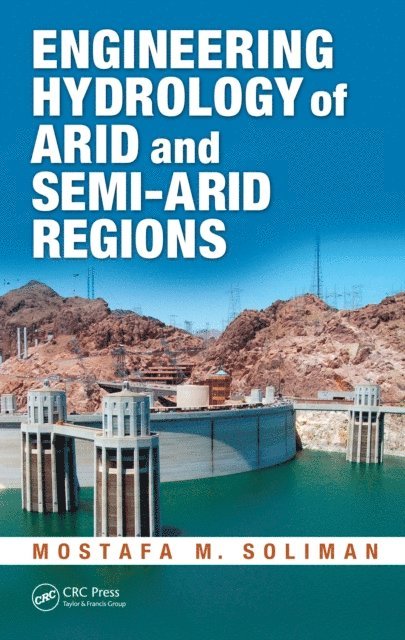
The natural scarcity of water in arid and semiarid regions, aggravated by man-made factors, makes it difficult to achieve a reliable water resources supply. Communities in these areas pay the price for thousands of years of water manipulation. Presenting important insight into the complexities of arid region hydrology, Engineering Hydrology of Arid and Semi-Arid Regions explores the key components for formulating and implementing integrated management approaches in catchment (wadi) systems.The book introduces the engineering hydrology of arid and semi-arid regions, covering meteorological processes and hydrology. The author discusses precipitation and precipitation losses, catchment characteristics, and runoff estimation methods. He also examines streamflow measurements and hydrographs, flood routing, and groundwater hydrology, including the basic equations of groundwater flow and analytic solutions describing flow aquifers, pumping tests, and salt water intrusion. Building on this foundation, the book then delineates sediment yield in watersheds and streams and the design of hydraulic structures for protection and management of water resources systems. It includes case studies, conversion tables, and modeling software.During the last two decades, research efforts and networking have enhanced the state of knowledge about arid and semi-arid areas, especially watershed and catchment systems. Pulling this information together into a comprehensive resource, this book provides a better understanding of wadi hydrology, capacity-building processes, water education and training, and institutional development. This understanding can then be used to select the appropriate tools to support water management and optimize the sustainable use of water resources."When the well is dry, we learn the worth of water" — Benjamin Franklin
1 438 kr
Tillfälligt slut
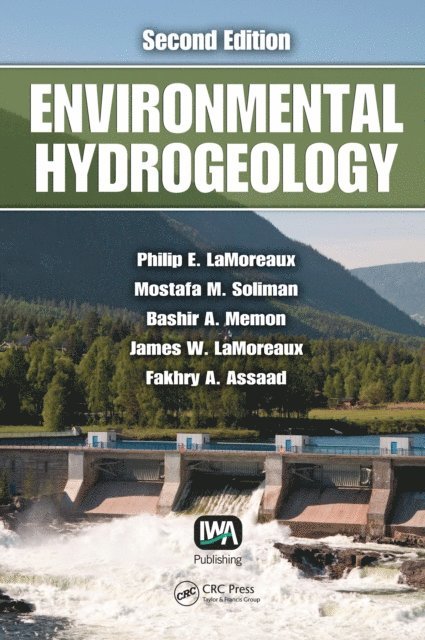
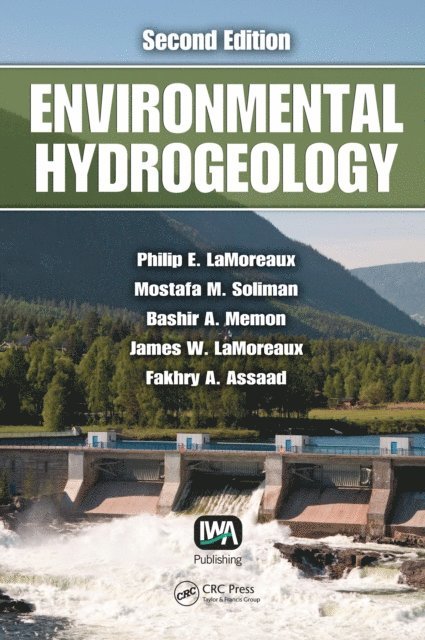
Headlines continue to blare news of climate change, tangential catastrophic events, and dwindling energy resources. Written by respected practitioners, and geared to practitioners and students, Environmental Hydrogeology, Second Edition explores the role that hydrogeology can play in solving challenging environmental problems. New in the Second Edition: Coverage of groundwater rechargingExploration of geology of sink hole prone areas A case study of how salt-water springs were drawn down to manageable levels in the Red River Comprehensive Coverage from Trusted Experts The authors provide a complete introduction to the fast-growing and evolving field of environmental hydrogeology and its future. The second edition includes completely updated material and select new case studies. Matching the caliber of coverage found in the previous edition, the authors explore topics such as the geological aspects of disposal sites, surface water hydrogeology, groundwater hydrology and wells, environmental impacts and the hydrological system, and more. They also include types, sources, and properties of waste products, and propose waste management programs for groundwater protection. Explore Applications and Solutions Looming threats such as climate change, water pollution, acid rain, and air pollution extend beyond national boundaries and span the gaps between continents. An in-depth understanding of hydrogeology will be necessary to resolve these problems. Focusing on science rather than the regulations of any particular jurisdiction, the authors explore a variety of solutions and practical applications to issues such as groundwater recharging and protection.
2 996 kr
Skickas inom 10-15 vardagar
The natural scarcity of water in arid and semiarid regions, aggravated by man-made factors, makes it difficult to achieve a reliable water resources supply. Communities in these areas pay the price for thousands of years of water manipulation. Presenting important insight into the complexities of arid region hydrology, Engineering Hydrology of Arid and Semi-Arid Regions explores the key components for formulating and implementing integrated management approaches in catchment (wadi) systems.The book introduces the engineering hydrology of arid and semi-arid regions, covering meteorological processes and hydrology. The author discusses precipitation and precipitation losses, catchment characteristics, and runoff estimation methods. He also examines streamflow measurements and hydrographs, flood routing, and groundwater hydrology, including the basic equations of groundwater flow and analytic solutions describing flow aquifers, pumping tests, and salt water intrusion. Building on this foundation, the book then delineates sediment yield in watersheds and streams and the design of hydraulic structures for protection and management of water resources systems. It includes case studies, conversion tables, and modeling software.During the last two decades, research efforts and networking have enhanced the state of knowledge about arid and semi-arid areas, especially watershed and catchment systems. Pulling this information together into a comprehensive resource, this book provides a better understanding of wadi hydrology, capacity-building processes, water education and training, and institutional development. This understanding can then be used to select the appropriate tools to support water management and optimize the sustainable use of water resources."When the well is dry, we learn the worth of water" — Benjamin Franklin