Mounia Chekhab-Abudaya – författare
Visar alla böcker från författaren Mounia Chekhab-Abudaya. Handla med fri frakt och snabb leverans.
3 produkter
3 produkter
Del 91 - Cambridge Monographs in African Archaeology
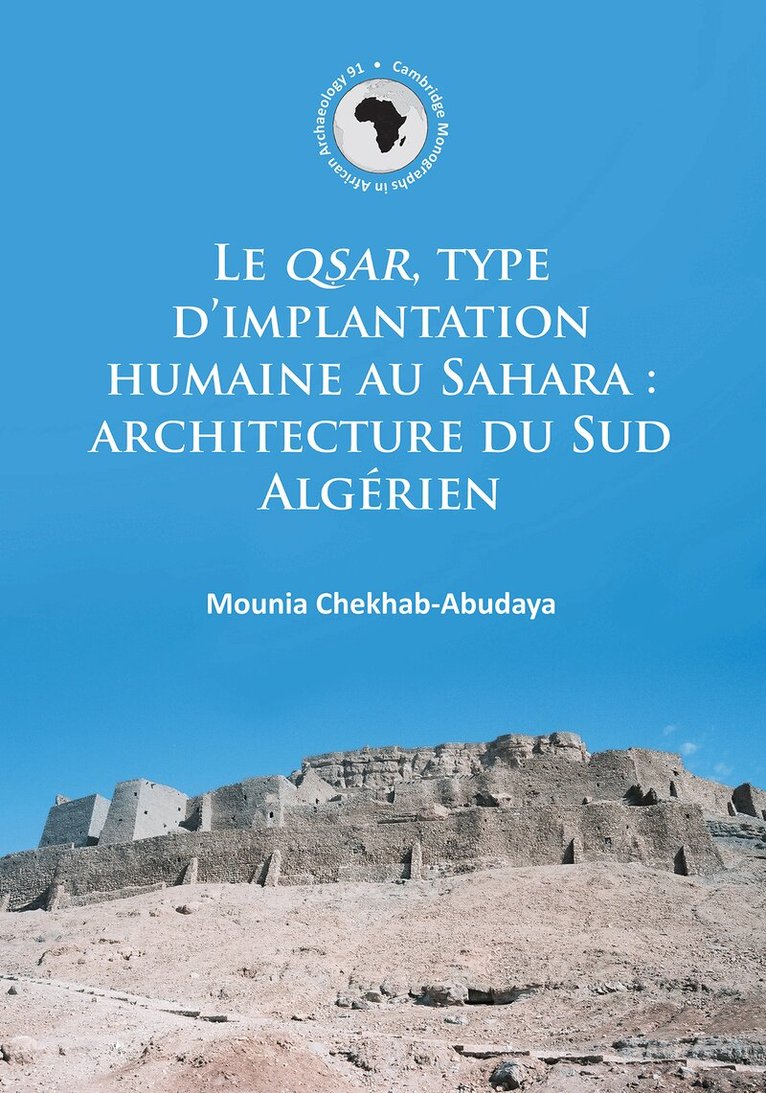
QSAR, type d’implantation humaine au Sahara: architecture du Sud Algérien
Häftad, Franska, 2016
755 kr
Skickas
The qṣar corresponds to a type of human settlement widely distributed in the Sahara desert, including many examples located today in southern Morocco, southern Algeria, southern Tunisia, Libya, Mauritania and Mali. This architectural model is characterised by its use over a wide-ranging time span – probably since the early first millennium BC according to ancient structures recorded by the archaeologist Mattingly in the Libyan Fazzān. This volume, through the systematic analysis and comparison of some qṣūr of southeastern Algeria (Rīġ, Mzāb, Miya and al-Manī‘a), reveals common architectural features that can be used to identify a common type of qṣar in this region. The analysis of the construction material shows the primary use of limestone with a local mortar (timchent) and date palm trunks (phoenix dactylifera) for the structural elements (ceilings, doors, arcs, domes). Adobe bricks (ṭūb) are used in the housing and the defence systems punctuated by towers and pierced doors. Despite a discontinuity within the historical narrative, the establishment of populations in this area of the Sahara appears to be much earlier than the medieval period and the qṣar is certainly not a creation ex nihilo of the modern era. Because of their numerous modifications and extensions over several centuries, the qṣūr problematise the dating of such settlements. However, the comparison of its main components encourages the development of a typology to identify some common characteristics that would help position the qṣar among the urban planning of the dār al-islām.
485 kr
Skickas inom 7-10 vardagar
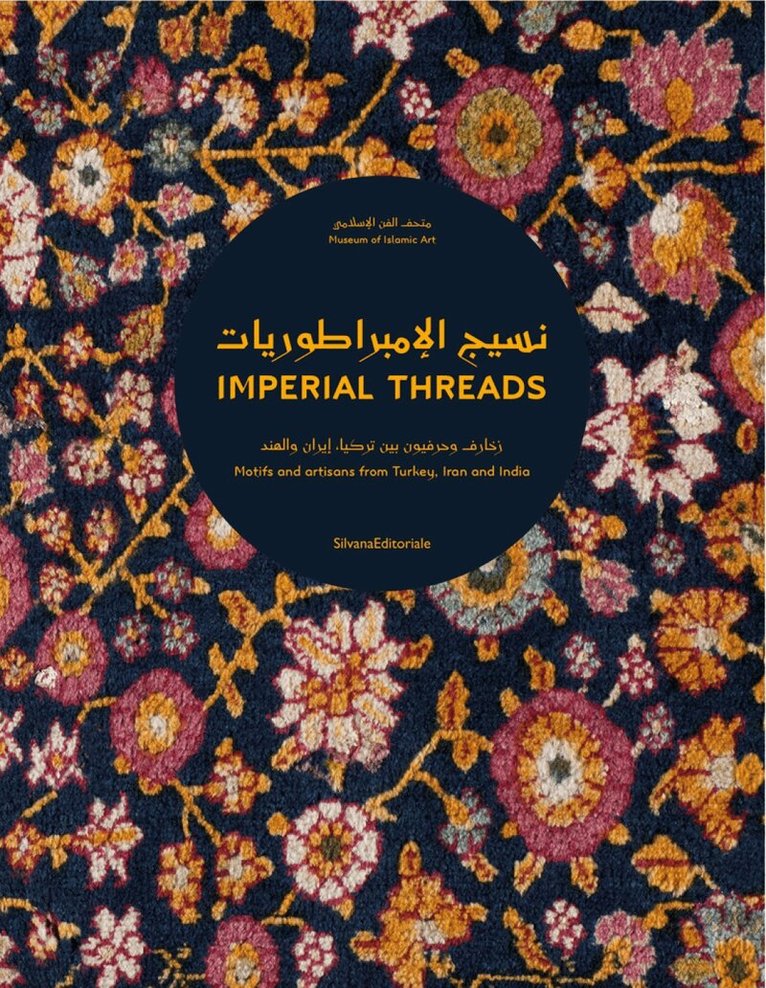
Between war, diplomatic relations and political changes, precious objects were transferred across borders, whether as gifts or war booty, and artists pursued careers from one workshop to another. With this interaction, an entirely new distinctive range of motifs emerged, referencing and building upon earlier Islamic tradition and foreign artistic influences. Through the high level of patronage and artistic craftsmanship, patrons and artists succeeded in shaping this cultural exchange. Text in English and Arabic.
400 kr
Skickas inom 7-10 vardagar