M.S.A. Kumar – författare
Visar alla böcker från författaren M.S.A. Kumar. Handla med fri frakt och snabb leverans.
4 produkter
Organ Transplantation
Av George J. M. Abouna, Arthur G. White m. fl.
Inbunden, 1991
905 kr
Lägg i varukorg
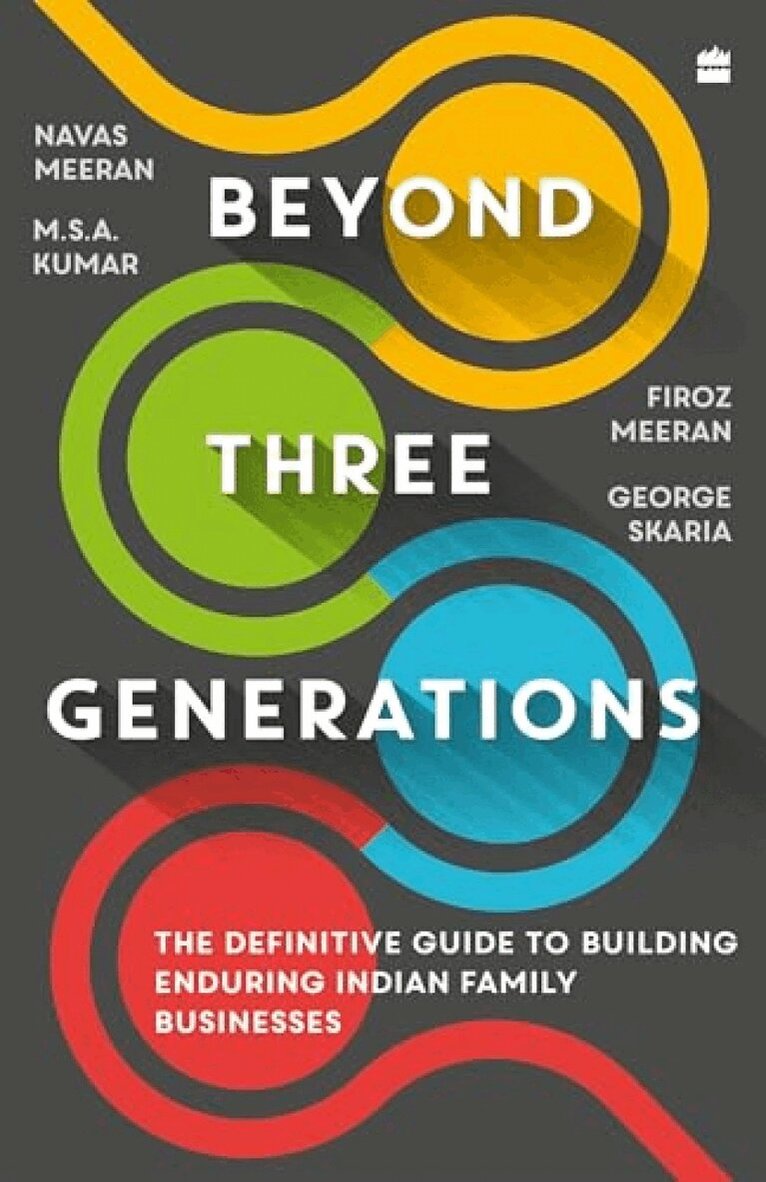
Beyond Three Generations
The Definitive Guide To Building Enduring Indian Family Businesses
Av Navas Meeran, M.S.A. Kumar m. fl.
Häftad, 2025
191 kr
Lägg i varukorg
Various global studies over the decades have shown that only a handful of family businesses survive beyond the third generation, while more than 90 percent flounder. Why? What is the secret sauce that keeps these organizations going strong from one generation to the next? Can their models be …
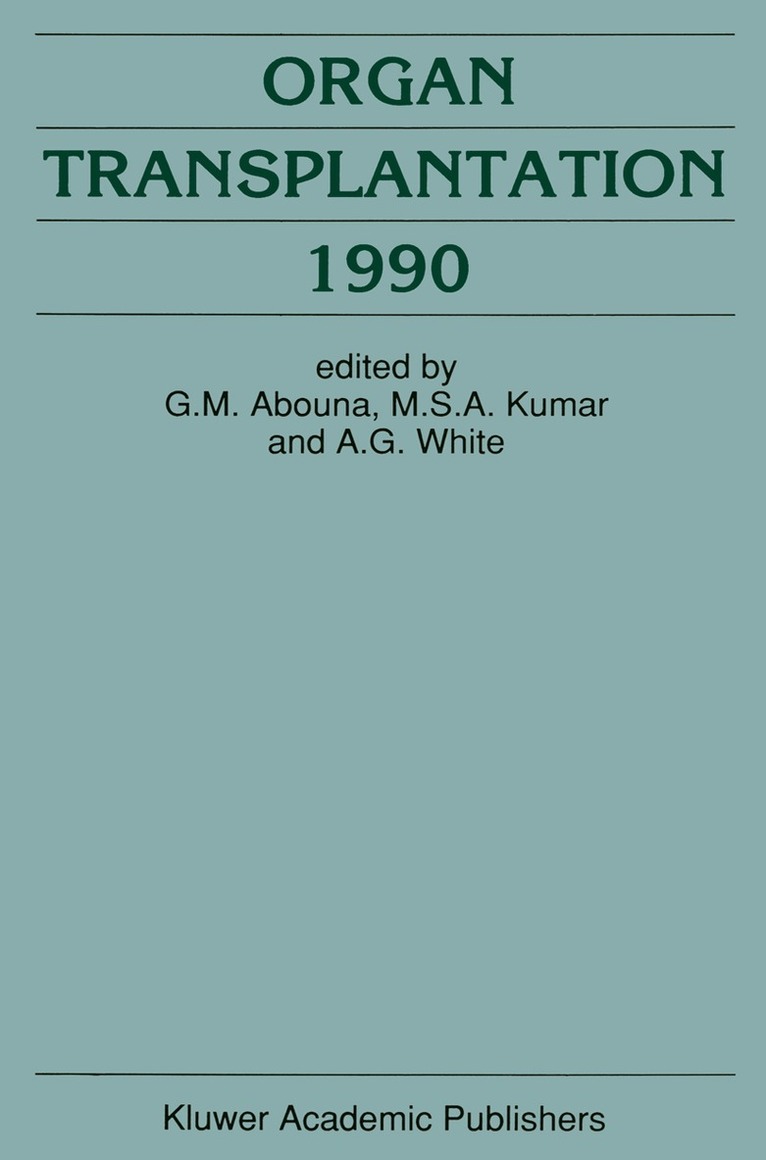
Organ Transplantation 1990
Av G.M. Abouna, M.S.A. Kumar m. fl.
Häftad, 2012
569 kr
Lägg i varukorg
This volume is based on a very successful meeting on organ transplantation that was held in Kuwait in 1990 under the auspices of the Middle East Society for Organ Transplantation. An international group of organ transplant experts attended this conference and their contributions and deliberations …
Organ Transplantation 1990
Av A.G. White, M.S.A. Kumar m. fl.
E-bok, 2012
732 kr
Lägg i varukorg
This volume is based on a very successful meeting on organ transplantation that was held in Kuwait in 1990 under the auspices of the Middle East Society for Organ Transplantation. An international group of organ transplant experts attended this conference and their contributions and deliberations …