Mukhtar H Ali – författare
Visar alla böcker från författaren Mukhtar H Ali. Handla med fri frakt och snabb leverans.
8 produkter
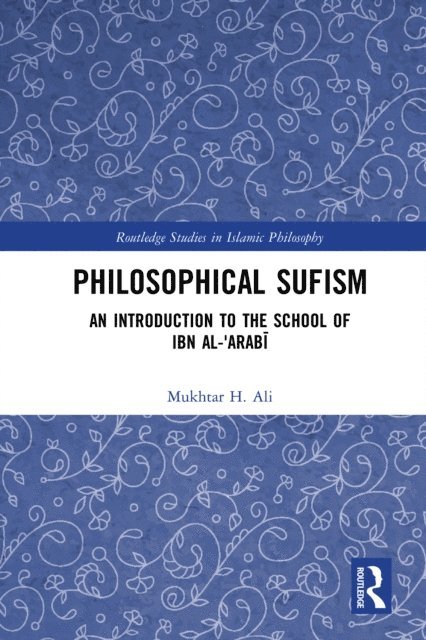
Philosophical Sufism
An Introduction to the School of Ibn al-''Arabi
E-bok, 2021
676 kr
Lägg i varukorg
Analyzing the intersection between Sufism and philosophy, this volume is a sweeping examination of the mystical philosophy of Muḥyī-l-Dīn Ibn al-ʿArabī (d. 637/1240), one of the most influential and original thinkers of the Islamic world. This book systematically covers Ibn al-ʿArabī’s ontology, …
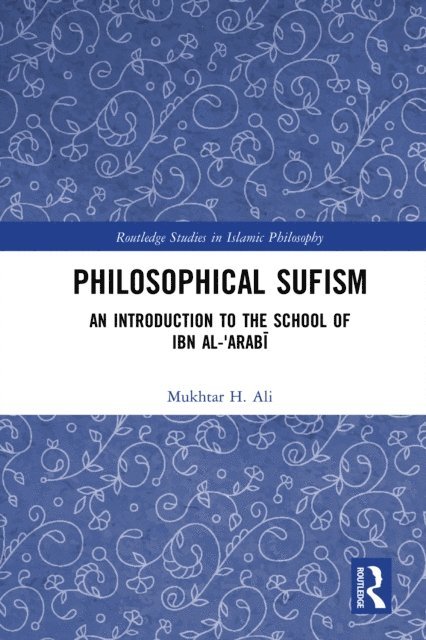
Philosophical Sufism
An Introduction to the School of Ibn al-''Arabi
E-bok, 2021
676 kr
Lägg i varukorg
Analyzing the intersection between Sufism and philosophy, this volume is a sweeping examination of the mystical philosophy of Muḥyī-l-Dīn Ibn al-ʿArabī (d. 637/1240), one of the most influential and original thinkers of the Islamic world. This book systematically covers Ibn al-ʿArabī’s ontology, …
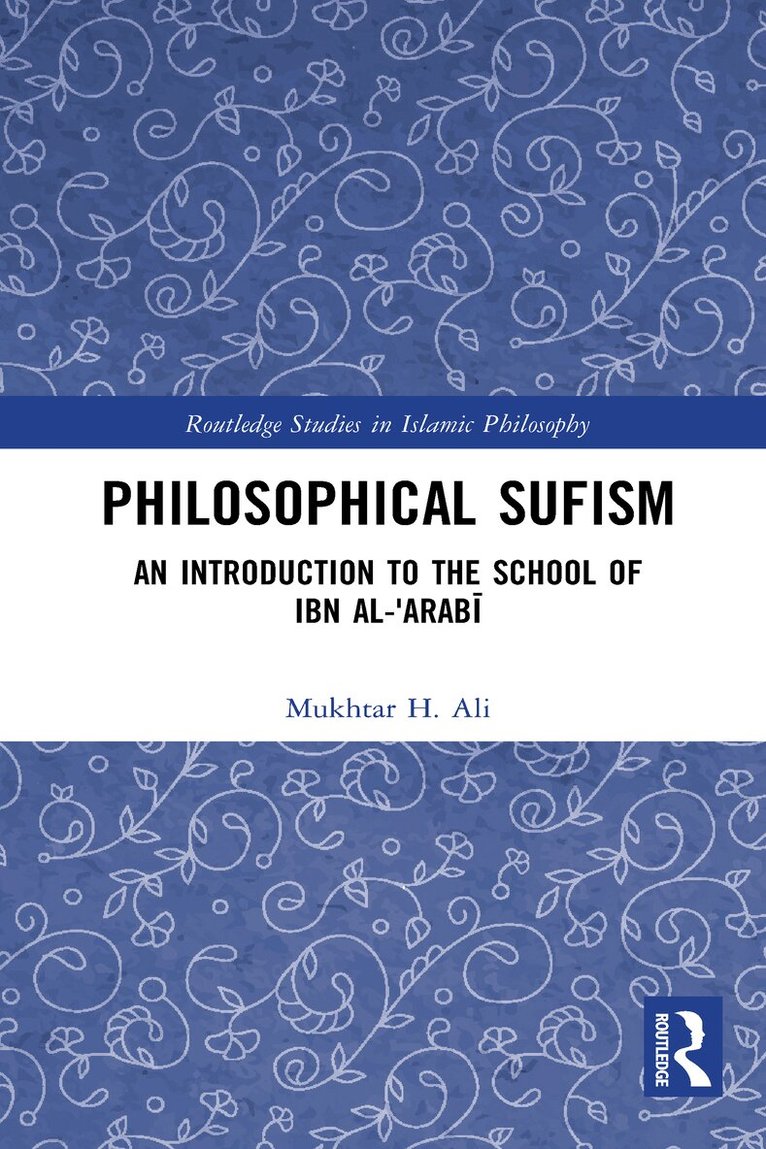
Philosophical Sufism
An Introduction to the School of Ibn al-'Arabi
Inbunden, 2021
2504 kr
Lägg i varukorg
Analyzing the intersection between Sufism and philosophy, this volume is a sweeping examination of the mystical philosophy of Muḥyī-l-Dīn Ibn al-ʿArabī (d. 637/1240), one of the most influential and original thinkers of the Islamic world. This book systematically covers Ibn al-ʿArabī’s ontology, …
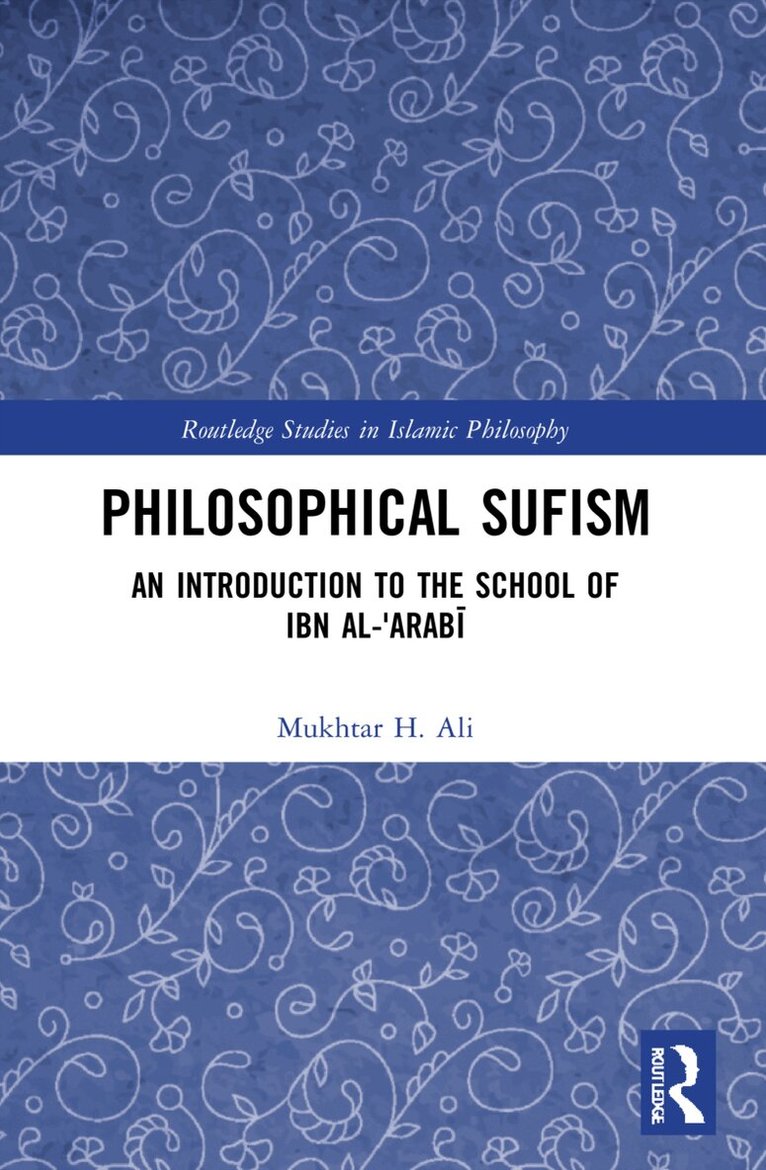
Philosophical Sufism
An Introduction to the School of Ibn al-'Arabi
Häftad, 2023
646 kr
Lägg i varukorg
Analyzing the intersection between Sufism and philosophy, this volume is a sweeping examination of the mystical philosophy of Muḥyī-l-Dīn Ibn al-ʿArabī (d. 637/1240), one of the most influential and original thinkers of the Islamic world. This book systematically covers Ibn al-ʿArabī’s ontology, …
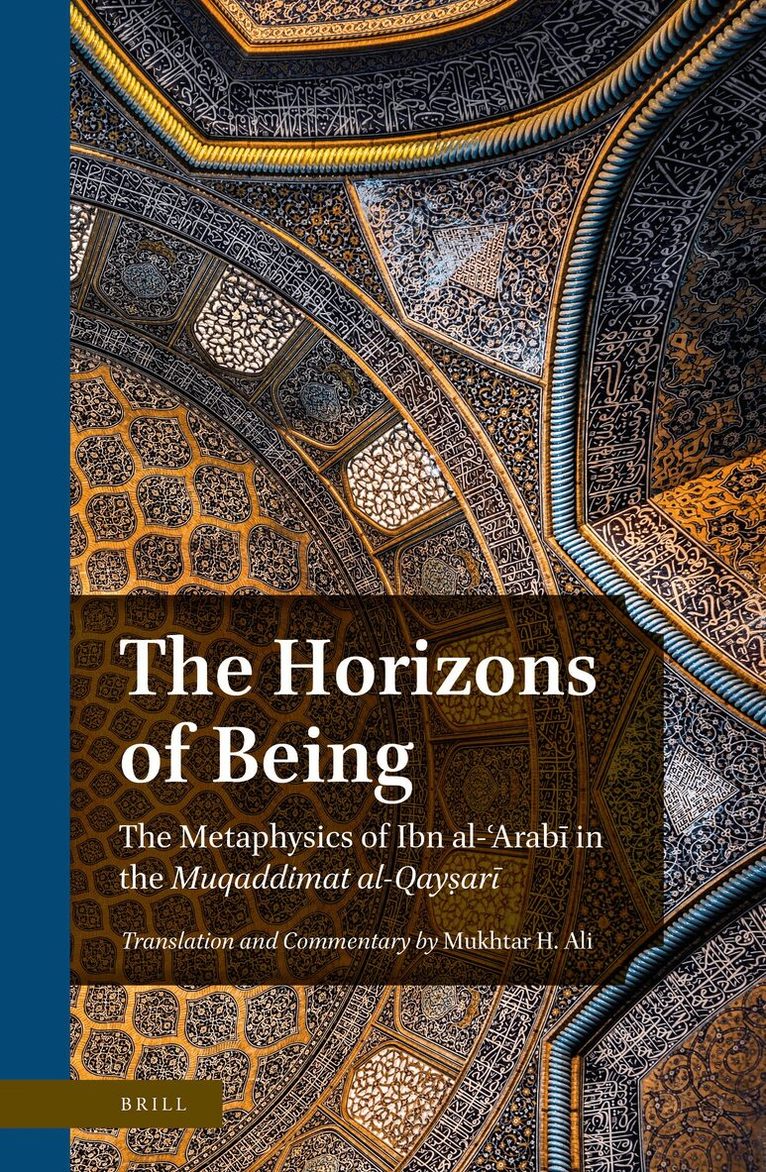
Horizons of Being
The Metaphysics of Ibn al-ʿArabī in the Muqaddimat al-Qayṣarī
Inbunden, 2020
2148 kr
Lägg i varukorg
The Horizons of Being explores the teachings of Ibn al-ʿArabī by examining Dāwūd al-Qayṣarī’s (d. 751/1350) Prolegomena to his commentary on the Fuṣūṣ al-ḥikam, popularly known as the Muqaddimat al-Qayṣarī. A masterpiece of Sufism, the Muqaddima is both a distillation of the Fuṣūṣ and a summary of …
Horizons of Being
The Metaphysics of Ibn al-ʿArabī in the Muqaddimat al-Qayṣarī
Häftad, 2026
849 kr
Lägg i varukorg
The Horizons of Being explores the teachings of Ibn al-ʿArabī by examining Dāwūd al-Qayṣarī’s (d. 751/1350) Prolegomena to his commentary on the Fuṣūṣ al-ḥikam, popularly known as the Muqaddimat al-Qayṣarī. A masterpiece of Sufism, the Muqaddima is both a distillation of the Fuṣūṣ and a summary of …
Inscriptions of Wisdom
The Sufism of Ibn al-ʿArabī in the Mirror of Jāmī
Häftad, 2026
435 kr
Lägg i varukorg
Two important texts in the Sufi tradition made available together in English for the first time.Inscriptions of Wisdom brings together, for the first time in English, two pivotal Sufi texts that illuminate Ibn al-ʿArabī's (d. 1240) celebrated work Fuṣūṣ al-ḥikam. The first, Naqsh al-Fuṣūṣ (the …