Münevver Cebeci - Böcker
Visar alla böcker från författaren Münevver Cebeci. Handla med fri frakt och snabb leverans.
2 produkter
2 produkter
1 703 kr
Skickas inom 10-15 vardagar
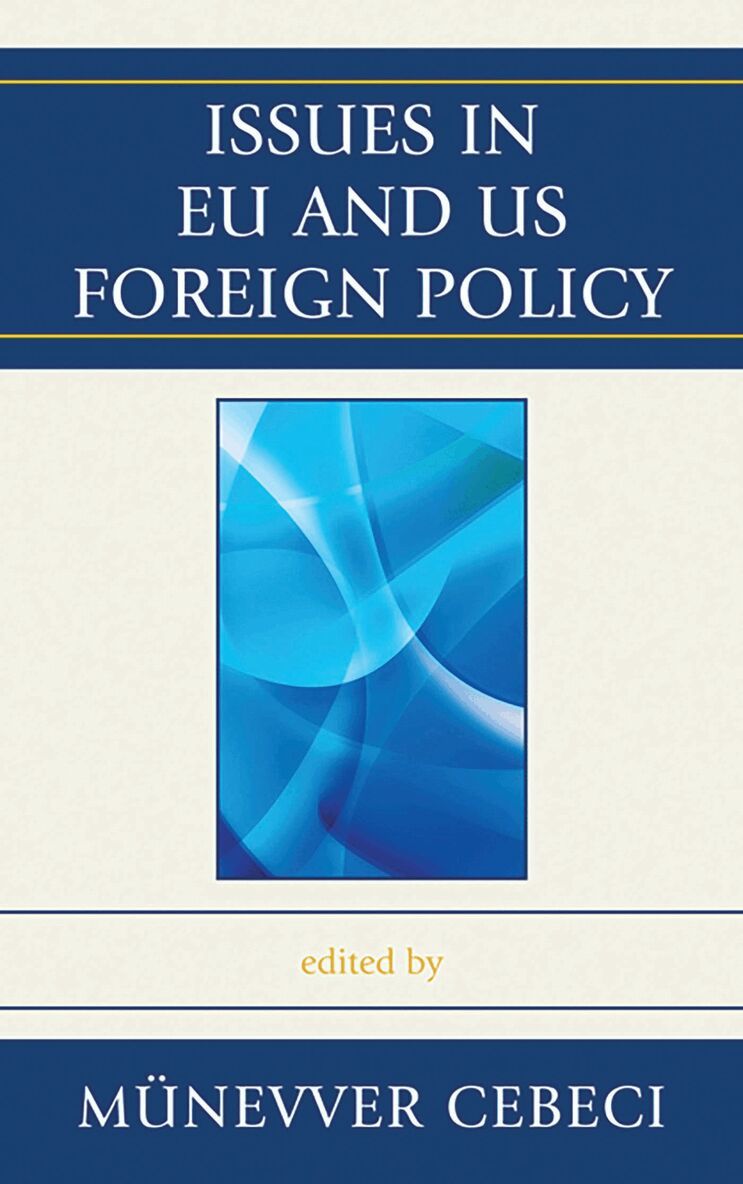
Issues in E.U. and U.S. Foreign Policy, edited by Münevver Cebeci, aims at analyzing the perceptions, interests, and policies of the EU and the US on various international issues. It portrays their convergences and divergences, and reflects on their interplay. The book has a geographical focus rather than a thematic one; however, some themes such as weapons of mass destruction, dual use technology transfer, energy security, and democratization, are unavoidable within their respective geographical contexts. For example, the authors inquire into the case of Iran with a special focus on nuclear proliferation; they investigate Russia with a significant emphasis on energy security; Iraq is examined with a discussion on the withdrawal of occupation troops; and, finally, the authors address the case of China with a debate on dual use technology transfer. Issues in European Union and U.S. Foreign Policy is composed of two parts: The first involves an inventive theoretical framework for understanding EU and US foreign policy. The analysis extends beyond traditional approaches that seek to explain US and EU foreign policy through various dichotomies such as soft power versus hard power without overlooking the significance of such dichotomies. This section further discusses how European and American scholars approach transatlantic relations in different ways. The second section covers an intensive comparative analysis of EU and US foreign policy on specific issue areas. Some chapters also deal with the impact of their policy divergences and convergences on transatlantic relations and NATO. Nevertheless, the book aims to go beyond the parochial debates of burden-sharing or division of labor in transatlantic relations. It focuses on—and actually proposes—a broader framework of cooperation and coordination for the EU and the US.
1 142 kr
Skickas inom 10-15 vardagar
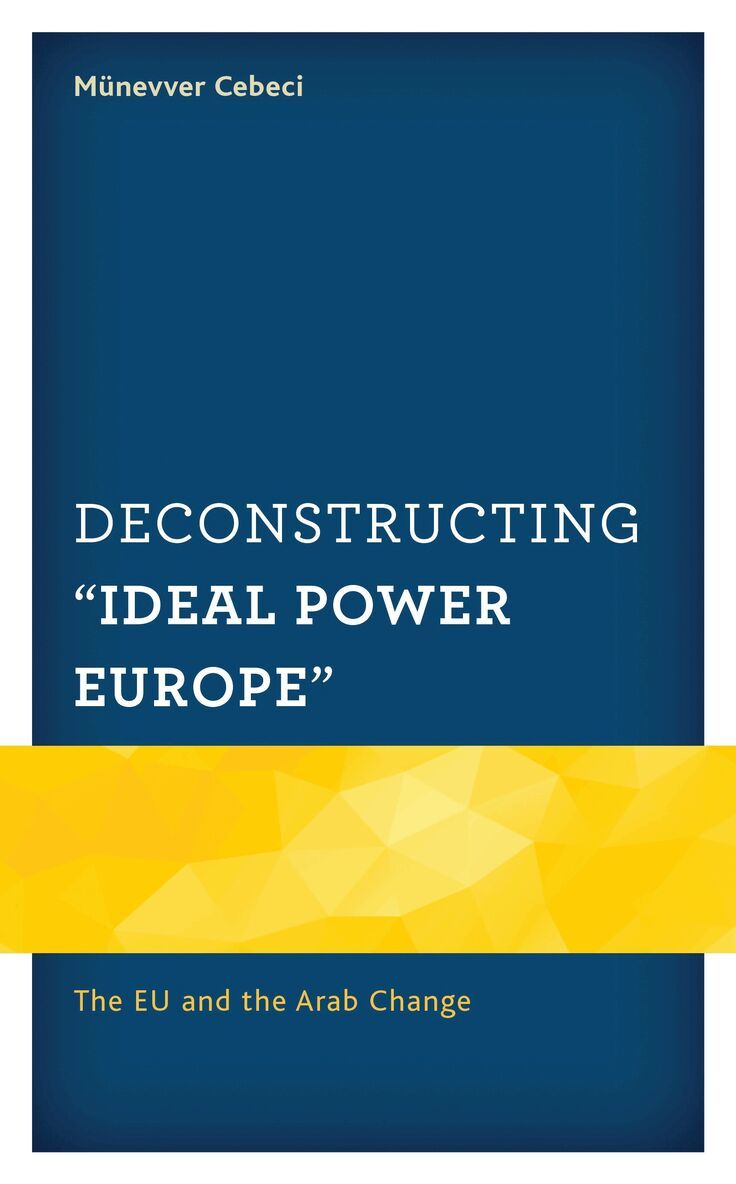
Deconstructing “Ideal Power Europe”: The EU and Arab Change criticizes the dominant discourse on European foreign policy, which represents the EU as a force for good in world politics. Using a poststructuralist approach, it deconstructs the EU’s representation as “an ideal power” through an analysis of European foreign policy on the Southern Mediterranean before and after the Arab uprisings. In this endeavor, it displaces three major discourses which construct the EU as “ideal”: the “postmodern and post-sovereign EU”, “the EU as a model/a virtuous example”, and, “the EU as a normative power” discourses. The major argument of the book is that the “ideal power Europe” meta-narrative is especially produced and reproduced in the EU’s approach towards the Southern Mediterranean, and, it manifests itself through the rhetoric of “responsibility” and “universality” in the aftermath of the Arab uprisings. The book also provides an analysis of how the “ideal power Europe” meta-narrative feeds into and legitimizes European governmentality in the world, in general, and, in the case of the Southern Mediterranean after the Arab uprisings, in particular. Arguing that the depiction of the EU as postmodern/post-sovereign, as a model/an exemplar, and as a normative power pertains to the representation of a “regulatory ideal”, it elucidates how the EU pursues hegemonic practices in the Southern Mediterranean. It further manifests how the EU’s governmentality is marked by a securitized, depoliticizing, and technocratic approach which feeds into and gets legitimized by the dominant discourse on European foreign policy; reproducing the EU’s “ideal” identity vis-à-vis its “imperfect” Arab other.