Murray G Phillips – författare
Visar alla böcker från författaren Murray G Phillips. Handla med fri frakt och snabb leverans.
14 produkter
Sport History in the Digital Era
Av Gary Osmond, Murray G Phillips
Inbunden, 2015
735 kr
Lägg i varukorg
From statistical databases to story archives, from fan sites to the real-time reactions of Twitter-empowered athletes, the digital communication revolution has changed the way sports fans relate to their favorite teams. In this volume, contributors from Australia, Ireland, New Zealand, the United …
Sport History in the Digital Era
Av Gary Osmond, Murray G Phillips
E-bok, 2015
904 kr
Lägg i varukorg
From statistical databases to story archives, from fan sites to the real-time reactions of Twitter-empowered athletes, the digital communication revolution has changed the way sports fans relate to their favorite teams. In this volume, contributors from Australia, Ireland, New Zealand, the United …
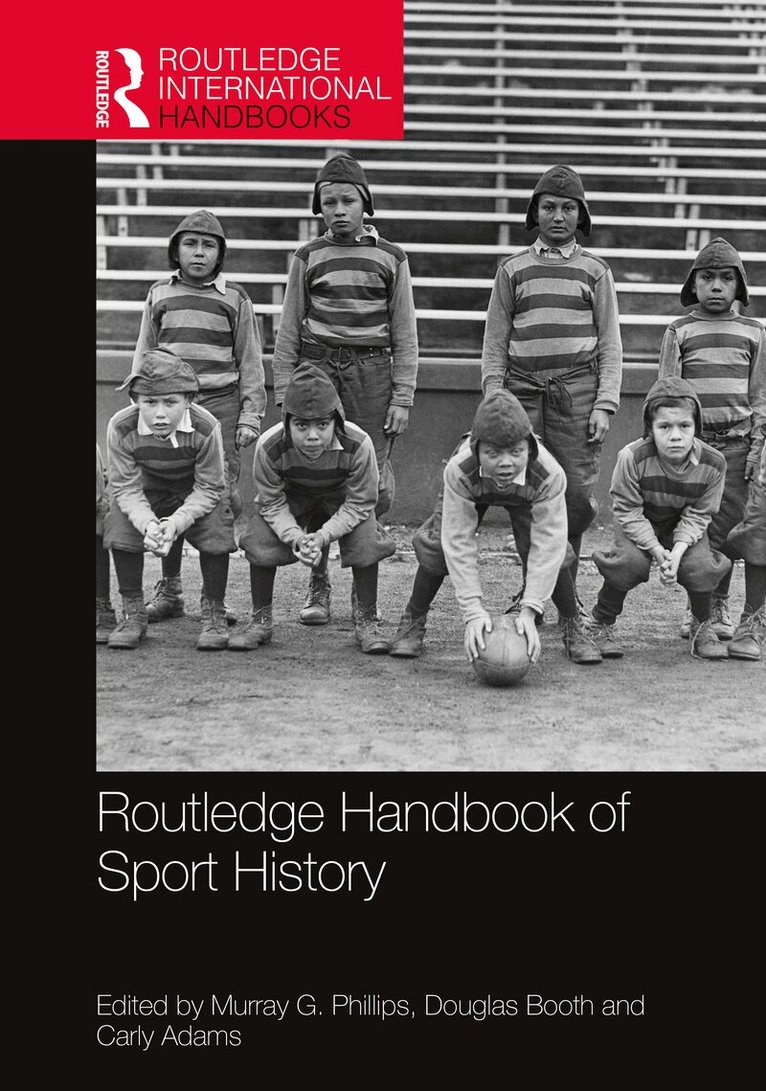
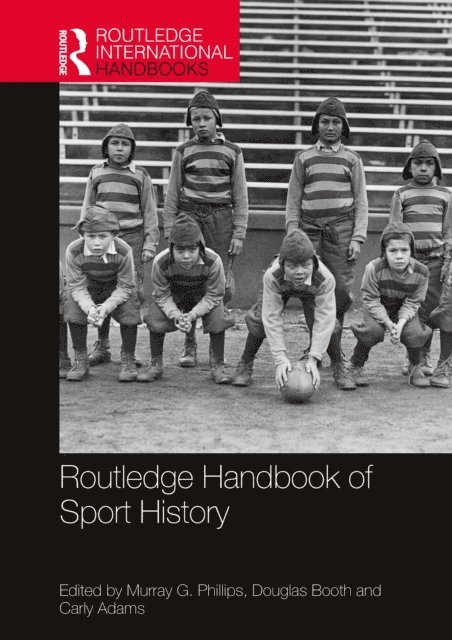
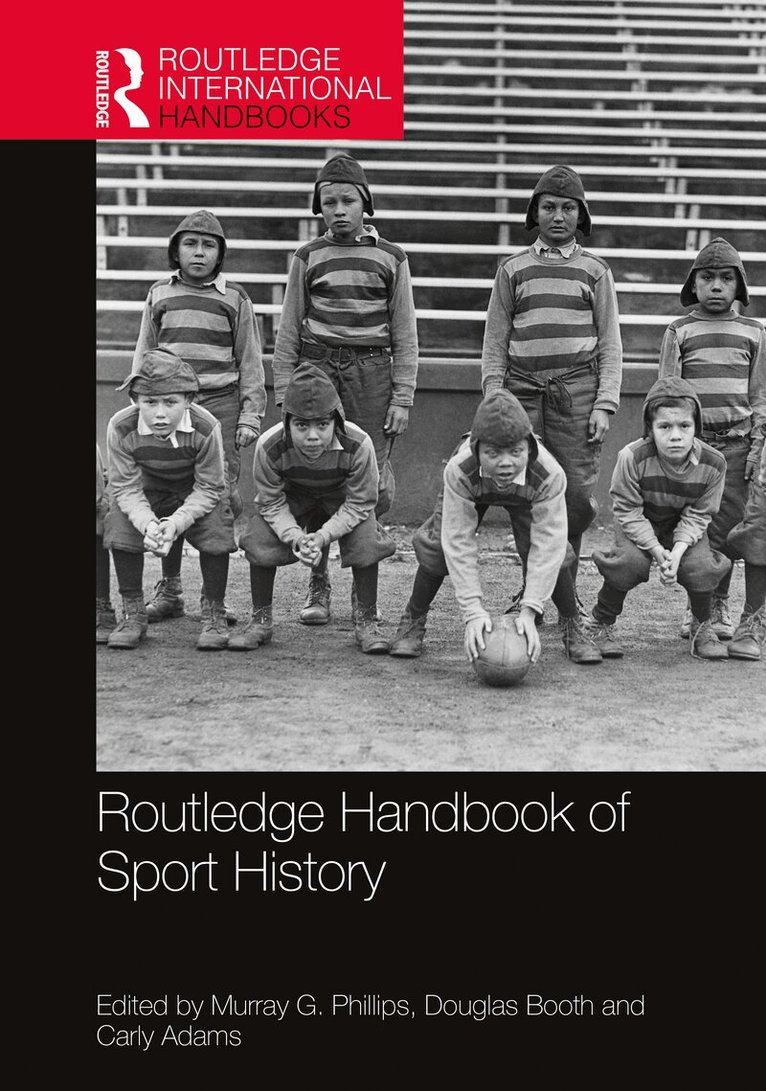
Routledge Handbook of Sport History
Av Murray G. Phillips, Douglas Booth m. fl.
Inbunden, 2021
3906 kr
Lägg i varukorg
The Routledge Handbook of Sport History is a new and innovative survey of the discipline of sport history. Global in scope, it examines the key contemporary issues in sports historiography, sheds light on previously ignored topics, and sets an intellectual agenda for the future development of the …
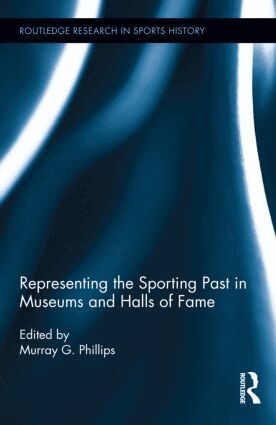
Representing the Sporting Past in Museums and Halls of Fame
Häftad, 2013
937 kr
Lägg i varukorg
We live in a "museum age," and sport museums are part of this phenomenon. In this book, leading international sport history scholars examine sport museums including renowned institutions like the Olympic Museum in the Swiss city of Lausanne, the Babe Ruth Birthplace and Museum in Baltimore, the …
Representing the Sporting Past in Museums and Halls of Fame
Inbunden, 2011
2826 kr
Lägg i varukorg
We live in a "museum age," and sport museums are part of this phenomenon. In this book, leading international sport history scholars examine sport museums including renowned institutions like the Olympic Museum in the Swiss city of Lausanne, the Babe Ruth Birthplace and Museum in Baltimore, the …
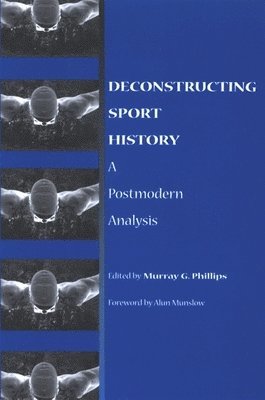
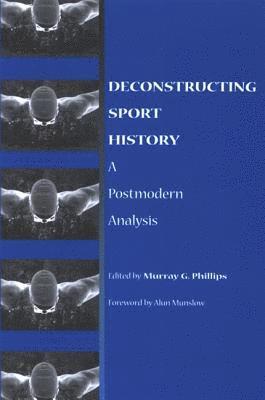
Deconstructing Sport History
A Postmodern Analysis
Häftad, 2005
477 kr
Lägg i varukorg
Presents a broad spectrum of critical approaches that question traditional sport history.This groundbreaking collection challenges the accepted principles and practices of sport history and encourages sport historians to be more adventurous in their representations of the sporting past in the …
Routledge Handbook of Sport History
Av Carly Adams, Douglas Booth m. fl.
E-bok, 2021
874 kr
Lägg i varukorg
The Routledge Handbook of Sport History is a new and innovative survey of the discipline of sport history. Global in scope, it examines the key contemporary issues in sports historiography, sheds light on previously ignored topics, and sets an intellectual agenda for the future development of the …
Routledge Handbook of Sport History
Av Carly Adams, Douglas Booth m. fl.
E-bok, 2021
855 kr
Lägg i varukorg
The Routledge Handbook of Sport History is a new and innovative survey of the discipline of sport history. Global in scope, it examines the key contemporary issues in sports historiography, sheds light on previously ignored topics, and sets an intellectual agenda for the future development of the …
Routledge Handbook of Sport History
Av Murray G. Phillips, Douglas Booth m. fl.
Häftad, 2023
742 kr
Lägg i varukorg
The Routledge Handbook of Sport History is a new and innovative survey of the discipline of sport history. Global in scope, it examines the key contemporary issues in sports historiography, sheds light on previously ignored topics, and sets an intellectual agenda for the future development of the …
Representing the Sporting Past in Museums and Halls of Fame
E-bok, 2013
1106 kr
Lägg i varukorg
We live in a "museum age," and sport museums are part of this phenomenon. In this book, leading international sport history scholars examine sport museums including renowned institutions like the Olympic Museum in the Swiss city of Lausanne, the Babe Ruth Birthplace and Museum in Baltimore, the …
Representing the Sporting Past in Museums and Halls of Fame
E-bok, 2013
1082 kr
Lägg i varukorg
We live in a "museum age," and sport museums are part of this phenomenon. In this book, leading international sport history scholars examine sport museums including renowned institutions like the Olympic Museum in the Swiss city of Lausanne, the Babe Ruth Birthplace and Museum in Baltimore, the …
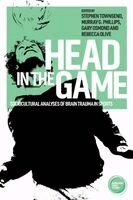
Head in the game
Sociocultural analyses of brain trauma in sport
Av Stephen Townsend, Murray G. Phillips m. fl.
Inbunden, 2025
1337 kr
Lägg i varukorg
Head in the game brings together international scholars from multiple humanities, social science, and scientific disciplines to critically examine one of the most vexing issues in global sport: concussion. It argues that science and medicine alone cannot solve the concussion crisis: sociocultural …
Head in the game
Sociocultural analyses of brain trauma in sport
Av Stephen Townsend, Murray G. Phillips m. fl.
Häftad, 2027
448 kr
Kommande
Head in the game brings together international scholars from multiple humanities, social science, and scientific disciplines to critically examine one of the most vexing issues in global sport: concussion. It argues that science and medicine alone cannot solve the concussion crisis: sociocultural …
Deconstructing Sport History
A Postmodern Analysis
Inbunden, 2005
1144 kr
Tillfälligt slut
Presents a broad spectrum of critical approaches that question traditional sport history.This groundbreaking collection challenges the accepted principles and practices of sport history and encourages sport historians to be more adventurous in their representations of the sporting past in the …