Mustafa Aksakal – författare
Visar alla böcker från författaren Mustafa Aksakal. Handla med fri frakt och snabb leverans.
9 produkter
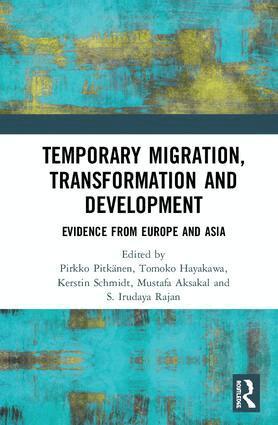
Temporary Migration, Transformation and Development
Evidence from Europe and Asia
Av Pirkko Pitkänen, Tomoko Hayakawa m. fl.
Häftad, 2020
691 kr
Lägg i varukorg
In a world grappling with refugee crisis, political unrest and economies on the verge of collapse, temporary migration has become an increasingly common phenomenon.This volume presents a comprehensive picture of the transformative and development potential of temporary transnational migration in …
Temporary Migration, Transformation and Development
Evidence from Europe and Asia
Av S. Irudaya Rajan, Mustafa Aksakal m. fl.
E-bok, 2019
814 kr
Lägg i varukorg
In a world grappling with refugee crisis, political unrest and economies on the verge of collapse, temporary migration has become an increasingly common phenomenon. This volume presents a comprehensive picture of the transformative and development potential of temporary transnational migration in …
Temporary Migration, Transformation and Development
Evidence from Europe and Asia
Av S. Irudaya Rajan, Mustafa Aksakal m. fl.
E-bok, 2019
814 kr
Lägg i varukorg
In a world grappling with refugee crisis, political unrest and economies on the verge of collapse, temporary migration has become an increasingly common phenomenon. This volume presents a comprehensive picture of the transformative and development potential of temporary transnational migration in …
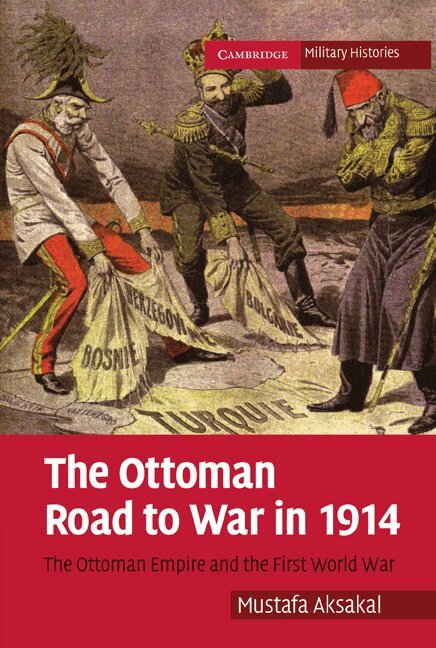
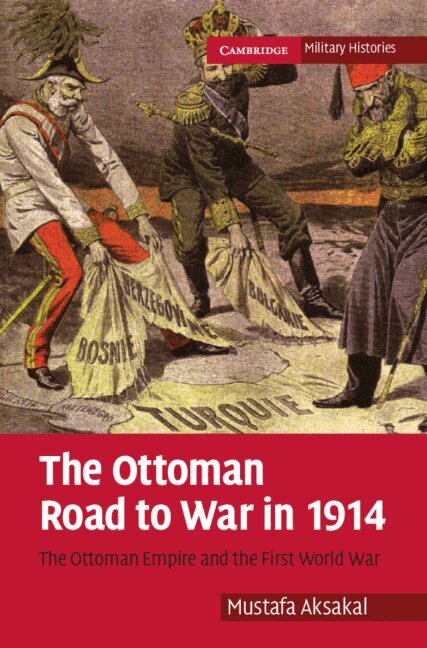
The Ottoman Road to War in 1914
The Ottoman Empire and the First World War
Häftad, 2010
376 kr
Lägg i varukorg
Why did the Ottoman Empire enter the First World War in late October 1914, months after the war's devastations had become clear? Were its leaders 'simple-minded,' 'below-average' individuals, as the doyen of Turkish diplomatic history has argued? Or, as others have claimed, did the Ottomans enter …
The Ottoman Road to War in 1914
The Ottoman Empire and the First World War
Inbunden, 2008
1641 kr
Lägg i varukorg
Why did the Ottoman Empire enter the First World War in late October 1914, months after the war's devastations had become clear? Were its leaders 'simple-minded,' 'below-average' individuals, as the doyen of Turkish diplomatic history has argued? Or, as others have claimed, did the Ottomans enter …
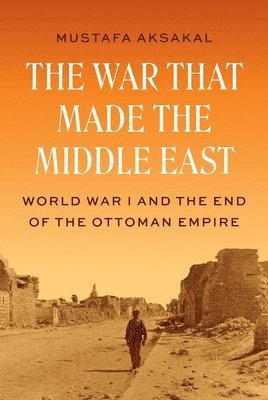
War That Made the Middle East
World War I and the End of the Ottoman Empire
Inbunden, 2026
290 kr
Lägg i varukorg
A new history that tells the story of how European imperial ambitions destroyed the Ottoman Empire during the Great War and created a divided and unstable Middle EastThe Ottoman Empire’s collapse at the end of the First World War is often treated as a foregone conclusion. It was only a matter of …
Temporary Migration, Transformation and Development
Evidence from Europe and Asia
Av Pirkko Pitkänen, Tomoko Hayakawa m. fl.
Inbunden, 2019
2512 kr
Lägg i varukorg
In a world grappling with refugee crisis, political unrest and economies on the verge of collapse, temporary migration has become an increasingly common phenomenon.This volume presents a comprehensive picture of the transformative and development potential of temporary transnational migration in …
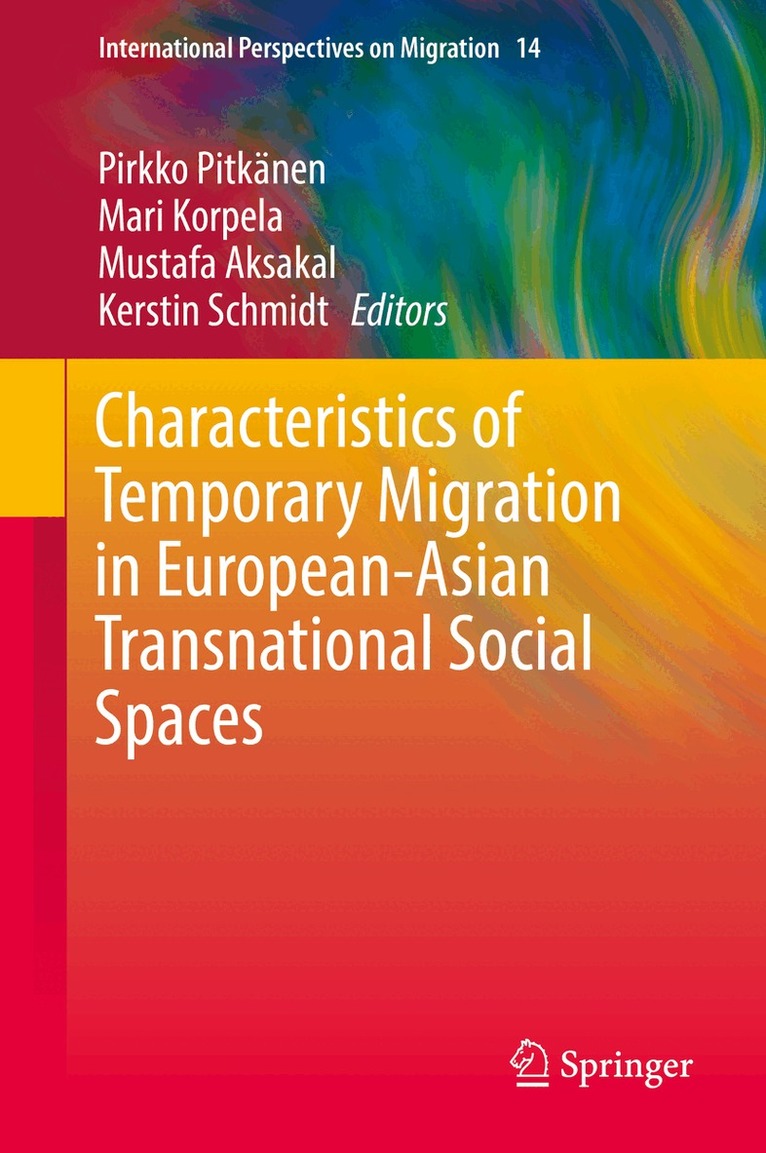
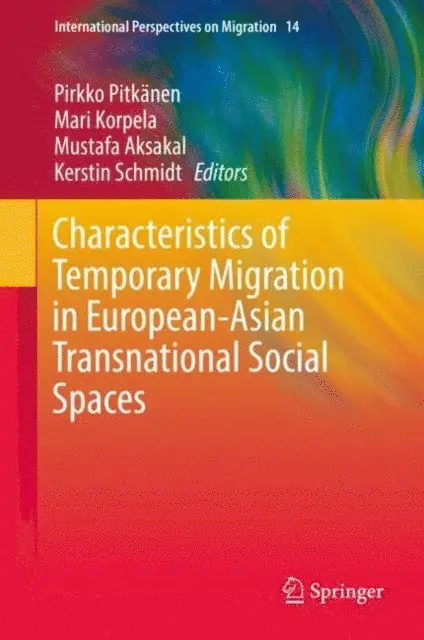
Characteristics of Temporary Migration in European-Asian Transnational Social Spaces
Av Pirkko Pitkänen, Mari Korpela m. fl.
Inbunden, 2017
552 kr
Lägg i varukorg
This book focuses on the experiences of temporary movements between Asia and Europe from the perspective of migrants and mobile people. It raises important questions such as: Why do people migrate on a temporary basis and what does this actually mean? How are these trajectories shaped? What are the …
Characteristics of Temporary Migration in European-Asian Transnational Social Spaces
Av Kerstin Schmidt, Mustafa Aksakal m. fl.
E-bok, 2017
734 kr
Lägg i varukorg
This book focuses on the experiences of temporary movements between Asia and Europe from the perspective of migrants and mobile people. It raises important questions such as: Why do people migrate on a temporary basis and what does this actually mean? How are these trajectories shaped? What are the …