N. B. Lekha - Böcker
Visar alla böcker från författaren N. B. Lekha. Handla med fri frakt och snabb leverans.
3 produkter
3 produkter
3 264 kr
Skickas inom 10-15 vardagar
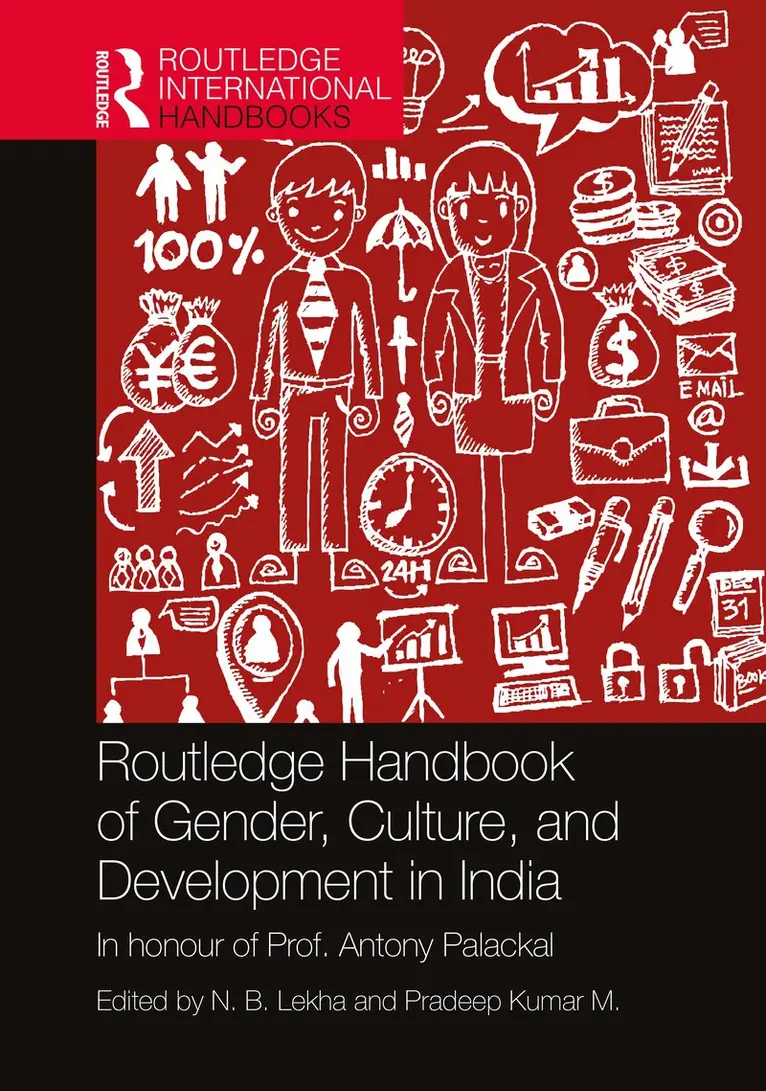
Lekha, Kumar M., and their team of contributors embark on a transformative exploration of 'Intersectionality' in the Indian context, where gender, culture, and development intersect to shape the destinies of diverse groups. Drawing from extensive research and nuanced analyses by scholars across the country and a few scholars on India from outside the country, the handbook uncovers the intricate connections between gender inequalities, cultural norms and practices, and developmental trajectories that illuminate how these factors intersect and shape the lives of individuals, communities, and societies beyond India's borders.The book encompasses discussions on the category of gender and the practice of gender studies, workspace economy, and technology. It explains the intricate intersections between gender, labour, migration, and informal economies, offering a deeper understanding of the composite factors that shape women as the workforce and their role within the workplace and the economy. It also delves into the multifaceted influences of culture on various aspects of society, including gender roles, language, agriculture, and development. The focus upon the sociocultural dimensions connected to the portrayal of gender in the media elaborated on how diverse media platforms, ranging from digital interfaces to televised serials, play a pivotal role in shaping and mirroring gender identities, roles, and societal norms within their specific environments. Most importantly, it critically engages with issues of education, marginalization, inclusion, and sustainable development. Case studies on marginalized communities such as the urban poor, elderly sweepers, and widows contribute to broader discourses on developmental paradigms vis-à-vis poverty and social exclusion.Academics, researchers, and students interested in gender, culture, and development studies will find this handbook invaluable in understanding and addressing gender inequities, cultural imbalances, and development complexities. Policymakers, NGOs, and activists committed to social progress will appreciate the evidence-based insights enabling them for informed actions and policies that transcend conventional boundaries.
698 kr
Skickas inom 10-15 vardagar
Lekha, Kumar M., and their team of contributors embark on a transformative exploration of 'Intersectionality' in the Indian context, where gender, culture, and development intersect to shape the destinies of diverse groups. Drawing from extensive research and nuanced analyses by scholars across the country and a few scholars on India from outside the country, the handbook uncovers the intricate connections between gender inequalities, cultural norms and practices, and developmental trajectories that illuminate how these factors intersect and shape the lives of individuals, communities, and societies beyond India's borders.The book encompasses discussions on the category of gender and the practice of gender studies, workspace economy, and technology. It explains the intricate intersections between gender, labour, migration, and informal economies, offering a deeper understanding of the composite factors that shape women as the workforce and their role within the workplace and the economy. It also delves into the multifaceted influences of culture on various aspects of society, including gender roles, language, agriculture, and development. The focus upon the sociocultural dimensions connected to the portrayal of gender in the media elaborated on how diverse media platforms, ranging from digital interfaces to televised serials, play a pivotal role in shaping and mirroring gender identities, roles, and societal norms within their specific environments. Most importantly, it critically engages with issues of education, marginalization, inclusion, and sustainable development. Case studies on marginalized communities such as the urban poor, elderly sweepers, and widows contribute to broader discourses on developmental paradigms vis-à-vis poverty and social exclusion.Academics, researchers, and students interested in gender, culture, and development studies will find this handbook invaluable in understanding and addressing gender inequities, cultural imbalances, and development complexities. Policymakers, NGOs, and activists committed to social progress will appreciate the evidence-based insights enabling them for informed actions and policies that transcend conventional boundaries.
1 555 kr
Skickas inom 7-10 vardagar
Drawing on a diverse array of international case studies, this book provides an in-depth analysis of how information, exposure, and locative fears shaped global responses to the COVID-19 pandemic. It presents a nuanced understanding of health behavior during crises, exploring issues of public trust, identity, and resistance.Expert authors delve into key cultural and political factors that impacted public perception and policy, including the credibility of information sources, levels of knowledge and preparedness, and the primary fears and behaviors that emerged. Chapters cover responses across Africa, the Americas, Asia, and Europe, integrating insights from medical professionals, scientists, educators, and individuals in various socio-economic contexts. Reflecting on lessons learned from COVID-19, the book suggests valuable guidance for future pandemic preparedness, emphasizing the influence of culture and politics on our actions and attitudes during global health emergencies.This interdisciplinary book is a helpful resource for students and researchers in political science, public policy, sociology, public administration and management, and public health. Policymakers, health professionals, and educators will also benefit from its recommendations for handling future health crises.