N. J. Russell – författare
Visar alla böcker från författaren N. J. Russell. Handla med fri frakt och snabb leverans.
2 produkter
2 produkter
E-bok
PDF, Engelska, 20131 123 kr
Läs direkt efter köp
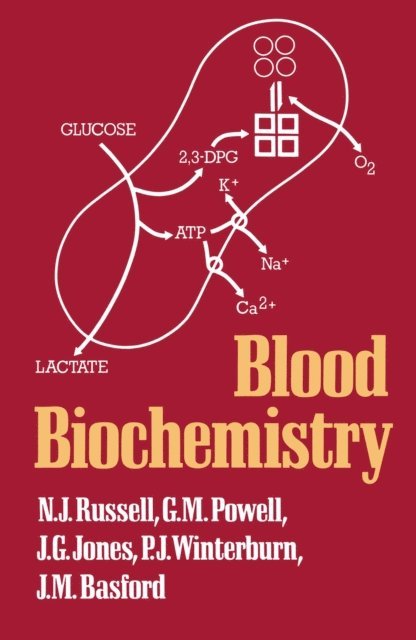
The idea for this book arose from an integrated Iecture course on the biochemistry of blood given to medical students in the second year of their pre-clinical studies. However, the material in that course has been expanded and it is intended that the book provide both the medical and non-medical reader with a concise and up-to-date account of the status of knowiedge of the biochemistry of blood. A glance at the chapter titles shows how wide a field this covers, including many of the growth areas in biochemistry. It is assumed that readers of the book will have a basic knowiedge of biochemistry. A functional approach is, adopted, and whenever possible the material is organised in terms of biochemical functions, although there are separate chapters on the white cell and the red cello Because of the clinical importance of analysing blood components and assaying enzymes in the diagnosis of disease, chapters are included on the separation, preparation and measurement of blood components.
Del 53 - Society for General Microbiology Symposia
Fifty Years of Antimicrobials
Past Perspectives and Future Trends
Inbunden, Engelska, 1995
949 kr
Tillfälligt slut
In the fifty years since the inception of the Society for General Microbiology the study of pathogenic microbes and the development of methods for their control have been a focus of attention for many microbiologists. This volume reviews the immense progress which has been made during the past half-century, opening with the text of Sir Alexander Fleming's 1946 Linacre Lecture Chemotherapy: Yesterday, Today and Tomorrow, and then drawing together contributions which consider the development of key antimicrobial compounds, both naturally occurring and synthetic, active against bacteria, viruses, fungi, and protozoa. Broader issues of antimicrobial production, screening, improvement, and resistance are also considered. Topics such as why epidemics still occur and the need for new antibiotics highlight the fact that, despite the advances, the fight against infection continues unabated.