
N. Trakakis – författare
Visar alla böcker från författaren . Handla med fri frakt och snabb leverans.
3 produkter
3 produkter
E-bok
PDF, Engelska, 20181 015 kr
Läs direkt efter köp
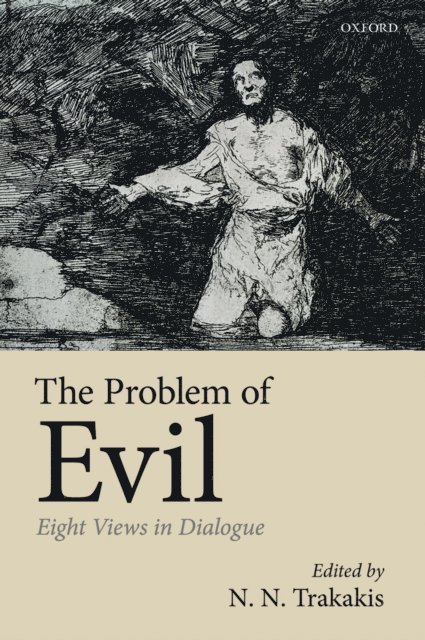
One of those rare questions in philosophy that is not only technically recalcitrant but also engages the hearts and minds of the broad community is the so-called ''problem of evil'': How can the existence of an absolutely perfect God be reconciled with the existence of suffering and evil? This collection of dialogues between eight philosophers of religion explores new ways of thinking about this longstanding problem, in the process reorienting and reinvigorating thephilosophical debate around the relationship between God, goodness and evil: How exactly are these three notions connected, if at all? Is God the cause, or author, of evil and suffering? How is the goodness of God to be understood, and how is divine goodness related to human morality? Does God''sperfect goodness entail that God must have reasons for permitting or bringing about suffering, and if so what could his reasons be?These questions are of momentous existential and theoretical interest, and they have exercised the finest intellects across the centuries. The time is ripe for a wholesale reconsideration of the problem of evil. To make progress towards this goal, eight distinct perspectives are placed in mutual dialogue, giving voice to both traditional and relatively unorthodox approaches. What emerges from these critical but friendly exchanges is a diversity of fruitful and innovative ways of thinking aboutthe nature of divinity and its relationship to evil.
E-bok
Engelska, 20181 015 kr
Läs direkt efter köp
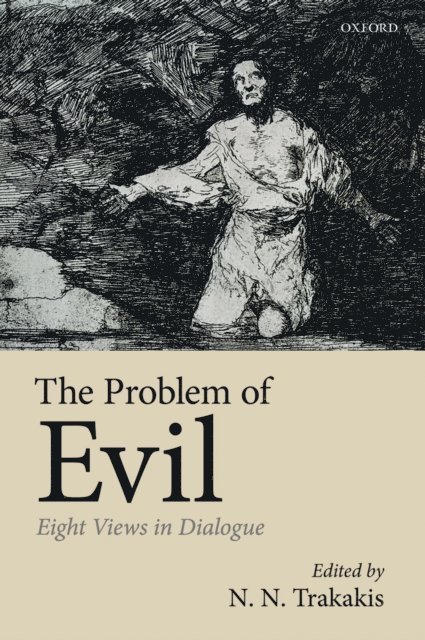
One of those rare questions in philosophy that is not only technically recalcitrant but also engages the hearts and minds of the broad community is the so-called ''problem of evil'': How can the existence of an absolutely perfect God be reconciled with the existence of suffering and evil? This collection of dialogues between eight philosophers of religion explores new ways of thinking about this longstanding problem, in the process reorienting and reinvigorating thephilosophical debate around the relationship between God, goodness and evil: How exactly are these three notions connected, if at all? Is God the cause, or author, of evil and suffering? How is the goodness of God to be understood, and how is divine goodness related to human morality? Does God''sperfect goodness entail that God must have reasons for permitting or bringing about suffering, and if so what could his reasons be?These questions are of momentous existential and theoretical interest, and they have exercised the finest intellects across the centuries. The time is ripe for a wholesale reconsideration of the problem of evil. To make progress towards this goal, eight distinct perspectives are placed in mutual dialogue, giving voice to both traditional and relatively unorthodox approaches. What emerges from these critical but friendly exchanges is a diversity of fruitful and innovative ways of thinking aboutthe nature of divinity and its relationship to evil.
12 916 kr
Skickas inom 10-15 vardagar
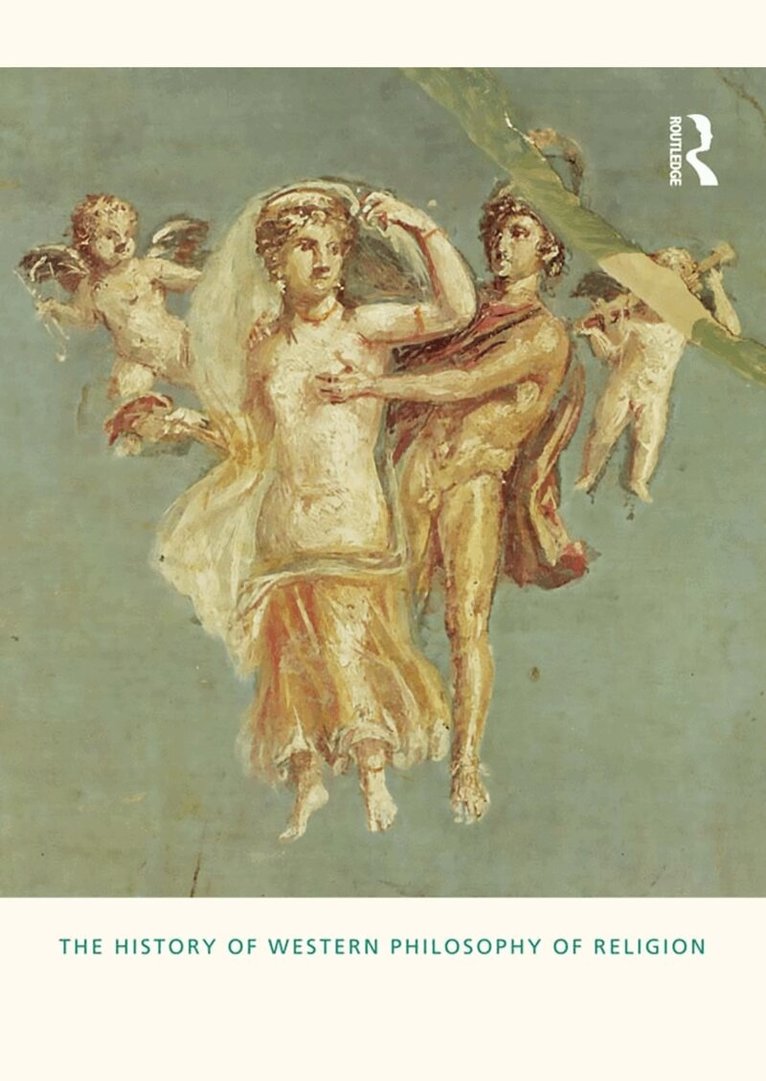
An international team of over 100 leading scholars has been brought together to provide authoritative exposition of how history's most important philosophical thinkers - fron antiquity to the present day - have sought to analyse the concepts and tenets central to Western religious belief, especially Christianity. Divided, chronologically, into five volumes, The History of Western Philosophy of Religion is designed to be accessible to a wide range of readers, from the scholar looking for original insight and the latest research findings to the student wishing for a masterly encapsulation of a particular philosopher's views. It will become the standard reference in the field. Features: each volume opens with a general introduction, presenting an overview of philosophy of religion in the periodeach essay opens with a brief biography, then outlines and analyses that philosopher's contribution to thinking on religion, and concludes with key further reading essays are cross-referenced, highlighting the development of major ideas and influences across historyeach volume closes with a chronology, presenting a contextual guide to the main religious, political, cultural and artistic events of the periodeach volume contains its own bibliography and index.