N. Walker – författare
Visar alla böcker från författaren N. Walker. Handla med fri frakt och snabb leverans.
6 produkter
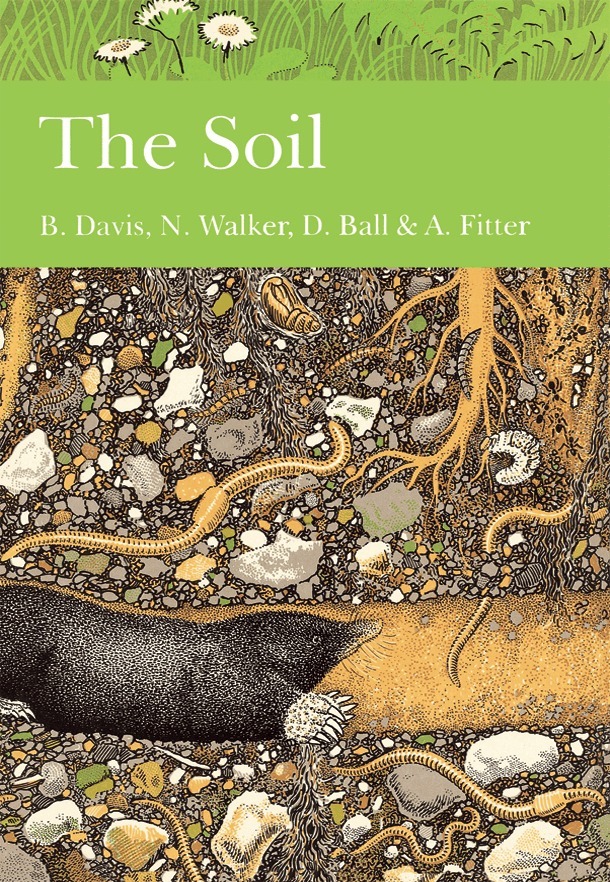
Soil
Av B. N. K. Davis, N. Walker m. fl.
E-bok, 2013
578 kr
Lägg i varukorg
The soil is one of the great unsung disappearing resources, with over 100m tonnes being destroyed every year. This edition is exclusive to newnaturalists.comThe soil is the work place of farmers and gardeners, but it is also a fascinating environment inhabited by insects that can leap into the air …
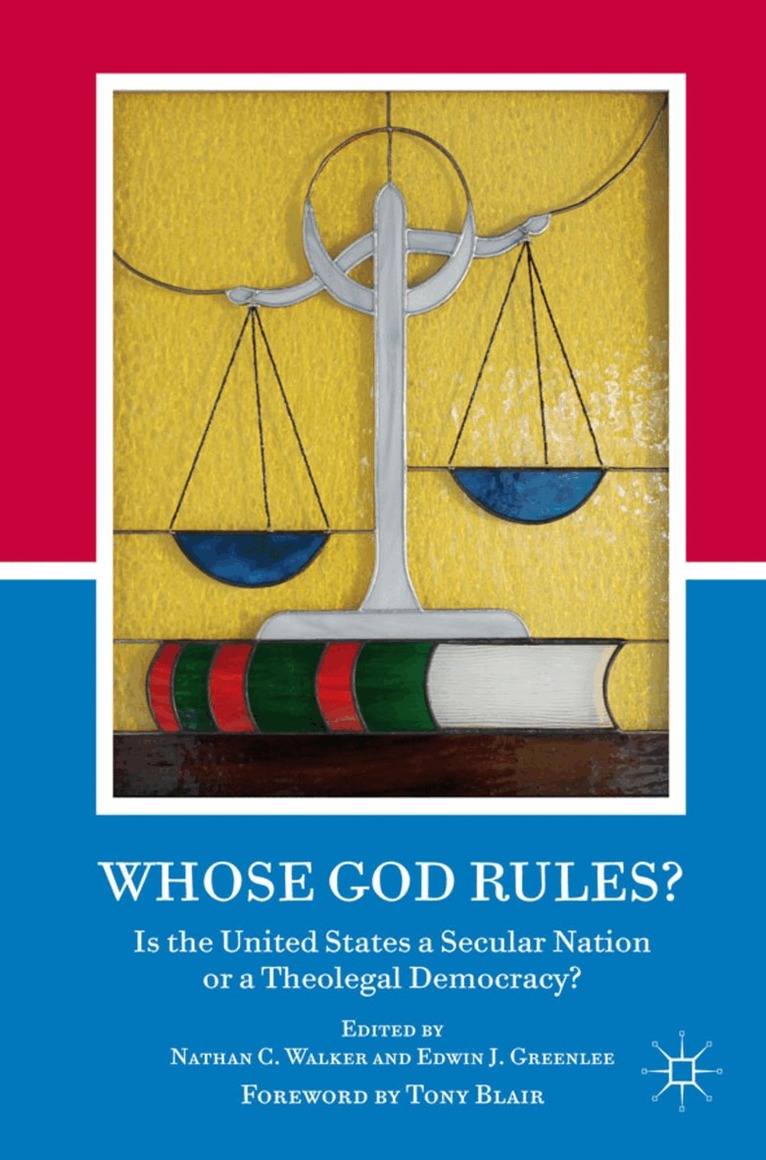
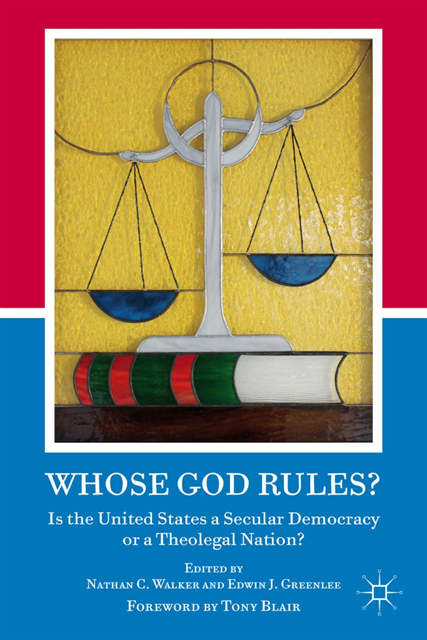
Whose God Rules?
Is the United States a Secular Nation or a Theolegal Democracy?
Av N. Walker, E. Greenlee
Inbunden, 2011
551 kr
Lägg i varukorg
This book demonstrates that the United States, whether we like it or not, is a theolegal nation - a democracy that simultaneously guarantees citizens the right to free expression of belief while preventing the establishment of a state religion.
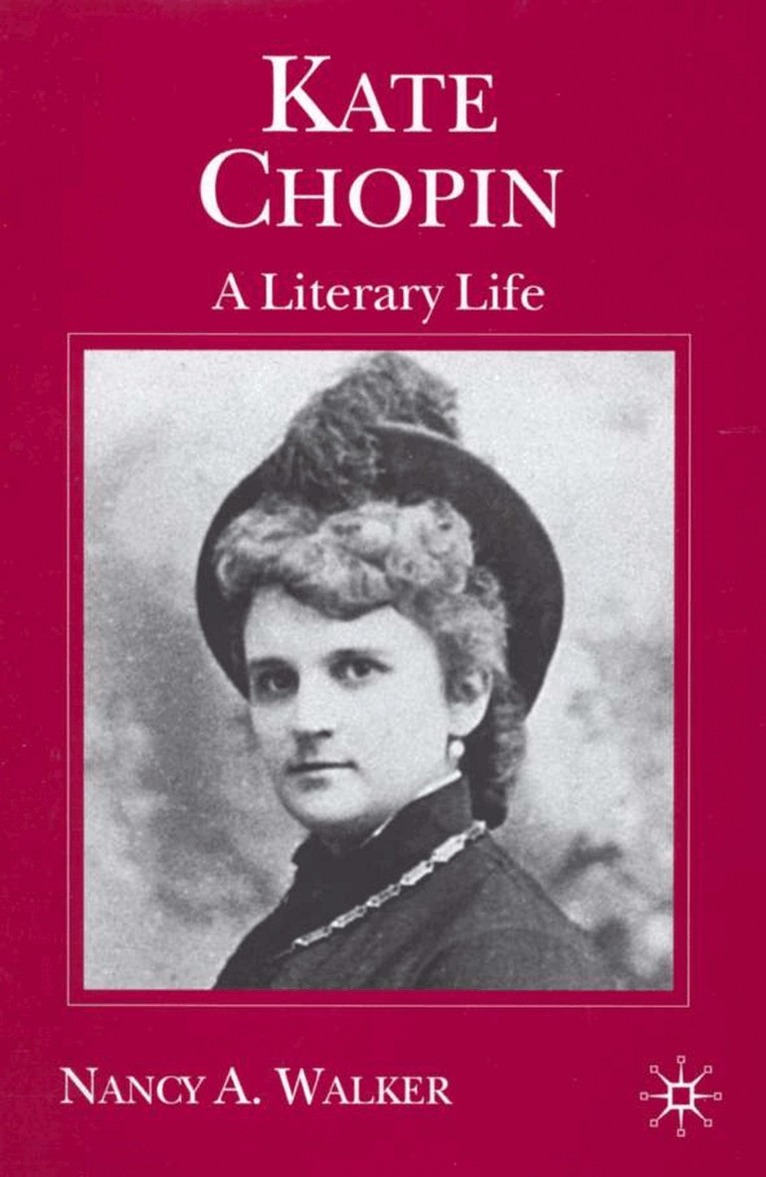
Kate Chopin
A Literary Life
Av N. Walker
Inbunden, 2001
634 kr
Lägg i varukorg
In a career that lasted little more than a decade, Kate Chopin became well known for stories set in the Creole and Acadian regions of Louisiana, but her masterwork, "The Awakening" (1899), told the daring story of a woman who defied social and sexual conventions, eliciting negative reviews that …
Kate Chopin
A Literary Life
Av N. Walker
Häftad, 2001
634 kr
Lägg i varukorg
In a career that lasted little more than a decade, Kate Chopin became well-known for stories set in the Creole and Acadian regions of Louisiana, but her masterwork, The Awakening (1899), told the daring story of a woman who defied social and sexual conventions, eliciting negative reviews that …
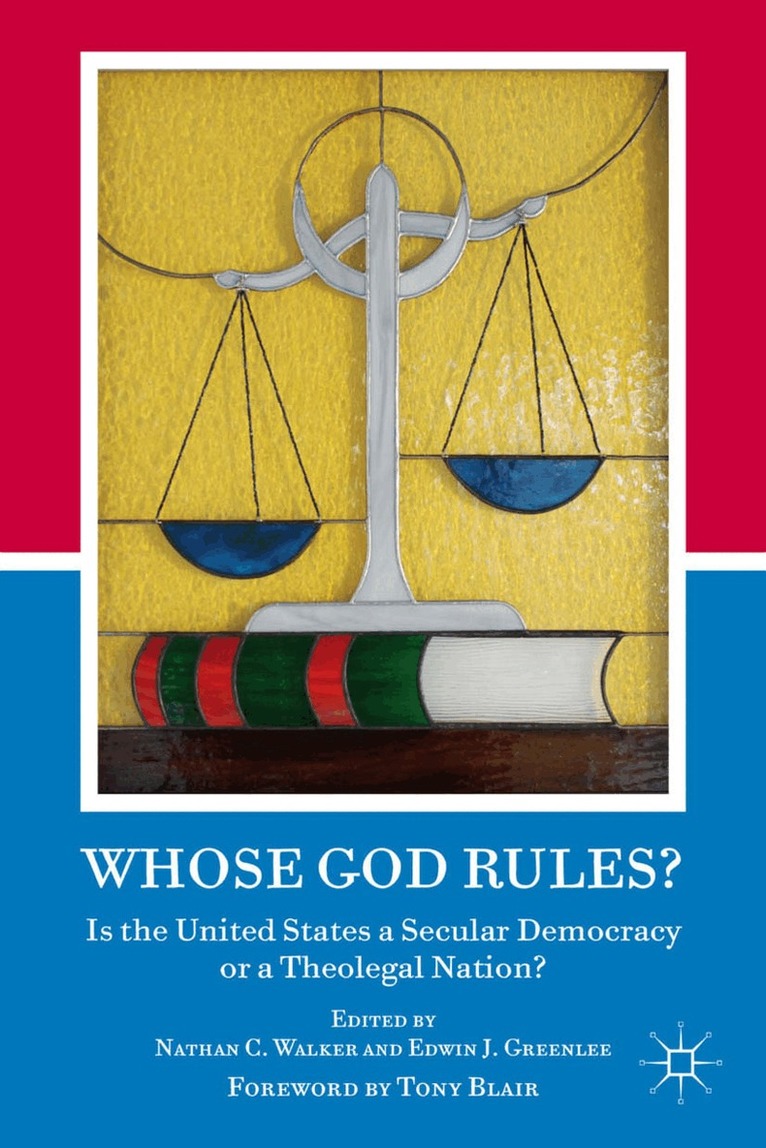
Whose God Rules?
Is the United States a Secular Nation or a Theolegal Democracy?
Av E. Greenlee, N. Walker
E-bok, 2011
763 kr
Lägg i varukorg
This book demonstrates that the United States, whether we like it or not, is a theolegal nation - a democracy that simultaneously guarantees citizens the right to free expression of belief while preventing the establishment of a state religion.
Whose God Rules?
Is the United States a Secular Nation or a Theolegal Democracy?
Av N. Walker, E. Greenlee
Häftad, 2011
552 kr
Lägg i varukorg
This book demonstrates that the United States, whether we like it or not, is a theolegal nation - a democracy that simultaneously guarantees citizens the right to free expression of belief while preventing the establishment of a state religion.