Naazneen H. Barma – författare
Visar alla böcker från författaren Naazneen H. Barma. Handla med fri frakt och snabb leverans.
5 produkter
The Peacebuilding Puzzle
Political Order in Post-Conflict States
Häftad, 2018
557 kr
Lägg i varukorg
Transformative peace operations fall short of achieving the modern political order sought in post-conflict countries because the interventions themselves empower post-conflict elites intent on forging a neopatrimonial political order. The Peacebuilding Puzzle explains the disconnect between the …
The Peacebuilding Puzzle
Political Order in Post-Conflict States
Inbunden, 2016
1563 kr
Lägg i varukorg
Transformative peace operations fall short of achieving the modern political order sought in post-conflict countries because the interventions themselves empower post-conflict elites intent on forging a neopatrimonial political order. The Peacebuilding Puzzle explains the disconnect between the …
Peacebuilding Puzzle
Political Order in Post-Conflict States
E-bok, 2016
538 kr
Lägg i varukorg
Transformative peace operations fall short of achieving the modern political order sought in post-conflict countries because the interventions themselves empower post-conflict elites intent on forging a neopatrimonial political order. The Peacebuilding Puzzle explains the disconnect between the …
Peacebuilding Puzzle
Political Order in Post-Conflict States
E-bok, 2016
555 kr
Lägg i varukorg
Transformative peace operations fall short of achieving the modern political order sought in post-conflict countries because the interventions themselves empower post-conflict elites intent on forging a neopatrimonial political order. The Peacebuilding Puzzle explains the disconnect between the …
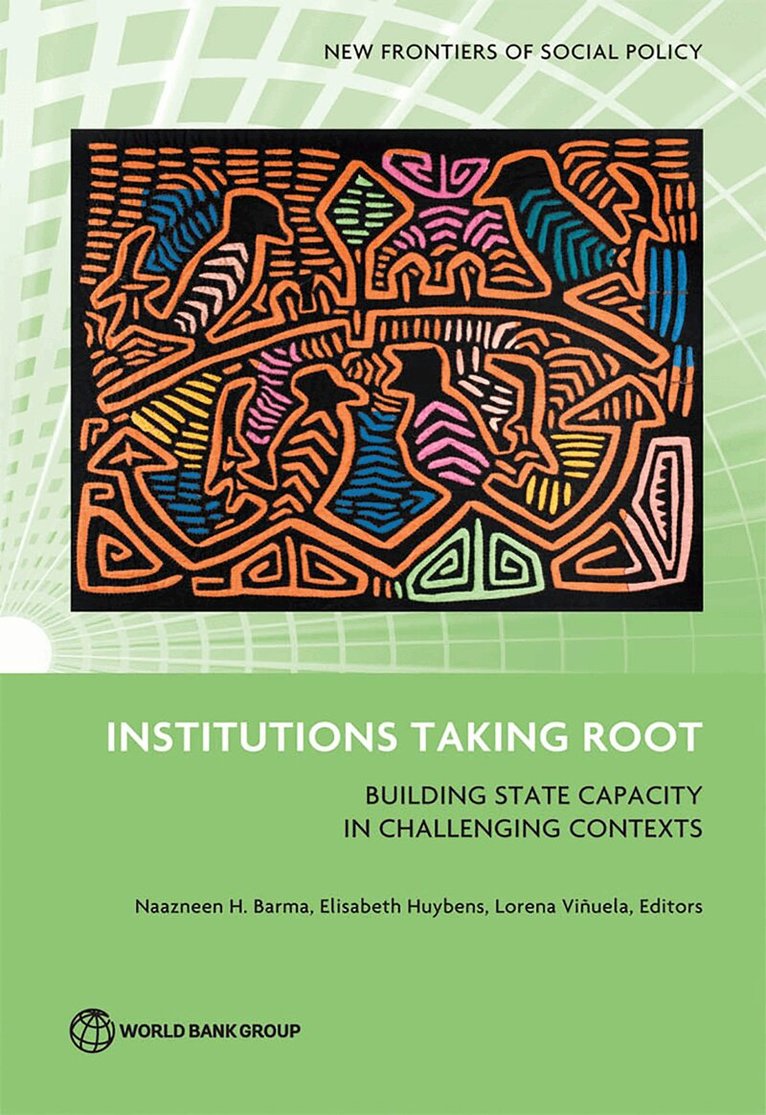
Institutions Taking Root
Building State Capacity in Challenging Contexts
Av World Bank, Naazneen H. Barma m. fl.
Häftad, 2014
474 kr
Lägg i varukorg
Building and operating successful public institutions is a perennial and long-term challenge for governments, which is compounded by the volatile conditions found in fragile settings. Yet some government agencies do manage to take root and achieve success in delivering results earning legitimacy …