Nada Gligorov - Böcker
Visar alla böcker från författaren Nada Gligorov. Handla med fri frakt och snabb leverans.
3 produkter
3 produkter
868 kr
Skickas inom 5-8 vardagar
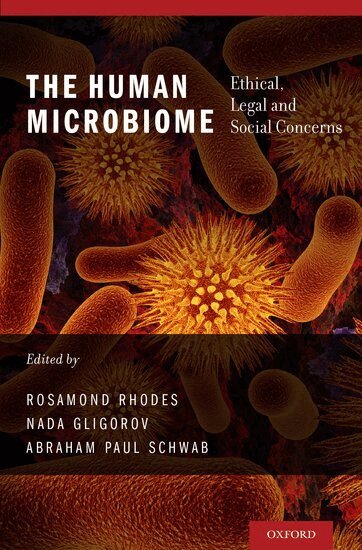
The human microbiome is the bacteria, viruses, and fungi that cover our skin, line our intestines, and flourish in our body cavities. Work on the human microbiome is new, but it is quickly becoming a leading area of biomedical research. What scientists are learning about humans and our microbiomes could change medical practice by introducing new treatment modalities. This new knowledge redefines us as superorganisms comprised of the human body and the collection of microbes that inhabit it and reveals how much we are a part of our environment. The understanding that microbes are not only beneficial but sometimes necessary for survival recasts our interaction with microbes from adversarial to neighborly. This volume explores some of the science that makes human microbiome research possible. It then considers ethical, legal, and social concerns raised by microbiome research. Chapters explore issues related to personal identity, property rights, and privacy. The authors reflect on how human microbiome research challenges reigning views on public health and research ethics. They also address the need for thoughtful policies and procedures to guide the use of the biobanked human samples required for advancing this new domain of research. In the course of these explorations, they introduce examples from the history of biomedical science and recent legal cases that shed light on the issues and inform the policy recommendations they offer at the end of each topic's discussion. This volume is the product of an NIH Human Microbiome Project grant. It represents three years of conversations focused on consensus formation by the twenty-seven members of the interdisciplinary Microbiome Working Group."The microbiome is a relatively new area of medical attention. Ethical issues related to the microbiome have barely been identified, much less carefully analyzed. This volume is an excellent start toward that ethical analysis. Many of the arguments are persuasive and provocative. In particular, some contributors challenge the ethical need for anonymizing microbiome specimens as well as the need for individual informed consent for specific uses of these specimens. I highly recommend this volume for all those interested in the microbiome and in new frontiers in medical ethics." -Leonard M. Fleck, Michigan State University
Del 11 - Studies in Brain and Mind
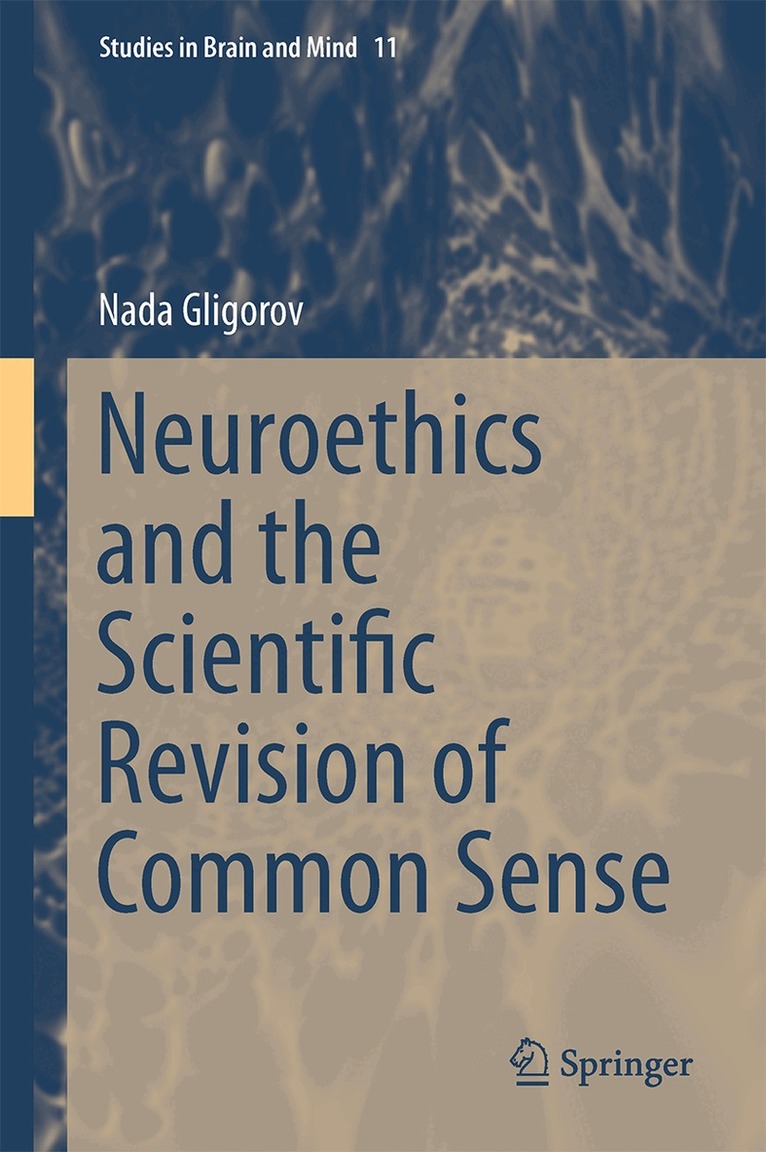
Neuroethics and the Scientific Revision of Common Sense
Inbunden, Engelska, 2016
536 kr
Skickas inom 10-15 vardagar
This book is focused on the examination of the particular relationship between developments in neuroscience and commonsense concepts, such as free will, personal identity, privacy, etc., which feature prominently in moral discourse. In the book common sense is recast as an ever-shifting repository of theories from many domains, including science. Utilizing this alternative characterization of common sense, the book reexamines the impact of neuroscience on commonsense moral conceptions.Neuroethics is one of the newest, developing branches of Bioethics. Topics often raised include issues of free will, personal identity and the self; the possible ethical implication of memory manipulation; brain imaging and mind-reading; brain stimulation/enhancement and its impacts on personal identity; and brain death.
Del 11 - Studies in Brain and Mind
Neuroethics and the Scientific Revision of Common Sense
Häftad, Engelska, 2018
536 kr
Skickas inom 10-15 vardagar
This book is focused on the examination of the particular relationship between developments in neuroscience and commonsense concepts, such as free will, personal identity, privacy, etc., which feature prominently in moral discourse. In the book common sense is recast as an ever-shifting repository of theories from many domains, including science. Utilizing this alternative characterization of common sense, the book reexamines the impact of neuroscience on commonsense moral conceptions.Neuroethics is one of the newest, developing branches of Bioethics. Topics often raised include issues of free will, personal identity and the self; the possible ethical implication of memory manipulation; brain imaging and mind-reading; brain stimulation/enhancement and its impacts on personal identity; and brain death.