Nada Zecevic – författare
Visar alla böcker från författaren . Handla med fri frakt och snabb leverans.
5 produkter
5 produkter
Inbunden, Engelska, 2022
2 217 kr
Skickas inom 5-8 vardagar
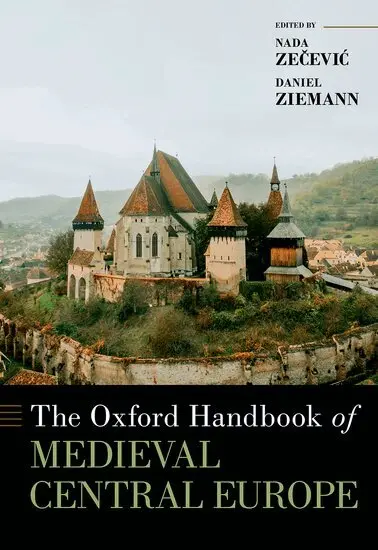
The Oxford Handbook of Medieval Central Europe summarizes the political, social, and cultural history of medieval Central Europe (c. 800-1600 CE), a region long considered a "forgotten" area of the European past. The 25 cutting-edge chapters present up-to-date research about the region's core medieval kingdoms -- Hungary, Poland, and Bohemia -- and their dynamic interactions with neighboring areas. From the Baltic to the Adriatic, the handbook includes reflections on modern conceptions and uses of the region's shared medieval traditions. The volume's thematic organization reveals rarely compared knowledge about the region's medieval resources: its peoples and structures of power; its social life and economy; its religion and culture; and images of its past.
E-bok
PDF, Engelska, 20221 815 kr
Läs direkt efter köp
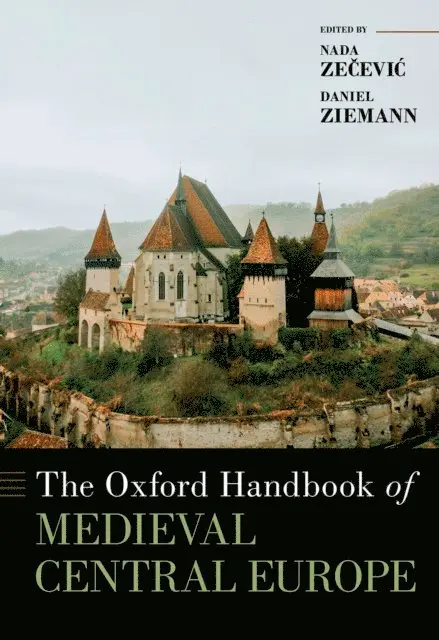
The Oxford Handbook of Medieval Central Europe summarizes the political, social, and cultural history of medieval Central Europe (c. 800-1600 CE), a region long considered a "forgotten" area of the European past. The 25 cutting-edge chapters present up-to-date research about the region''s core medieval kingdoms -- Hungary, Poland, and Bohemia -- and their dynamic interactions with neighboring areas. From the Baltic to the Adriatic, the handbook includes reflections on modern conceptions and uses of the region''s shared medieval traditions. The volume''s thematic organization reveals rarely compared knowledge about the region''s medieval resources: its peoples and structures of power; its social life and economy; its religion and culture; and images of its past.
E-bok
Engelska, 20221 815 kr
Läs direkt efter köp
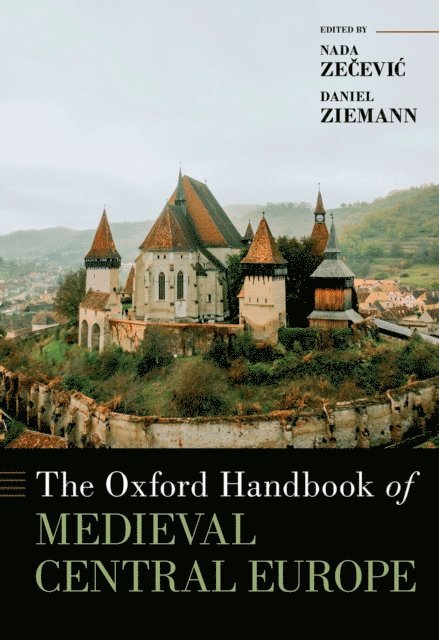
The Oxford Handbook of Medieval Central Europe summarizes the political, social, and cultural history of medieval Central Europe (c. 800-1600 CE), a region long considered a "forgotten" area of the European past. The 25 cutting-edge chapters present up-to-date research about the region''s core medieval kingdoms -- Hungary, Poland, and Bohemia -- and their dynamic interactions with neighboring areas. From the Baltic to the Adriatic, the handbook includes reflections on modern conceptions and uses of the region''s shared medieval traditions. The volume''s thematic organization reveals rarely compared knowledge about the region''s medieval resources: its peoples and structures of power; its social life and economy; its religion and culture; and images of its past.
Inbunden, Engelska, 2026
2 222 kr
Kommande
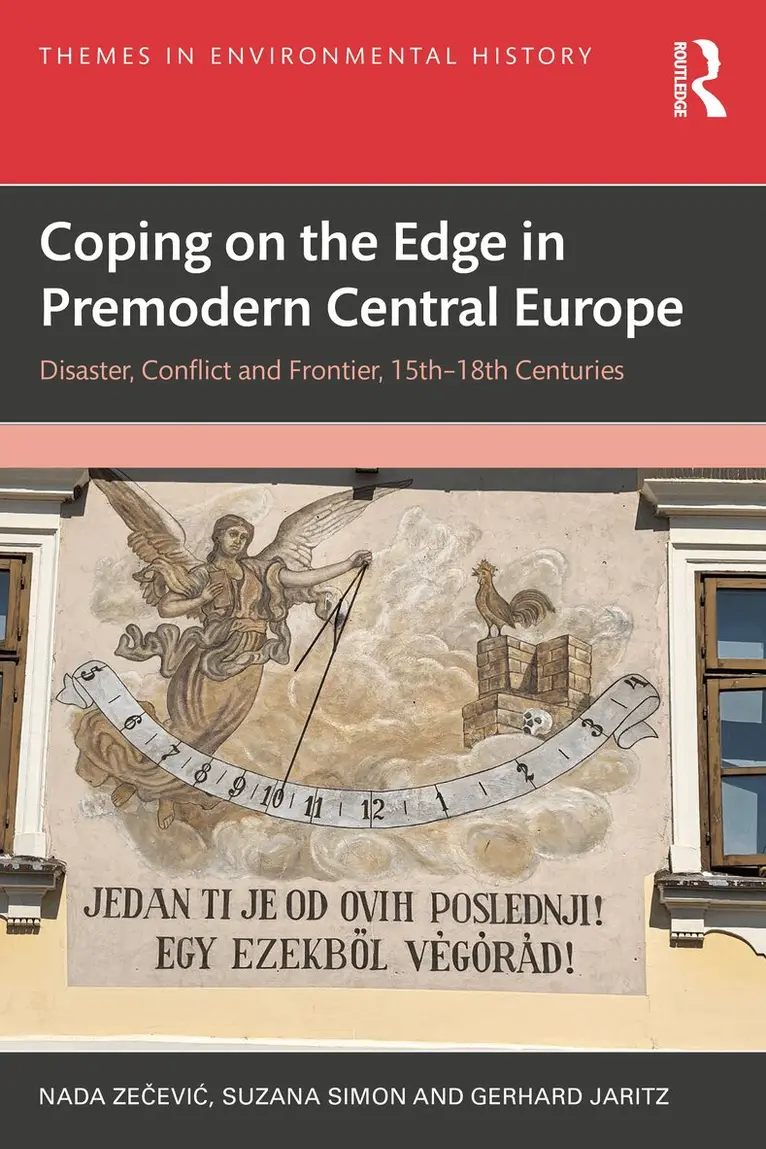
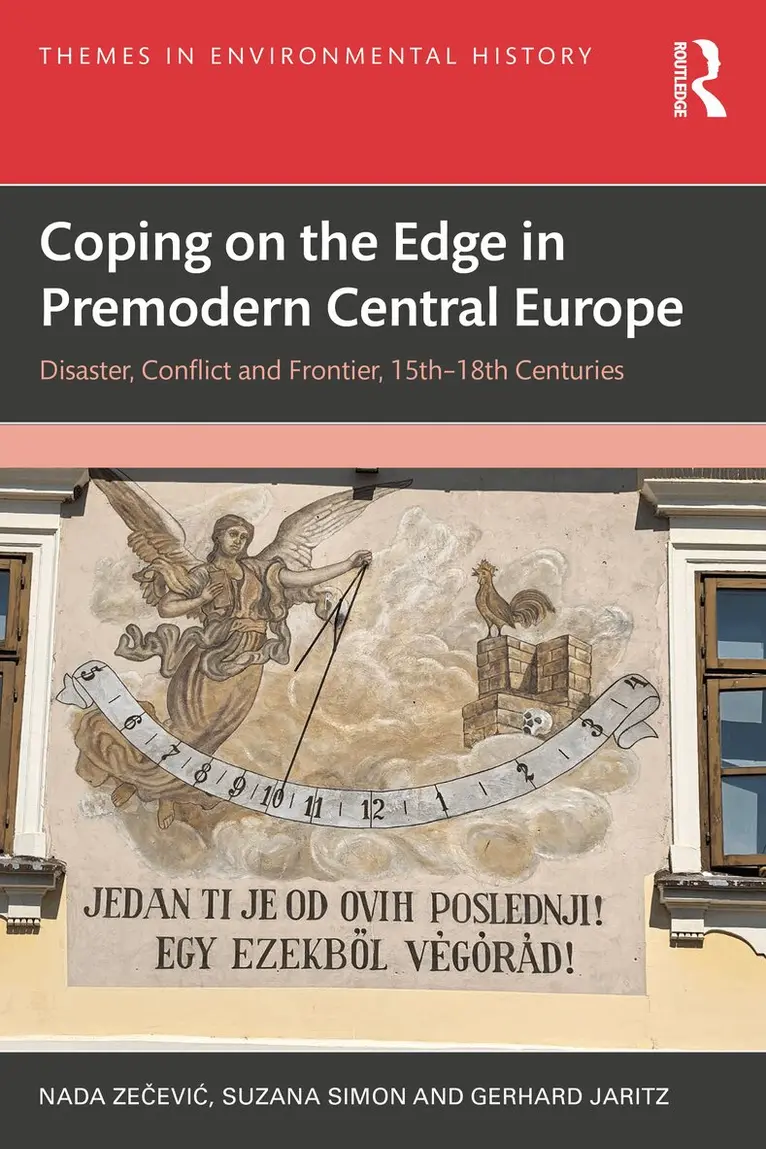
Combining traditional historical research with environmental history, migration studies, historical anthropology, and religious history, this book examines how societies in the southern frontier of medieval and early modern Hungary navigated the recurring disasters that defined their existence.The region—caught between the Habsburg, Ottoman, and other imperial spheres—faced wars, plagues, famines, floods, and forced migrations that not only disrupted lives but also reshaped governance, identities, and community resilience. The book draws on underused archival sources, parish records, plague reports, and visual materials to explore both grassroots coping strategies and the premodern forms of institutional disaster management. It moves beyond seeing disaster as a mere historical backdrop, instead showing it as a political and ideological tool used by states to control mobility, engineer settlement, and consolidate power. Regional histories are situated within broader global comparisons and other imperial “laboratories” of crisis management from the Mediterranean to colonial India, offering fresh comparable insights.The book addresses scholars and advanced students of Central and Eastern European history, medieval and early modern studies, migration history, environmental history, and disaster studies, as well as a broader readership interested in the dynamics of historical frontier societies and their enduring strategies of survival.
Häftad, Engelska, 2026
557 kr
Kommande
Combining traditional historical research with environmental history, migration studies, historical anthropology, and religious history, this book examines how societies in the southern frontier of medieval and early modern Hungary navigated the recurring disasters that defined their existence.The region—caught between the Habsburg, Ottoman, and other imperial spheres—faced wars, plagues, famines, floods, and forced migrations that not only disrupted lives but also reshaped governance, identities, and community resilience. The book draws on underused archival sources, parish records, plague reports, and visual materials to explore both grassroots coping strategies and the premodern forms of institutional disaster management. It moves beyond seeing disaster as a mere historical backdrop, instead showing it as a political and ideological tool used by states to control mobility, engineer settlement, and consolidate power. Regional histories are situated within broader global comparisons and other imperial “laboratories” of crisis management from the Mediterranean to colonial India, offering fresh comparable insights.The book addresses scholars and advanced students of Central and Eastern European history, medieval and early modern studies, migration history, environmental history, and disaster studies, as well as a broader readership interested in the dynamics of historical frontier societies and their enduring strategies of survival.