709 kr
Skickas inom 10-15 vardagar
709 kr
Skickas inom 10-15 vardagar
2 466 kr
Skickas inom 10-15 vardagar
830 kr
Läs direkt efter köp
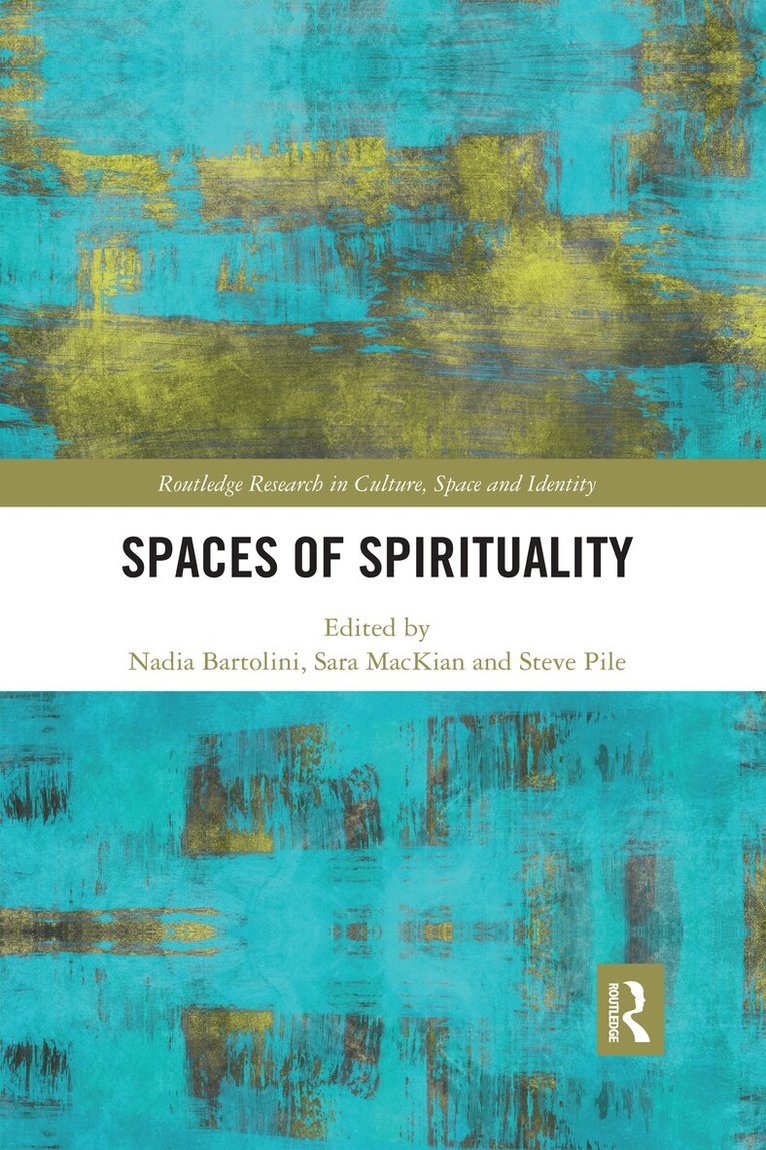
Spirituality is, too often, subsumed under the heading of religion and treated as much the same kind of thing. Yet spirituality extends far beyond the spaces of religion. The spiritual makes geography strange, challenging the relationship between the known and the unknown, between the real and the ideal, and prompting exciting possibilities for charting the ineffable spaces of the divine which lie somehow beyond geography. In setting itself that task, this book pushes the boundaries of geographies of religion to bring into direct focus questions of spirituality.
By seeing religion through the lens of practice rather than as a set of beliefs, geographies of religion can be interpreted much more widely, bringing a whole range of other spiritual practices and spaces to light. The book is split into three sections, each contextualised with an editors’ introduction, to explore the spaces of spiritual practice, the spiritual production of space, and spiritual transformations.
This book intends to open to up new questions and approaches through the theme of spirituality, pushing the boundaries on current topics and introducing innovative new ideas, including esoteric or radical spiritual practices. This landmark book not only captures a significant moment in geographies of spirituality, but acts as a catalyst for future work.
830 kr
Läs direkt efter köp
Spirituality is, too often, subsumed under the heading of religion and treated as much the same kind of thing. Yet spirituality extends far beyond the spaces of religion. The spiritual makes geography strange, challenging the relationship between the known and the unknown, between the real and the ideal, and prompting exciting possibilities for charting the ineffable spaces of the divine which lie somehow beyond geography. In setting itself that task, this book pushes the boundaries of geographies of religion to bring into direct focus questions of spirituality.
By seeing religion through the lens of practice rather than as a set of beliefs, geographies of religion can be interpreted much more widely, bringing a whole range of other spiritual practices and spaces to light. The book is split into three sections, each contextualised with an editors’ introduction, to explore the spaces of spiritual practice, the spiritual production of space, and spiritual transformations.
This book intends to open to up new questions and approaches through the theme of spirituality, pushing the boundaries on current topics and introducing innovative new ideas, including esoteric or radical spiritual practices. This landmark book not only captures a significant moment in geographies of spirituality, but acts as a catalyst for future work.
917 kr
Tillfälligt slut
Preservation of natural and cultural heritage is often said to be something that is done for the future, or on behalf of future generations, but the precise relationship of such practices to the future is rarely reflected upon. Heritage Futures draws on research undertaken over four years by an interdisciplinary, international team of 16 researchers and more than 25 partner organisations to explore the role of heritage and heritage-like practices in building future worlds.
Engaging broad themes such as diversity, transformation, profusion and uncertainty, Heritage Futures aims to understand how a range of conservation and preservation practices across a number of countries assemble and resource different kinds of futures, and the possibilities that emerge from such collaborative research for alternative approaches to heritage in the Anthropocene. Case studies include the cryopreservation of endangered DNA in frozen zoos, nuclear waste management, seed biobanking, landscape rewilding, social history collecting, space messaging, endangered language documentation, built and natural heritage management, domestic keeping and discarding practices, and world heritage site management.
Praise for Heritage Futures
'[A book] Likely [to] attract two main groups of readers. One consists of students, researchers, and heritage practitioners looking for inspiration or a gateway to understand current intersections between the fields of (critical) heritage studies and futurology. It will work well for this purpose, as it raises vital questions and points to avenues for collaboration that may help care for the future ? not just for the remains of the past in the future. ...A second group would be researchers looking for advice on how to write up a big project. The book represents a successful example of how to weave together a large and highly diverse research programme into a single publication.'Norwegian Archaeological Review
?The book offers is a fresh perspective on heritage studies by turning the debate on its head and flipping the gaze from the past to the future?International Journal of Heritage Studies
'I suspect this book will prove to be a revolutionary addition to the field of heritage studies, flipping the gaze from the past to the future. Heritage Futures reveals the deep uncertainties and precarities that shape both everyday and political life today: accumulation and waste, care and hope, the natural and the toxic. It represents a uniquely impressive intellectual and empirical roadmap for both anticipating and questioning future trajectories, and the strange, unfamiliar places heritage will take us.?Tim Winter, University of Western Australia
709 kr
Skickas inom 10-15 vardagar
2 466 kr
Skickas inom 10-15 vardagar
830 kr
Läs direkt efter köp
Spirituality is, too often, subsumed under the heading of religion and treated as much the same kind of thing. Yet spirituality extends far beyond the spaces of religion. The spiritual makes geography strange, challenging the relationship between the known and the unknown, between the real and the ideal, and prompting exciting possibilities for charting the ineffable spaces of the divine which lie somehow beyond geography. In setting itself that task, this book pushes the boundaries of geographies of religion to bring into direct focus questions of spirituality.
By seeing religion through the lens of practice rather than as a set of beliefs, geographies of religion can be interpreted much more widely, bringing a whole range of other spiritual practices and spaces to light. The book is split into three sections, each contextualised with an editors’ introduction, to explore the spaces of spiritual practice, the spiritual production of space, and spiritual transformations.
This book intends to open to up new questions and approaches through the theme of spirituality, pushing the boundaries on current topics and introducing innovative new ideas, including esoteric or radical spiritual practices. This landmark book not only captures a significant moment in geographies of spirituality, but acts as a catalyst for future work.
830 kr
Läs direkt efter köp
Spirituality is, too often, subsumed under the heading of religion and treated as much the same kind of thing. Yet spirituality extends far beyond the spaces of religion. The spiritual makes geography strange, challenging the relationship between the known and the unknown, between the real and the ideal, and prompting exciting possibilities for charting the ineffable spaces of the divine which lie somehow beyond geography. In setting itself that task, this book pushes the boundaries of geographies of religion to bring into direct focus questions of spirituality.
By seeing religion through the lens of practice rather than as a set of beliefs, geographies of religion can be interpreted much more widely, bringing a whole range of other spiritual practices and spaces to light. The book is split into three sections, each contextualised with an editors’ introduction, to explore the spaces of spiritual practice, the spiritual production of space, and spiritual transformations.
This book intends to open to up new questions and approaches through the theme of spirituality, pushing the boundaries on current topics and introducing innovative new ideas, including esoteric or radical spiritual practices. This landmark book not only captures a significant moment in geographies of spirituality, but acts as a catalyst for future work.
917 kr
Tillfälligt slut
Preservation of natural and cultural heritage is often said to be something that is done for the future, or on behalf of future generations, but the precise relationship of such practices to the future is rarely reflected upon. Heritage Futures draws on research undertaken over four years by an interdisciplinary, international team of 16 researchers and more than 25 partner organisations to explore the role of heritage and heritage-like practices in building future worlds.
Engaging broad themes such as diversity, transformation, profusion and uncertainty, Heritage Futures aims to understand how a range of conservation and preservation practices across a number of countries assemble and resource different kinds of futures, and the possibilities that emerge from such collaborative research for alternative approaches to heritage in the Anthropocene. Case studies include the cryopreservation of endangered DNA in frozen zoos, nuclear waste management, seed biobanking, landscape rewilding, social history collecting, space messaging, endangered language documentation, built and natural heritage management, domestic keeping and discarding practices, and world heritage site management.
Praise for Heritage Futures
'[A book] Likely [to] attract two main groups of readers. One consists of students, researchers, and heritage practitioners looking for inspiration or a gateway to understand current intersections between the fields of (critical) heritage studies and futurology. It will work well for this purpose, as it raises vital questions and points to avenues for collaboration that may help care for the future ? not just for the remains of the past in the future. ...A second group would be researchers looking for advice on how to write up a big project. The book represents a successful example of how to weave together a large and highly diverse research programme into a single publication.'Norwegian Archaeological Review
?The book offers is a fresh perspective on heritage studies by turning the debate on its head and flipping the gaze from the past to the future?International Journal of Heritage Studies
'I suspect this book will prove to be a revolutionary addition to the field of heritage studies, flipping the gaze from the past to the future. Heritage Futures reveals the deep uncertainties and precarities that shape both everyday and political life today: accumulation and waste, care and hope, the natural and the toxic. It represents a uniquely impressive intellectual and empirical roadmap for both anticipating and questioning future trajectories, and the strange, unfamiliar places heritage will take us.?Tim Winter, University of Western Australia