Nadia Mizner - Böcker
Visar alla böcker från författaren Nadia Mizner. Handla med fri frakt och snabb leverans.
3 produkter
3 produkter
549 kr
Skickas inom 10-15 vardagar
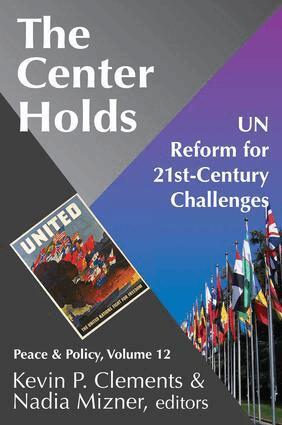
The United Nations remains a unique institutional hope for addressing and resolving the world's major environmental, developmental, and humanitarian problems. It representsglobal aspirations for a just and peaceful world by inspiring the political imagination of individuals and collectivities. But, because it is now viewed primarily as a "trade union" for expressing the national political interests of 192 state parties, as Clements and Mizner's volume of essaysdemonstrate the UN has succumbed to political cynicism and skepticism.Only the UN can champion emerging international regimes, the rule of law, and global processes that generate structural stability, justice, and peace in the international system. Unlike some central security organs of the UN, specialized UN agencies have addressed these problems. With the exception of the wars in Afghanistan and Iraq, the UN and its affiliates have played an important role in ending violent, political conflict and in preventing further conflict. According to the Human Security Report (2005), the 80 percent decline in deadly conflicts since the early 1990s can be explained by the extraordinary upsurge of activity by the international community,which t has been directed towards conflict prevention and peace-making.This work explores how the UN can establish global norms to reinforce adoctrine of internal and external political responsibility. How can the UN ensure that the interests of the peoples of the world receive equal attention as the interests of state parties? How does it deal with non-sovereign actors, not represented directly in the UN, who may command power and resources that are more significant than those available to nation states? How does it deal with state parties deemed ineffective, incapable, and illegitimate by their own citizens? How can the organization enhance its role with regional organizations? Finally, how will the UN ensure a positive and proactive role with respect to diverse global challenges in the early 21st century? This work is an essential guide to current discourse in the UN.
332 kr
Skickas inom 10-15 vardagar
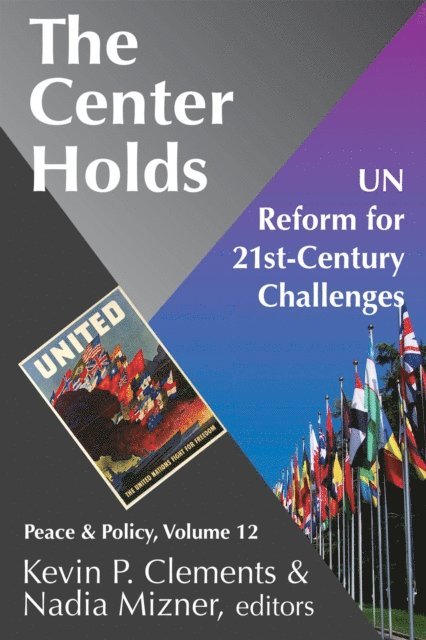
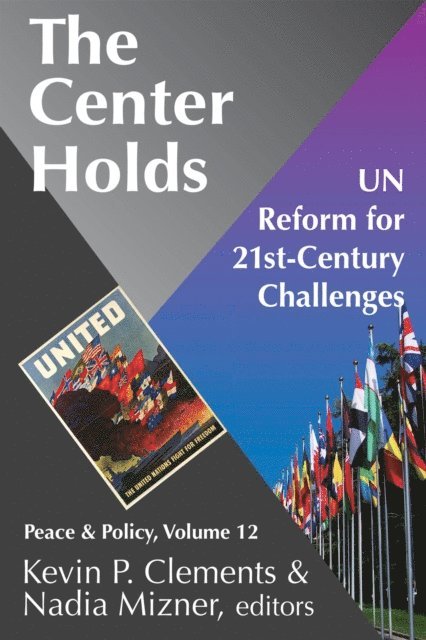
The United Nations remains a unique institutional hope for addressing and resolving the world's major environmental, developmental, and humanitarian problems. It representsglobal aspirations for a just and peaceful world by inspiring the political imagination of individuals and collectivities. But, because it is now viewed primarily as a "trade union" for expressing the national political interests of 192 state parties, as Clements and Mizner's volume of essaysdemonstrate the UN has succumbed to political cynicism and skepticism.Only the UN can champion emerging international regimes, the rule of law, and global processes that generate structural stability, justice, and peace in the international system. Unlike some central security organs of the UN, specialized UN agencies have addressed these problems. With the exception of the wars in Afghanistan and Iraq, the UN and its affiliates have played an important role in ending violent, political conflict and in preventing further conflict. According to the Human Security Report (2005), the 80 percent decline in deadly conflicts since the early 1990s can be explained by the extraordinary upsurge of activity by the international community,which t has been directed towards conflict prevention and peace-making.This work explores how the UN can establish global norms to reinforce adoctrine of internal and external political responsibility. How can the UN ensure that the interests of the peoples of the world receive equal attention as the interests of state parties? How does it deal with non-sovereign actors, not represented directly in the UN, who may command power and resources that are more significant than those available to nation states? How does it deal with state parties deemed ineffective, incapable, and illegitimate by their own citizens? How can the organization enhance its role with regional organizations? Finally, how will the UN ensure a positive and proactive role with respect to diverse global challenges in the early 21st century? This work is an essential guide to current discourse in the UN.
482 kr
Skickas inom 10-15 vardagar
The Chicago School of Economics is arguably the most successful and influential since World War II. This volume provides an interpretation of the Chicago school through constructive critique of its doctrines. It is an inquiry into the nature, role, and significance of the school and its doctrines within both the economics profession and the larger world of ideas and action. This volume offers a deeper understanding of the school, of its strengths and weaknesses, and of the tasks of any body of thought that hopes to comprise an alternative.