Nadine Moeller – författare
Visar alla böcker från författaren Nadine Moeller. Handla med fri frakt och snabb leverans.
26 produkter
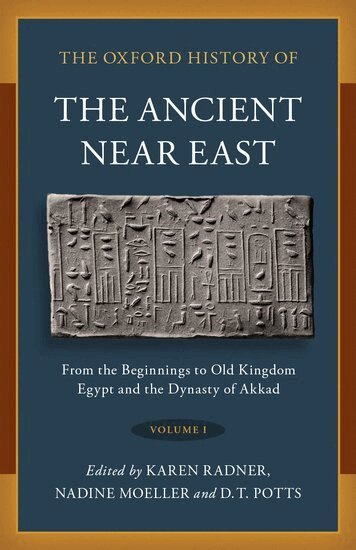
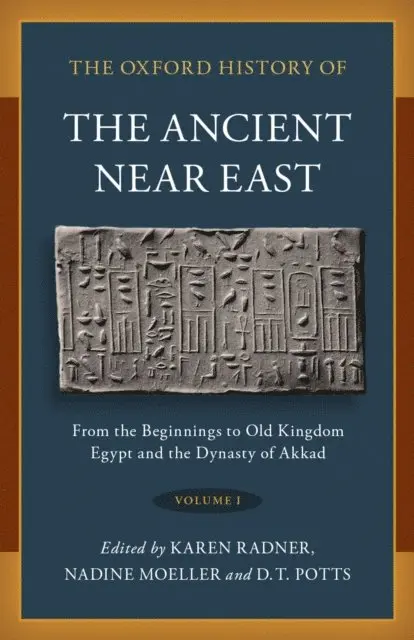
The Oxford History of the Ancient Near East
Volume I: From the Beginnings to Old Kingdom Egypt and the Dynasty of Akkad
Av Karen Radner, Nadine Moeller m. fl.
Inbunden, 2020
2891 kr
Lägg i varukorg
This groundbreaking, five-volume series offers a comprehensive, fully illustrated history of Egypt and Western Asia (the Levant, Anatolia, Mesopotamia, and Iran), from the emergence of complex states to the conquest of Alexander the Great. Written by a highly diverse, international team of leading …
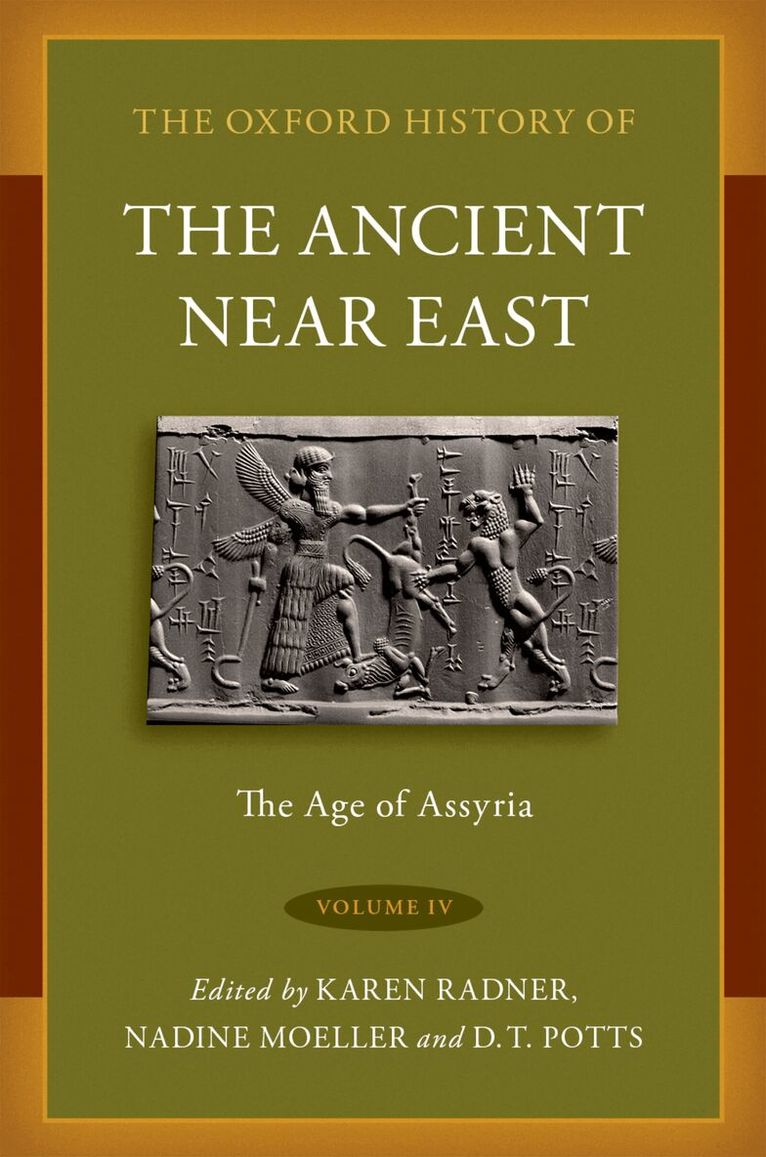
The Oxford History of the Ancient Near East
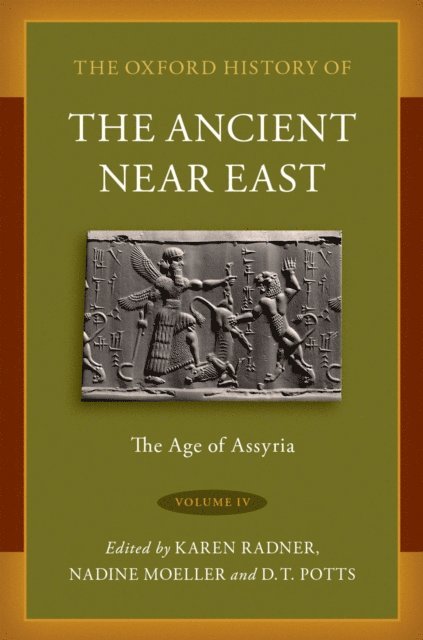
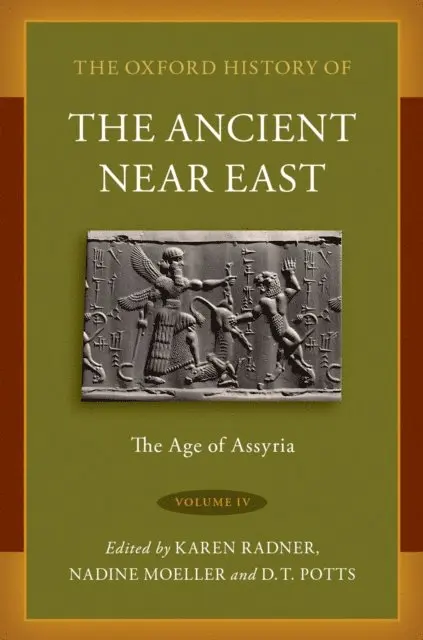
Volume IV: The Age of Assyria
Av Karen Radner, Nadine Moeller m. fl.
Inbunden, 2023
1759 kr
Lägg i varukorg
This groundbreaking, five-volume series offers a comprehensive, fully illustrated history of Egypt and Western Asia (the Levant, Anatolia, Mesopotamia, and Iran), from the emergence of complex states to the conquest of Alexander the Great. Written by a diverse, international team of leading …
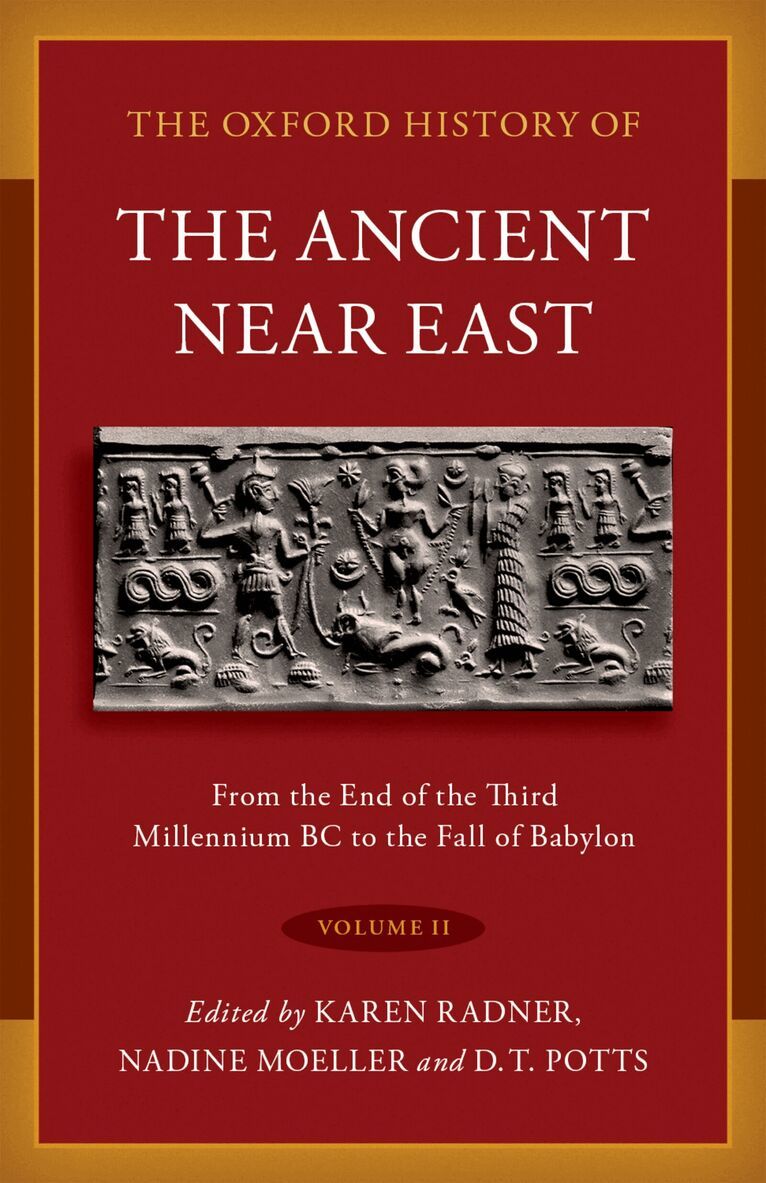
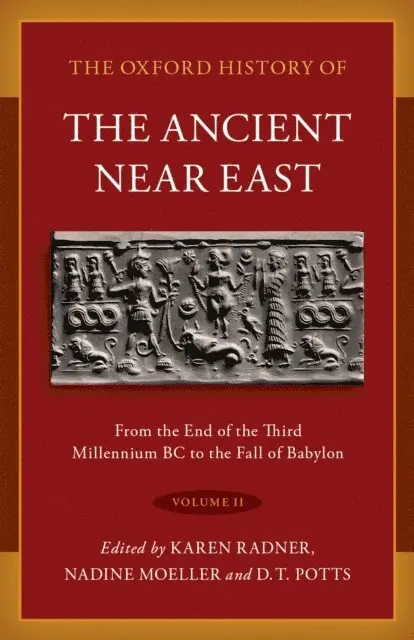
The Oxford History of the Ancient Near East
Volume II: From the End of the Third Millennium BC to the Fall of Babylon
Av Karen Radner, Karen Radner m. fl.
Inbunden, 2022
2920 kr
Lägg i varukorg
This groundbreaking, five-volume series offers a comprehensive, fully illustrated history of Egypt and Western Asia (the Levant, Anatolia, Mesopotamia, and Iran), from the emergence of complex states to the conquest of Alexander the Great. Written by a diverse, international team of leading …
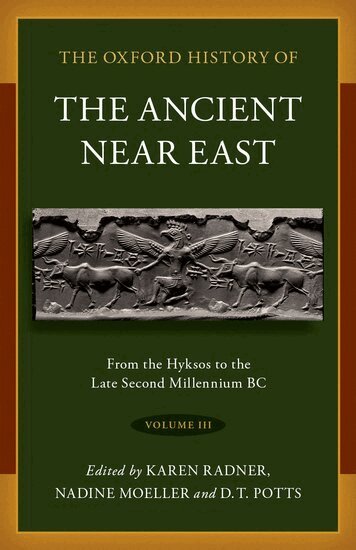
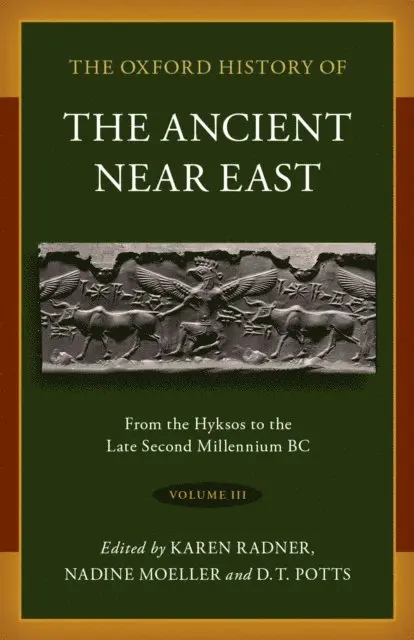
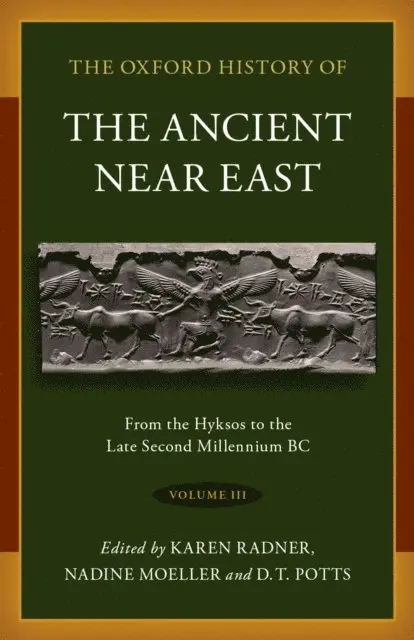
The Oxford History of the Ancient Near East
Volume III: From the Hyksos to the Late Second Millennium BC
Av Karen Radner, Nadine Moeller m. fl.
Inbunden, 2022
2920 kr
Lägg i varukorg
This groundbreaking, five-volume series offers a comprehensive, fully illustrated history of Egypt and Western Asia (the Levant, Anatolia, Mesopotamia, and Iran), from the emergence of complex states to the conquest of Alexander the Great. Written by a diverse, international team of leading …
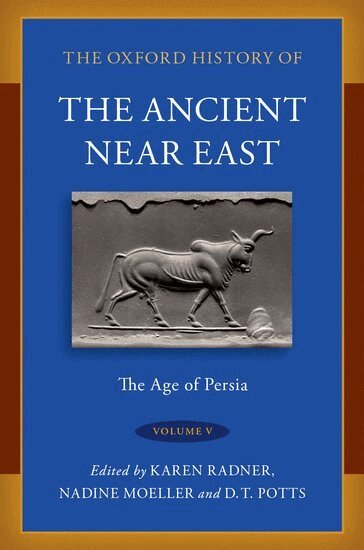
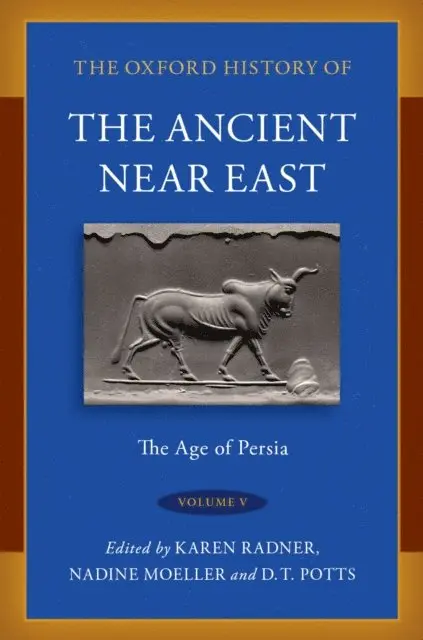
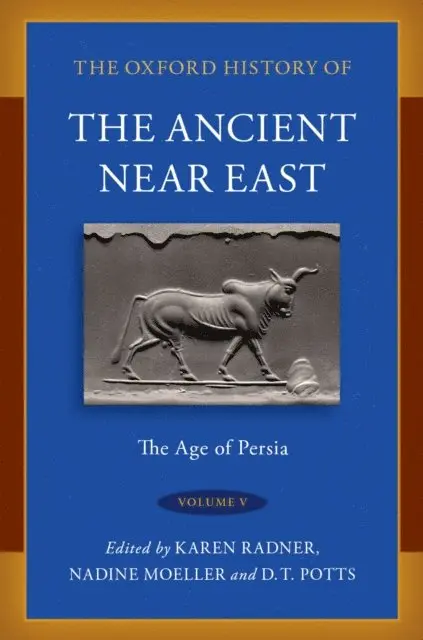
The Oxford History of the Ancient Near East
Volume V: The Age of Persia
Av Karen Radner, Nadine Moeller m. fl.
Inbunden, 2023
1540 kr
Lägg i varukorg
This groundbreaking, five-volume series offers a comprehensive, fully illustrated history of Egypt and Western Asia (the Levant, Anatolia, Mesopotamia, and Iran), from the emergence of complex states to the conquest of Alexander the Great. Written by a diverse, international team of leading …
Oxford History of the Ancient Near East
Volume III: From the Hyksos to the Late Second Millennium BC
Av D. T. Potts, Nadine Moeller m. fl.
E-bok, 2026
2020 kr
Lägg i varukorg
This groundbreaking, five-volume series offers a comprehensive, fully illustrated history of Egypt and Western Asia (the Levant, Anatolia, Mesopotamia, and Iran), from the emergence of complex states to the conquest of Alexander the Great. Written by a diverse, international team of leading …
Oxford History of the Ancient Near East
Volume II: From the End of the Third Millennium BC to the Fall of Babylon
Av D. T. Potts, Nadine Moeller m. fl.
E-bok, 2026
2058 kr
Lägg i varukorg
This groundbreaking, five-volume series offers a comprehensive, fully illustrated history of Egypt and Western Asia (the Levant, Anatolia, Mesopotamia, and Iran), from the emergence of complex states to the conquest of Alexander the Great. Written by a diverse, international team of leading …
Oxford History of the Ancient Near East
Volume II: From the End of the Third Millennium BC to the Fall of Babylon
Av D. T. Potts, Nadine Moeller m. fl.
E-bok, 2026
2058 kr
Lägg i varukorg
This groundbreaking, five-volume series offers a comprehensive, fully illustrated history of Egypt and Western Asia (the Levant, Anatolia, Mesopotamia, and Iran), from the emergence of complex states to the conquest of Alexander the Great. Written by a diverse, international team of leading …
Oxford History of the Ancient Near East
Volume III: From the Hyksos to the Late Second Millennium BC
Av D. T. Potts, Nadine Moeller m. fl.
E-bok, 2026
2020 kr
Lägg i varukorg
This groundbreaking, five-volume series offers a comprehensive, fully illustrated history of Egypt and Western Asia (the Levant, Anatolia, Mesopotamia, and Iran), from the emergence of complex states to the conquest of Alexander the Great. Written by a diverse, international team of leading …
Oxford History of the Ancient Near East
Volume IV: The Age of Assyria
Av D. T. Potts, Nadine Moeller m. fl.
E-bok, 2026
1416 kr
Lägg i varukorg
This groundbreaking, five-volume series offers a comprehensive, fully illustrated history of Egypt and Western Asia (the Levant, Anatolia, Mesopotamia, and Iran), from the emergence of complex states to the conquest of Alexander the Great. Written by a diverse, international team of leading …
Oxford History of the Ancient Near East
Volume IV: The Age of Assyria
Av D. T. Potts, Nadine Moeller m. fl.
E-bok, 2026
1416 kr
Lägg i varukorg
This groundbreaking, five-volume series offers a comprehensive, fully illustrated history of Egypt and Western Asia (the Levant, Anatolia, Mesopotamia, and Iran), from the emergence of complex states to the conquest of Alexander the Great. Written by a diverse, international team of leading …
Oxford History of the Ancient Near East
Volume V: The Age of Persia
Av D. T. Potts, Nadine Moeller m. fl.
E-bok, 2023
1416 kr
Lägg i varukorg
This groundbreaking, five-volume series offers a comprehensive, fully illustrated history of Egypt and Western Asia (the Levant, Anatolia, Mesopotamia, and Iran), from the emergence of complex states to the conquest of Alexander the Great. Written by a diverse, international team of leading …
Oxford History of the Ancient Near East
Volume V: The Age of Persia
Av D. T. Potts, Nadine Moeller m. fl.
E-bok, 2022
1416 kr
Lägg i varukorg
This groundbreaking, five-volume series offers a comprehensive, fully illustrated history of Egypt and Western Asia (the Levant, Anatolia, Mesopotamia, and Iran), from the emergence of complex states to the conquest of Alexander the Great. Written by a diverse, international team of leading …
Oxford History of the Ancient Near East
Volume I: From the Beginnings to Old Kingdom Egypt and the Dynasty of Akkad
Av D. T. Potts, Nadine Moeller m. fl.
E-bok, 2020
2077 kr
Lägg i varukorg
This groundbreaking, five-volume series offers a comprehensive, fully illustrated history of Egypt and Western Asia (the Levant, Anatolia, Mesopotamia, and Iran), from the emergence of complex states to the conquest of Alexander the Great. Written by a highly diverse, international team of leading …
Oxford History of the Ancient Near East
Volume I: From the Beginnings to Old Kingdom Egypt and the Dynasty of Akkad
Av D. T. Potts, Nadine Moeller m. fl.
E-bok, 2020
2077 kr
Lägg i varukorg
This groundbreaking, five-volume series offers a comprehensive, fully illustrated history of Egypt and Western Asia (the Levant, Anatolia, Mesopotamia, and Iran), from the emergence of complex states to the conquest of Alexander the Great. Written by a highly diverse, international team of leading …
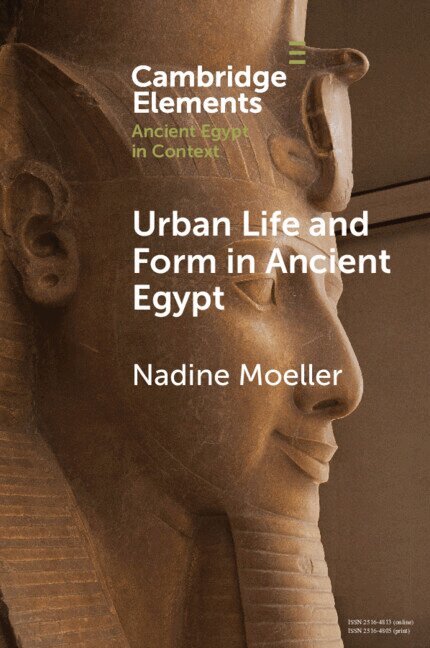
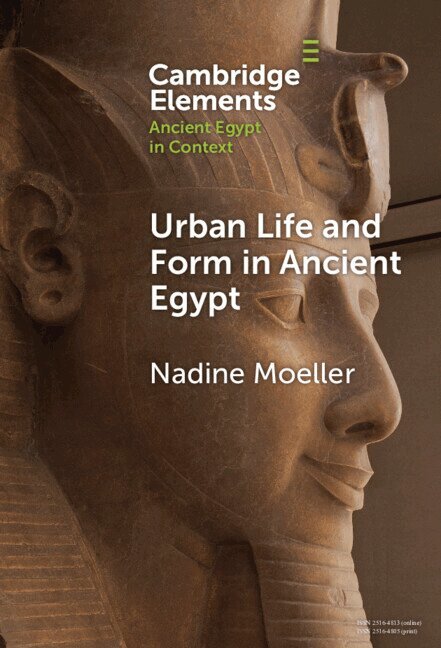
Urban Life and Form in Ancient Egypt
Häftad, 2026
291 kr
Lägg i varukorg
Taking into account archaeological and written sources, Egypt's urban past is remarkably evident throughout the pharaonic period, as can be demonstrated by a selection of relevant examples. There is also evidence of some unusual forms of towns and cities that do not readily fit into the common …
Urban Life and Form in Ancient Egypt
Inbunden, 2026
918 kr
Lägg i varukorg
Taking into account archaeological and written sources, Egypt's urban past is remarkably evident throughout the pharaonic period, as can be demonstrated by a selection of relevant examples. There is also evidence of some unusual forms of towns and cities that do not readily fit into the common …
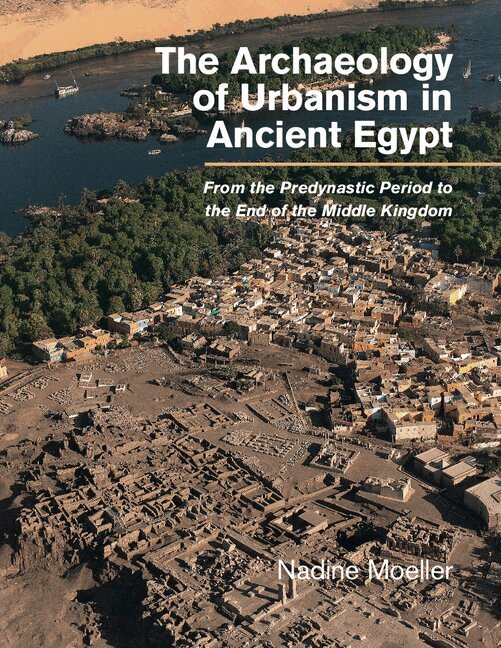
The Archaeology of Urbanism in Ancient Egypt
From the Predynastic Period to the End of the Middle Kingdom
Inbunden, 2016
1394 kr
Lägg i varukorg
In this book, Nadine Moeller challenges prevailing views on Egypt's non-urban past and argues for Egypt as an early urban society. She traces the emergence of urban features during the Predynastic period up to the disintegration of the powerful Middle Kingdom state (c.3500-1650 BC). This book …
The Archaeology of Urbanism in Ancient Egypt
From the Predynastic Period to the End of the Middle Kingdom
Häftad, 2018
687 kr
Lägg i varukorg
In this book, Nadine Moeller challenges prevailing views on Egypt's non-urban past and argues for Egypt as an early urban society. She traces the emergence of urban features during the Predynastic period up to the disintegration of the powerful Middle Kingdom state (c.3500-1650 BC). This book …
Online-Marketing am Beispiel der Bundesgartenschau "Havelregion 2015"
Häftad, 2012
286 kr
Lägg i varukorg
Kampf gegen Kinderarbeit. Die Internationale Arbeitsorganisation als Sonderorganisation der Vereinten Nationen
Eine Analyse der Grenzen und Möglichkeiten
Häftad, 2013
374 kr
Lägg i varukorg
"Responsibility to Protect" im Spannungsverhältnis von staatlicher Souveränität und internationaler Schutzverantwortung
Am Beispiel der Intervention im Libyen-Konflikt 2011
Häftad, 2013
374 kr
Lägg i varukorg
spanische Kriminalroman zur Zeit der Diktatur und der Transición
am Beispiel von Mario Lacruz und Manuel Vázquez Montalbán
Häftad, 2013
373 kr
Lägg i varukorg
Wegbereiter der englischen Frauenbewegung im Vergleich
Mary Wollstonecraft und John Stuart Mill/ Harriet Taylor Mill
Häftad, 2014
338 kr
Lägg i varukorg