Nancy Beck Young – författare
Visar alla böcker från författaren Nancy Beck Young. Handla med fri frakt och snabb leverans.
14 produkter
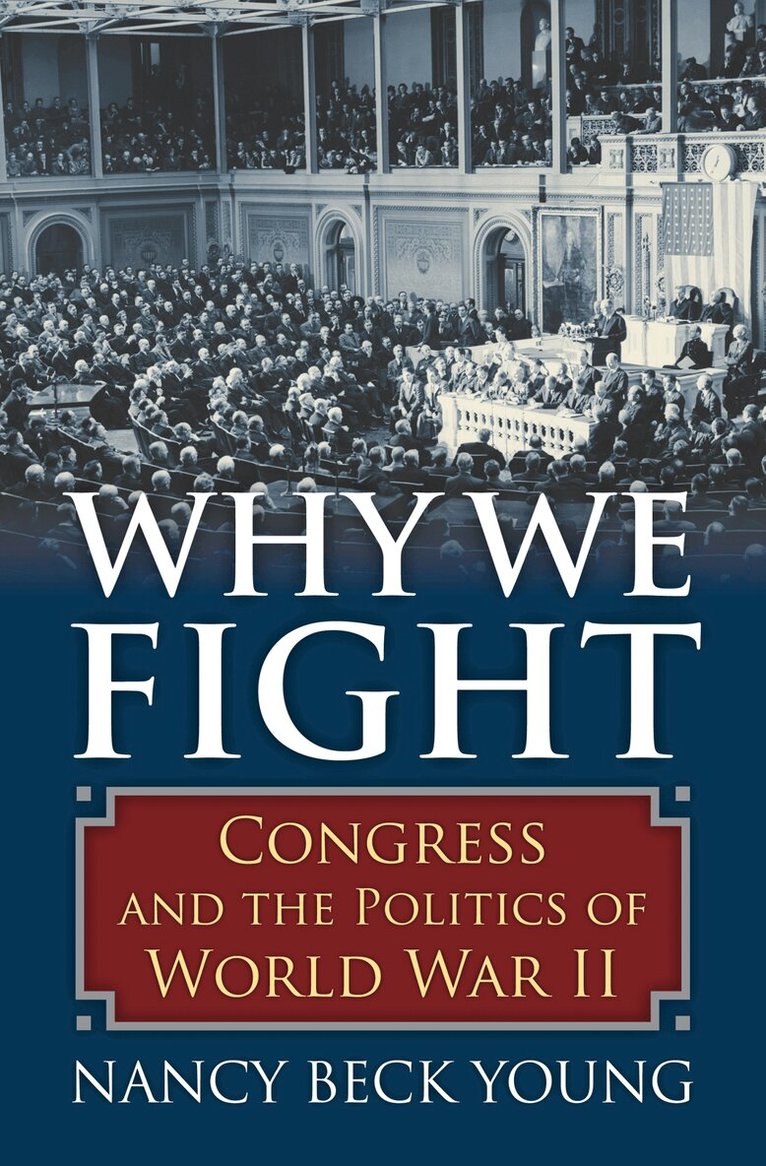
Why We Fight
Congress and the Politics of World War II
Inbunden, 2013
699 kr
Lägg i varukorg
History tells us that World War II united Americans, but as in other conflicts it was soon back to politics as usual. Nancy Beck Young argues that the illusion of cooperative congressional behaviour actually masked internecine party warfare over the New Deal. Young takes a close look at Congress …
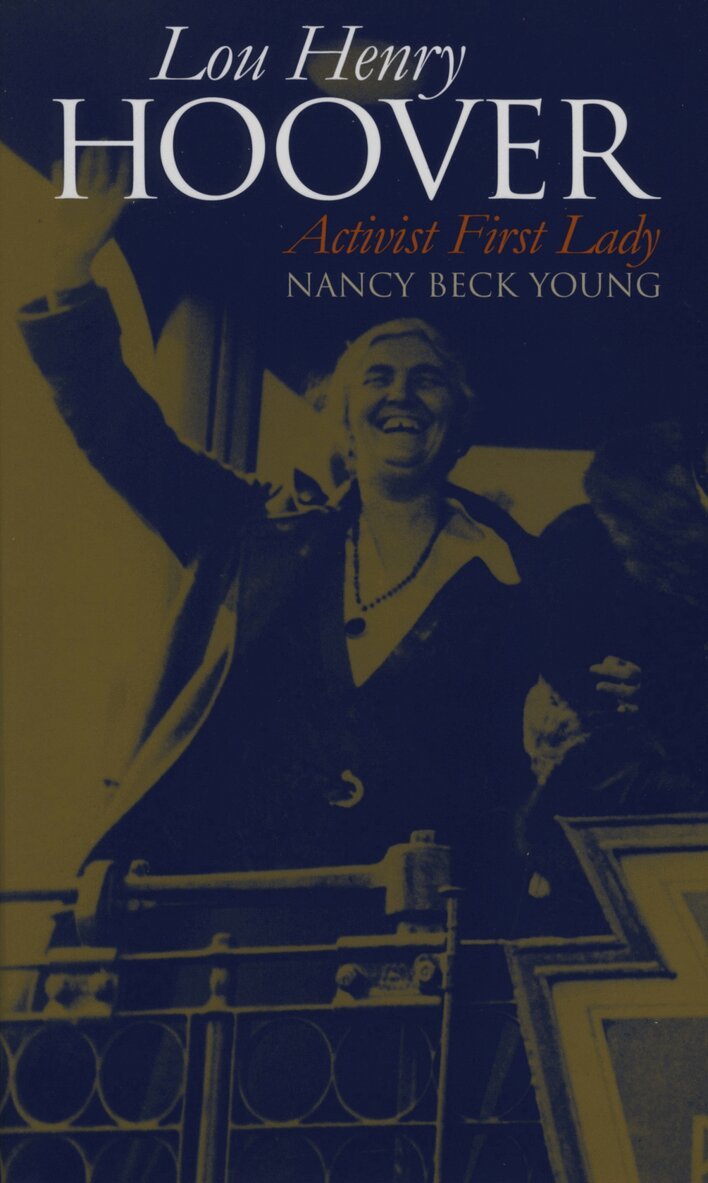
Lou Henry Hoover
Activist First Lady
Häftad, 2016
342 kr
Lägg i varukorg
Although overshadowed by her higher-profile successors, Lou Henry Hoover was in many ways the nation’s first truly modern First Lady. She was the first to speak on the radio and give regular interviews. She was the first to be a public political persona in her own right. And, although the White …
Lou Henry Hoover
Activist First Lady
E-bok, 2016
306 kr
Lägg i varukorg
Although overshadowed by her higher-profile successors, Lou Henry Hoover was in many ways the nation’s first truly modern First Lady. She was the first to speak on the radio and give regular interviews. She was the first to be a public political persona in her own right. And, although the White …
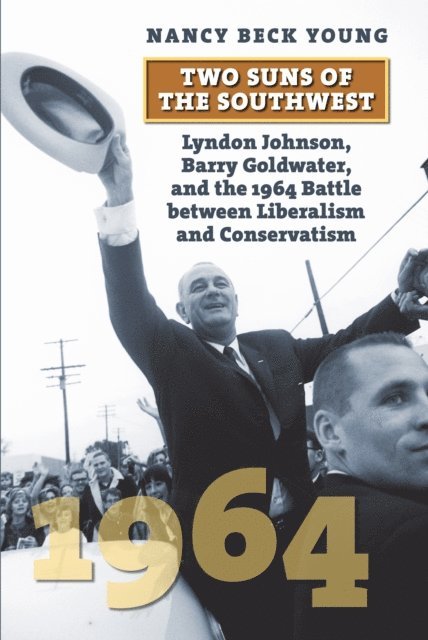
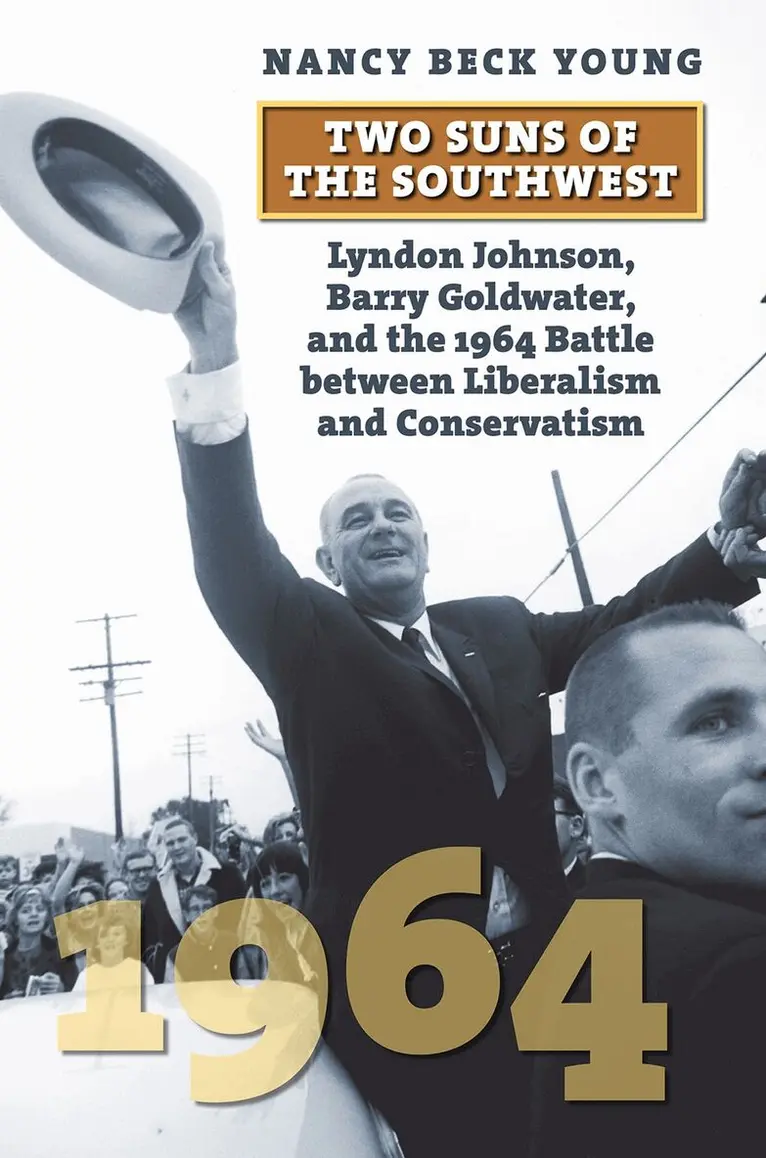
Two Suns of the Southwest
Lyndon Johnson, Barry Goldwater, and the 1964 Battle between Liberalism and Conservatism
E-bok, 2019
390 kr
Lägg i varukorg
Over time the presidential election of 1964 has come to be seen as a generational shift, a defining moment in which Americans deliberated between two distinctly different visions for the future. In its juxtaposition of these divergent visions, Two Suns of the Southwest is the first full account of …
Two Suns of the Southwest
Lyndon Johnson, Barry Goldwater, and the 1964 Battle Between Liberalism and Conservatism
Häftad, 2022
332 kr
Lägg i varukorg
Over time the presidential election of 1964 has come to be seen as a generational shift, a defining moment in which Americans deliberated between two distinctly different visions for the future. In its juxtaposition of these divergent visions, Two Suns of the Southwest is the first full account of …
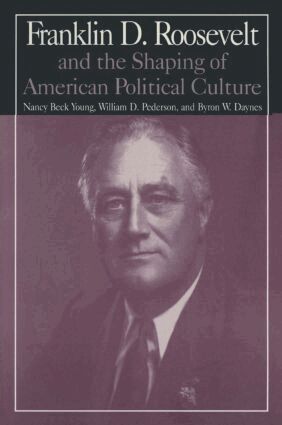
M.E.Sharpe Library of Franklin D.Roosevelt Studies
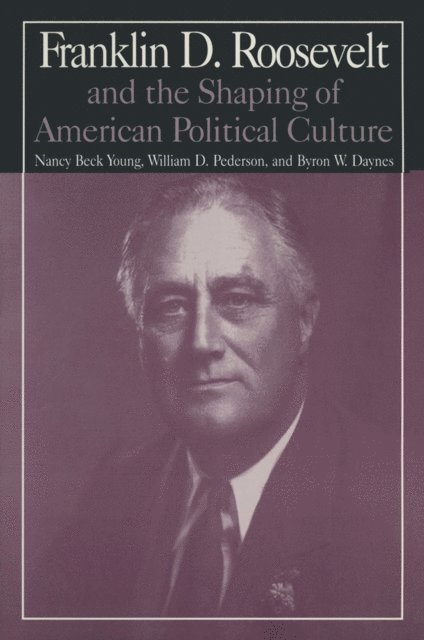
Volume 1: Franklin D.Roosevelt and the Shaping of American Political Culture
Av Nancy Beck Young, William D. Pederson m. fl.
Inbunden, 2000
1615 kr
Lägg i varukorg
Although Roosevelt had no single plan to alter Congress's role, the incremental changes adopted during the New Deal transformed Congress. Examining the immediate reactions of groups in Congress and beyond, and the long-term effects, this study offers insights into a key period in US politics.
M.E.Sharpe Library of Franklin D.Roosevelt Studies: v. 1: Franklin D.Roosevelt and the Shaping of American Political Culture
Häftad, 2001
687 kr
Lägg i varukorg
How did Americans respond to the economic catastrophe of 1929? In what ways did the social and cultural responses of the American people inform the politics of the period? How did changes in political beliefs alter cultural activities? This volume examines the presidency of FDR through a very …
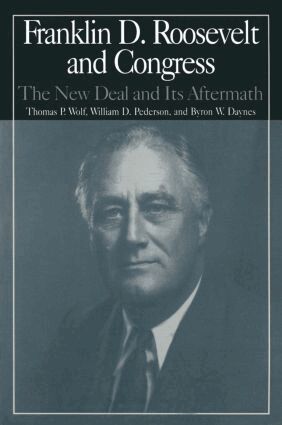
M.E.Sharpe Library of Franklin D.Roosevelt Studies: v. 2
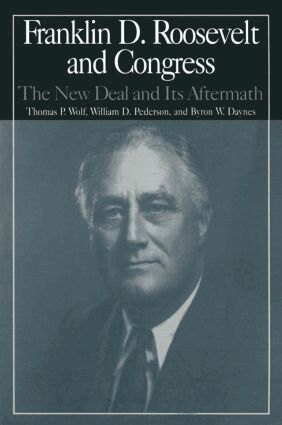
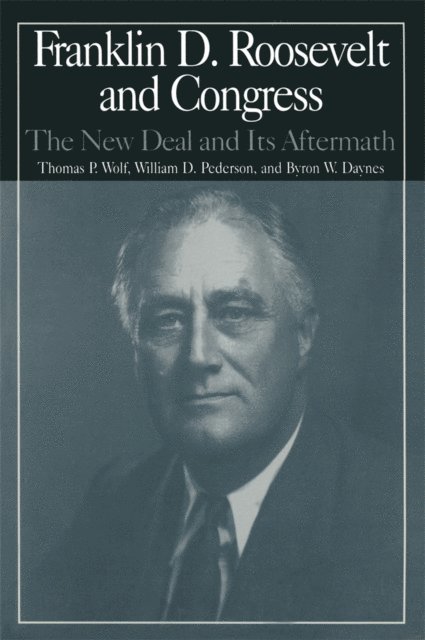
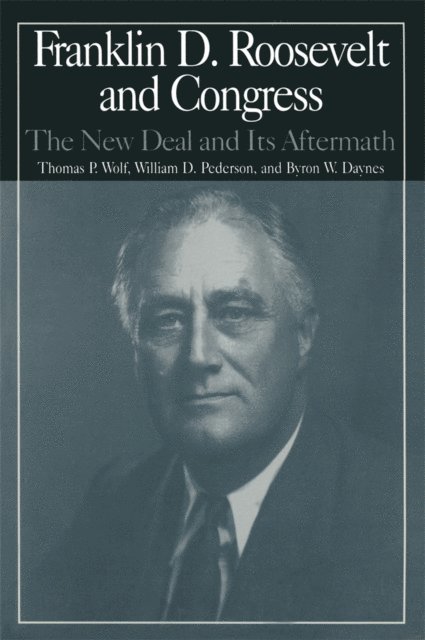
Franklin D.Roosevelt and Congress - The New Deal and it's Aftermath
Av Nancy Beck Young, William D. Pederson m. fl.
Inbunden, 2000
2666 kr
Lägg i varukorg
This book assesses contrasting interpretations of President Roosevelt's relations with the Nye Committee. It explores the complexity confronting Rayburn in weighing the factors that influenced his actions during the New Deal portion of his near half century in Congress.
M.E.Sharpe Library of Franklin D.Roosevelt Studies: v. 2
Franklin D.Roosevelt and Congress - The New Deal and it's Aftermath
Av Nancy Beck Young, William D. Pederson m. fl.
Häftad, 2001
687 kr
Lägg i varukorg
This book assesses contrasting interpretations of President Roosevelt's relations with the Nye Committee. It explores the complexity confronting Rayburn in weighing the factors that influenced his actions during the New Deal portion of his near half century in Congress.
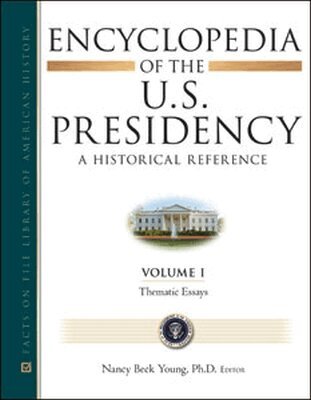
Encyclopedia of the U.S. Presidency (six Volumes)
Inbunden, 2013
6156 kr
Lägg i varukorg
The landmark reference to this important topic, the six-volume Encyclopedia of the U.S. Presidency devotes one comprehensive chapter to each of the 44 U.S. presidents and his administration. Each presidential chapter—featuring a biography, an article on the presidential campaign, and an article on …
M.E.Sharpe Library of Franklin D.Roosevelt Studies: v. 1: Franklin D.Roosevelt and the Shaping of American Political Culture
E-bok, 2022
785 kr
Lägg i varukorg
How did Americans respond to the economic catastrophe of 1929? In what ways did the social and cultural responses of the American people inform the politics of the period? How did changes in political beliefs alter cultural activities? This volume examines the presidency of FDR through a very …
M.E.Sharpe Library of Franklin D.Roosevelt Studies: v. 1: Franklin D.Roosevelt and the Shaping of American Political Culture
E-bok, 2022
785 kr
Lägg i varukorg
How did Americans respond to the economic catastrophe of 1929? In what ways did the social and cultural responses of the American people inform the politics of the period? How did changes in political beliefs alter cultural activities? This volume examines the presidency of FDR through a very …
M.E.Sharpe Library of Franklin D.Roosevelt Studies: v. 2
Franklin D.Roosevelt and Congress - The New Deal and it''s Aftermath
Av Byron W. Daynes, William D. Pederson m. fl.
E-bok, 2019
785 kr
Lägg i varukorg
This book assesses contrasting interpretations of President Roosevelt''s relations with the Nye Committee. It explores the complexity confronting Rayburn in weighing the factors that influenced his actions during the New Deal portion of his near half century in Congress.
M.E.Sharpe Library of Franklin D.Roosevelt Studies: v. 2
Franklin D.Roosevelt and Congress - The New Deal and it''s Aftermath
Av Byron W. Daynes, William D. Pederson m. fl.
E-bok, 2019
785 kr
Lägg i varukorg
This book assesses contrasting interpretations of President Roosevelt''s relations with the Nye Committee. It explores the complexity confronting Rayburn in weighing the factors that influenced his actions during the New Deal portion of his near half century in Congress.