Nancy Bonvillain - Böcker
Visar alla böcker från författaren . Handla med fri frakt och snabb leverans.
8 produkter
8 produkter
3 879 kr
Skickas inom 10-15 vardagar
The Routledge Handbook of Linguistic Anthropology is a broad survey of linguistic anthropology, featuring contributions from prominent scholars in the field. Each chapter presents a brief historical summary of research in the field and discusses topics and issues of current concern to people doing research in linguistic anthropology. The handbook is organized into four parts – Language and Cultural Productions; Language Ideologies and Practices of Learning; Language and the Communication of Identities; and Language and Local/Global Power – and covers current topics of interest at the intersection of the two fields, while also contextualizing them within discussions of fieldwork practice. Featuring 30 contributions from leading scholars in the field, The Routledge Handbook of Linguistic Anthropology is an essential overview for students and researchers interested in understanding core concepts and key issues in linguistic anthropology.
3 347 kr
Kommande
The Handbook of Linguistic Anthropology is an extensive and authoritative collection of topical, theoretical, and methodological perspectives in the broad field of linguistic anthropology. Now in its second edition, it has been fully updated to address current and pressing global challenges and inspire action.Carefully edited by Bonvillain and García-Sánchez, this volume advances readers’ understanding of how language intersects with cognitive processes and social identities of gender, race, sexual orientation, and neurodiversity. Across twenty-nine chapters, contributors outline the foundations and key issues of linguistic anthropology, particularly language ideologies, while exploring practical approaches to research. Drawing from their research experience in universities across North America and abroad, they particularly emphasise ways in which theories and methodologies can contribute to social action and social justice movements on environmental and transitional justice, immigration and multilingualism, and Indigenous language revitalization or re-awakening.This handbook is an indispensable resource for students and researchers of applied and linguistic anthropology.
1 721 kr
Skickas inom 7-10 vardagar
The fifth edition of Women and Men: Cultural Constructs of Gender presents a synthesis of a wide range of ethnographic and historical data concerning the roles of women, men, and gender nonconforming people in different societies. It focuses on both material conditions and ideological valuations that affect and reflect cultural models of gender.NEW TO THIS EDITIONChapter 3 includes new sections on alternative gendered identities in the Lakota of the Plains and the Navajo of the Southwest and on Yanomamo land rights.Chapter 4 contains new sections on marriage options in the Northwest Coast and on Canadian First Nations contemporary issues concerning territorial rights and the protection of lands from contamination.Chapter 6 is significantly expanded by thorough discussions of the intersectionality of gender, class, and race.Chapter 7 includes a new section on the transmigration of women from poor countries in Asia, Africa, and Central and South America to wealthier countries in the Middle East, Europe, and North America to work as nannies, cooks, and other household help, as well as other resources. Chapter 8 is significantly revised to include changes that have recently taken place to counter dominating and dominant notions of gender and sexuality.This revision contains numerous new sections along with updated economic and social statistical data pertaining to the United States and to global resources. It reframes concepts of gender and of the intersectionality of gender, class, and race as they relate to discussions throughout the book. Ethnographic studies are expanded to include contemporary material on the peoples featured in the chapters.
851 kr
Skickas inom 7-10 vardagar
The fifth edition of Women and Men: Cultural Constructs of Gender presents a synthesis of a wide range of ethnographic and historical data concerning the roles of women, men, and gender nonconforming people in different societies. It focuses on both material conditions and ideological valuations that affect and reflect cultural models of gender.NEW TO THIS EDITIONChapter 3 includes new sections on alternative gendered identities in the Lakota of the Plains and the Navajo of the Southwest and on Yanomamo land rights.Chapter 4 contains new sections on marriage options in the Northwest Coast and on Canadian First Nations contemporary issues concerning territorial rights and the protection of lands from contamination.Chapter 6 is significantly expanded by thorough discussions of the intersectionality of gender, class, and race.Chapter 7 includes a new section on the transmigration of women from poor countries in Asia, Africa, and Central and South America to wealthier countries in the Middle East, Europe, and North America to work as nannies, cooks, and other household help, as well as other resources. Chapter 8 is significantly revised to include changes that have recently taken place to counter dominating and dominant notions of gender and sexuality.This revision contains numerous new sections along with updated economic and social statistical data pertaining to the United States and to global resources. It reframes concepts of gender and of the intersectionality of gender, class, and race as they relate to discussions throughout the book. Ethnographic studies are expanded to include contemporary material on the peoples featured in the chapters.
1 877 kr
Skickas
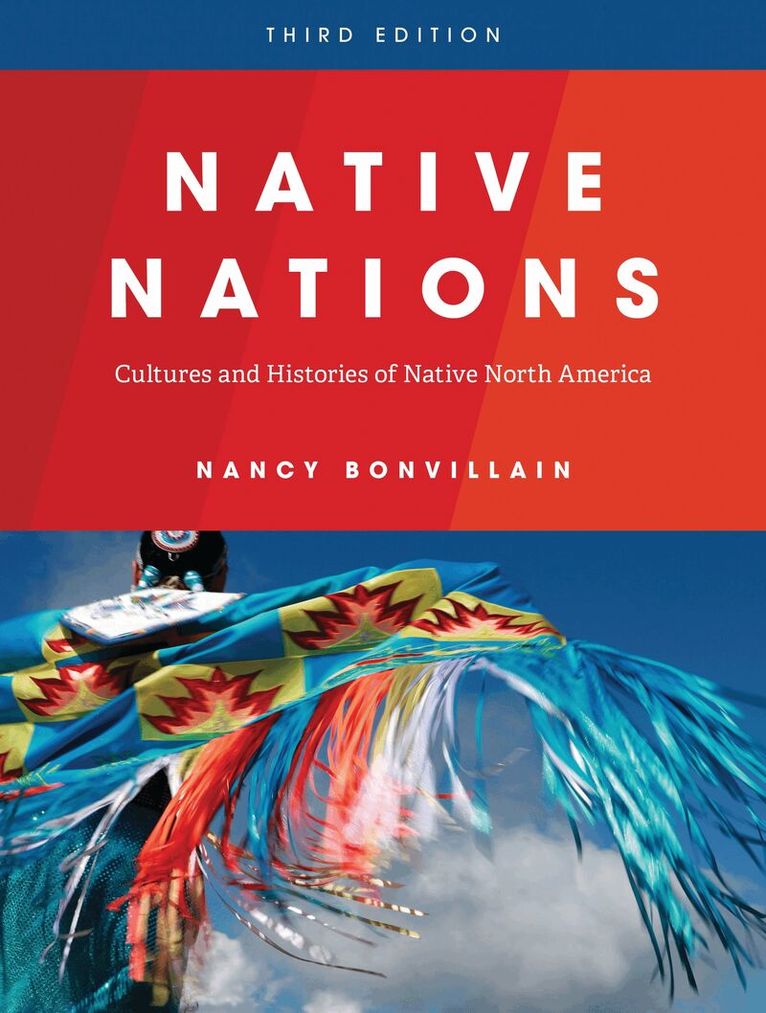
Combining historical background with discussion of contemporary Native nations and their living cultures, this comprehensive text introduces students to the many Indigenous peoples in North America. Organized by region to highlight cultural practices, each part covers the topography, climate, and natural resources in the area and describes the range of cultural practices and beliefs among groups. Subsequent tribe-specific chapters are devoted to different Native communities, addressing both their history and contemporary lives.New to the Third Edition:New Chapter 26, “Contemporary Challenges” explores the issues facing Native communities today, including environmental crises, voting rights, residential school investigationsNew Chapter 27, “The Arts, Pop Culture, and Representation” examines contemporary Indigenous writers, musicians, and film makers as well as the challenges Indigenous peoples face with misrepresentationFully revised art program with a wealth of images and maps explores different Native culturesUpdated statistics on social and economic data as well as demographic profiles
970 kr
Skickas inom 10-15 vardagar
Combining historical background with discussion of contemporary Native nations and their living cultures, this comprehensive text introduces students to the many Indigenous peoples in North America. Organized by region to highlight cultural practices, each part covers the topography, climate, and natural resources in the area and describes the range of cultural practices and beliefs among groups. Subsequent tribe-specific chapters are devoted to different Native communities, addressing both their history and contemporary lives.New to the Third Edition:New Chapter 26, “Contemporary Challenges” explores the issues facing Native communities today, including environmental crises, voting rights, residential school investigationsNew Chapter 27, “The Arts, Pop Culture, and Representation” examines contemporary Indigenous writers, musicians, and film makers as well as the challenges Indigenous peoples face with misrepresentationFully revised art program with a wealth of images and maps explores different Native culturesUpdated statistics on social and economic data as well as demographic profiles
1 833 kr
Skickas inom 10-15 vardagar
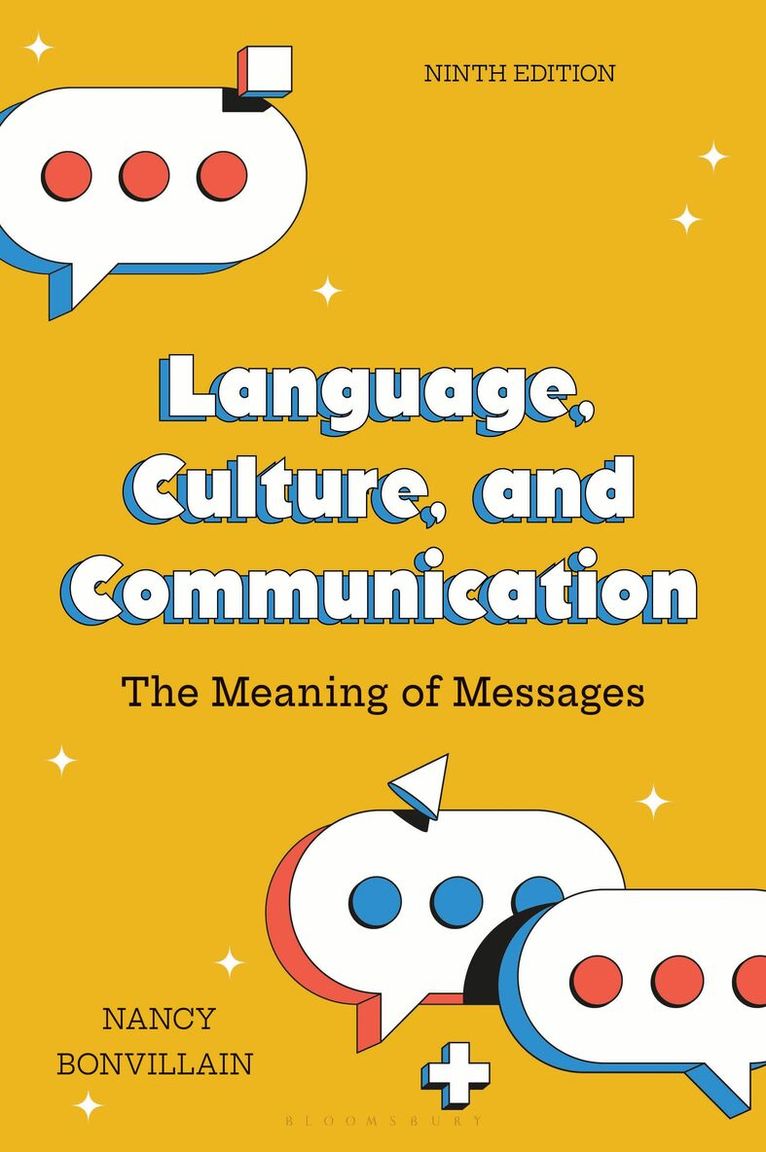
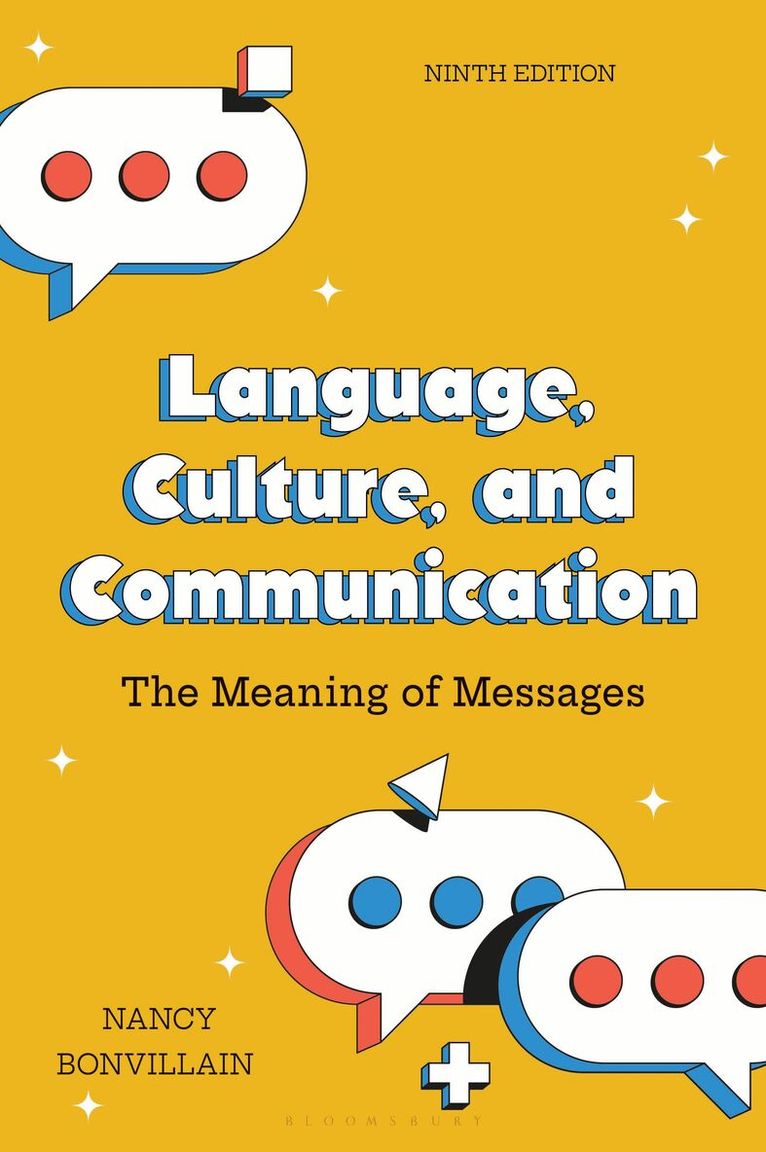
Language, Culture, and Communication introduces students to the topics and theories of the broad field of linguistic anthropology by examining the multifaceted meanings and uses of language. It emphasizes the ways in which language encapsulates speakers' meanings and intentions. Through language structure and language use, speakers convey messages about their own identities, their understandings of the world and their place in it. The book includes discussion of cultural and symbolic meanings conveyed by language and the social and political dimensions of language use.New to the Ninth Edition:- New Chapter 7, “Digital Communication,” discusses technological change, social media, artificial intelligence, and the rapid development of various systems and platforms for communication- New Chapter 6, “Signed Languages,” offers an expanded discussion of ASL vocabulary and grammar as well as language practices in Deaf communities with an emphasis on a global and international perspective- New discussion of African American Vernacular English (AAVE) stresses the intersection of language and lived experience- New case studies in every chapter highlight central concepts so that students can focus directly on understanding the many faceted goals of language in use - Expanded discussion of language and nation building in multilingual communities (including code switching and translanguaging) emphasizes how our speaking styles are “borderless”
732 kr
Skickas inom 7-10 vardagar
Language, Culture, and Communication introduces students to the topics and theories of the broad field of linguistic anthropology by examining the multifaceted meanings and uses of language. It emphasizes the ways in which language encapsulates speakers' meanings and intentions. Through language structure and language use, speakers convey messages about their own identities, their understandings of the world and their place in it. The book includes discussion of cultural and symbolic meanings conveyed by language and the social and political dimensions of language use.New to the Ninth Edition:- New Chapter 7, “Digital Communication,” discusses technological change, social media, artificial intelligence, and the rapid development of various systems and platforms for communication- New Chapter 6, “Signed Languages,” offers an expanded discussion of ASL vocabulary and grammar as well as language practices in Deaf communities with an emphasis on a global and international perspective- New discussion of African American Vernacular English (AAVE) stresses the intersection of language and lived experience- New case studies in every chapter highlight central concepts so that students can focus directly on understanding the many faceted goals of language in use - Expanded discussion of language and nation building in multilingual communities (including code switching and translanguaging) emphasizes how our speaking styles are “borderless”