Nancy E. van Deusen – författare
Visar alla böcker från författaren Nancy E. van Deusen. Handla med fri frakt och snabb leverans.
8 produkter
Between the Sacred and the Worldly
The Institutional and Cultural Practice of Recogimiento in Colonial Lima
E-bok, 2001
1070 kr
Lägg i varukorg
This groundbreaking work argues that the seminal concept of recogimiento functioned as a metaphor for the colonial relationship between Spain and Lima. Ubiquitous and flexible, recogimiento had three related meanings-two cultural and one institutional-that developed over a 200-year period in …
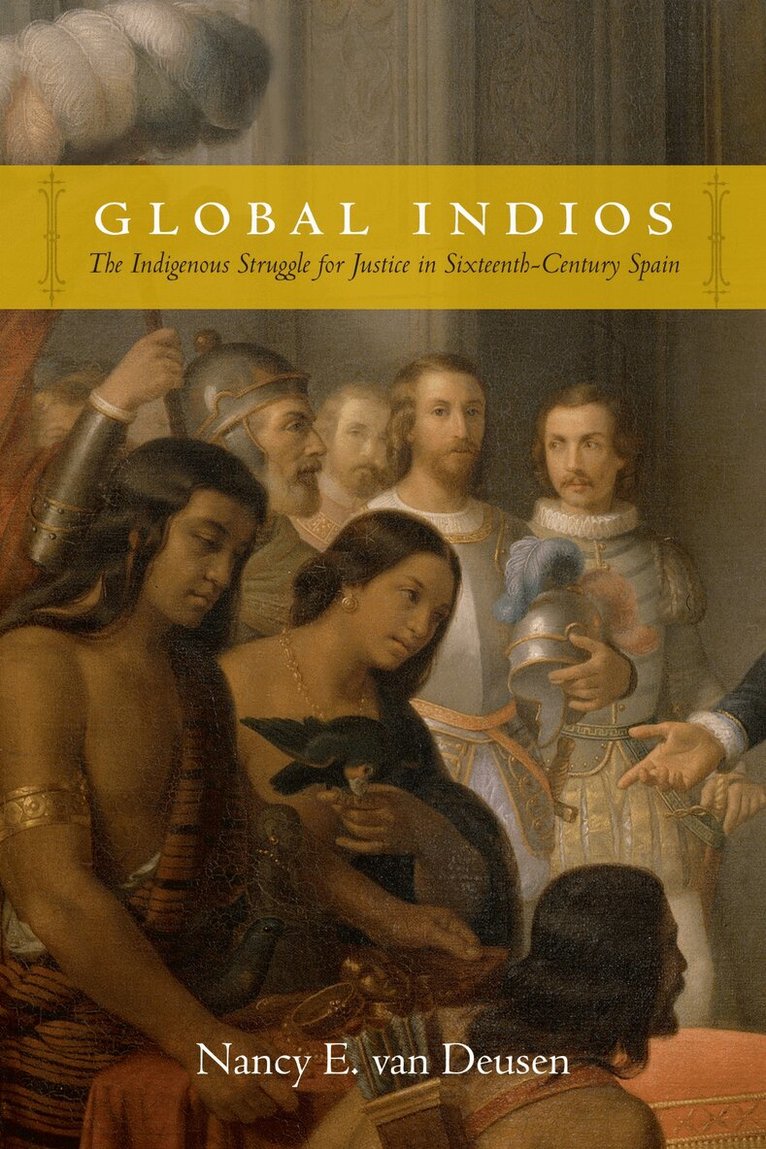
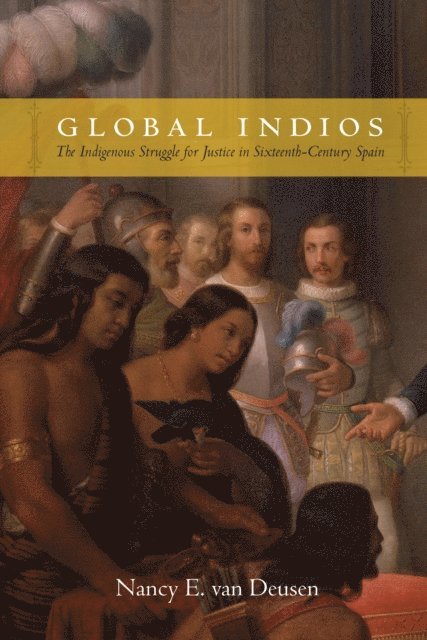
Global Indios
The Indigenous Struggle for Justice in Sixteenth-Century Spain
Inbunden, 2015
1617 kr
Lägg i varukorg
In the sixteenth century hundreds of thousands of indios-indigenous peoples from the territories of the Spanish empire-were enslaved and relocated throughout the Iberian world. Although various laws and decrees outlawed indio enslavement, several loopholes allowed the practice to continue. In …
Global Indios
The Indigenous Struggle for Justice in Sixteenth-Century Spain
Häftad, 2015
340 kr
Lägg i varukorg
In the sixteenth century hundreds of thousands of indios-indigenous peoples from the territories of the Spanish empire-were enslaved and relocated throughout the Iberian world. Although various laws and decrees outlawed indio enslavement, several loopholes allowed the practice to continue. In …
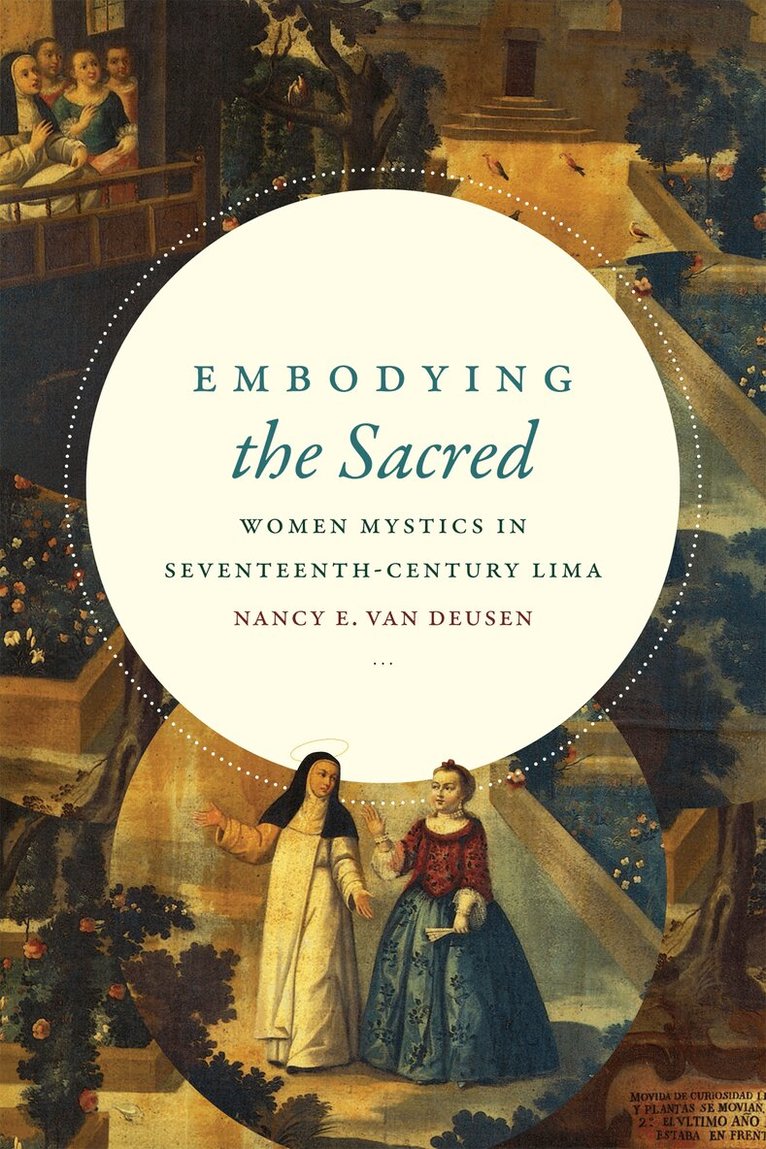
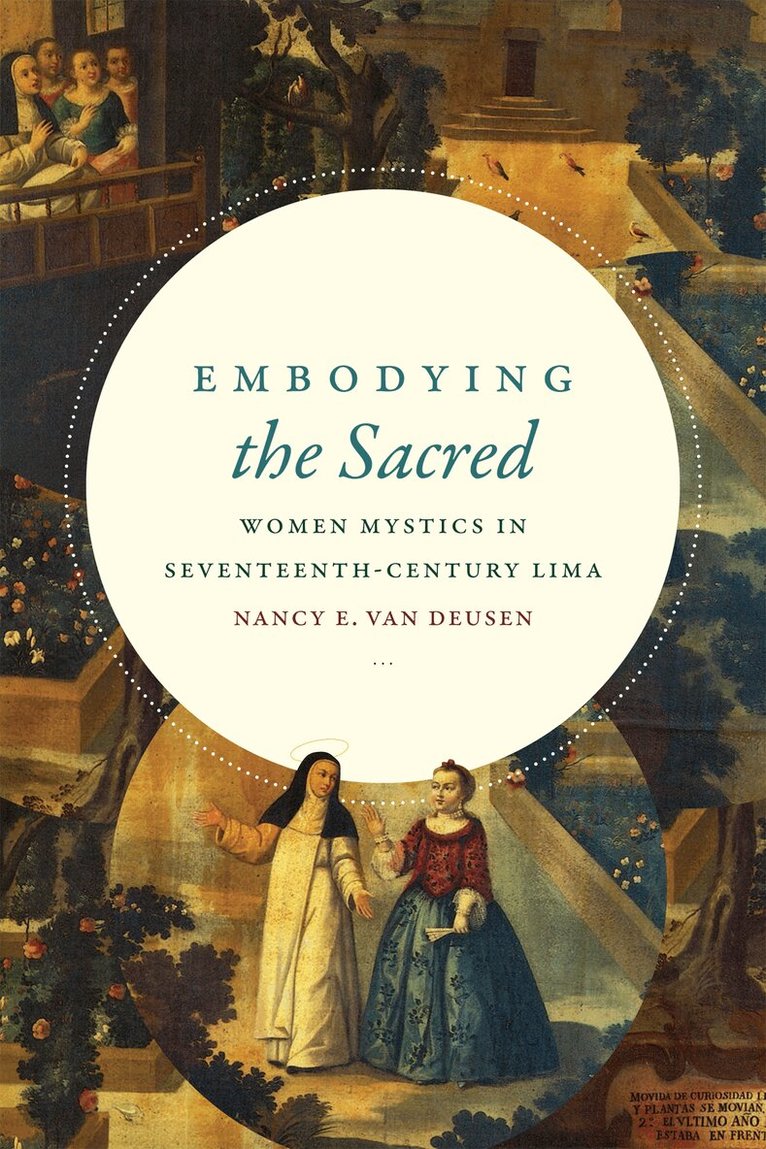
Embodying the Sacred
Women Mystics in Seventeenth-Century Lima
Inbunden, 2017
1158 kr
Lägg i varukorg
In seventeenth-century Lima, pious Catholic women gained profound theological understanding and enacted expressions of spiritual devotion by engaging with a wide range of sacred texts and objects, as well as with one another, their families, and ecclesiastical authorities. In Embodying the Sacred, …
Embodying the Sacred
Women Mystics in Seventeenth-Century Lima
Häftad, 2017
302 kr
Lägg i varukorg
In seventeenth-century Lima, pious Catholic women gained profound theological understanding and enacted expressions of spiritual devotion by engaging with a wide range of sacred texts and objects, as well as with one another, their families, and ecclesiastical authorities. In Embodying the Sacred, …
Embodying the Sacred
Women Mystics in Seventeenth-Century Lima
E-bok, 2017
456 kr
Lägg i varukorg
In seventeenth-century Lima, pious Catholic women gained profound theological understanding and enacted expressions of spiritual devotion by engaging with a wide range of sacred texts and objects, as well as with one another, their families, and ecclesiastical authorities. In Embodying the Sacred , …
Global Indios
The Indigenous Struggle for Justice in Sixteenth-Century Spain
E-bok, 2015
487 kr
Lägg i varukorg
In the sixteenth century hundreds of thousands of indios—indigenous peoples from the territories of the Spanish empire—were enslaved and relocated throughout the Iberian world. Although various laws and decrees outlawed indio enslavement, several loopholes allowed the practice to continue. In …
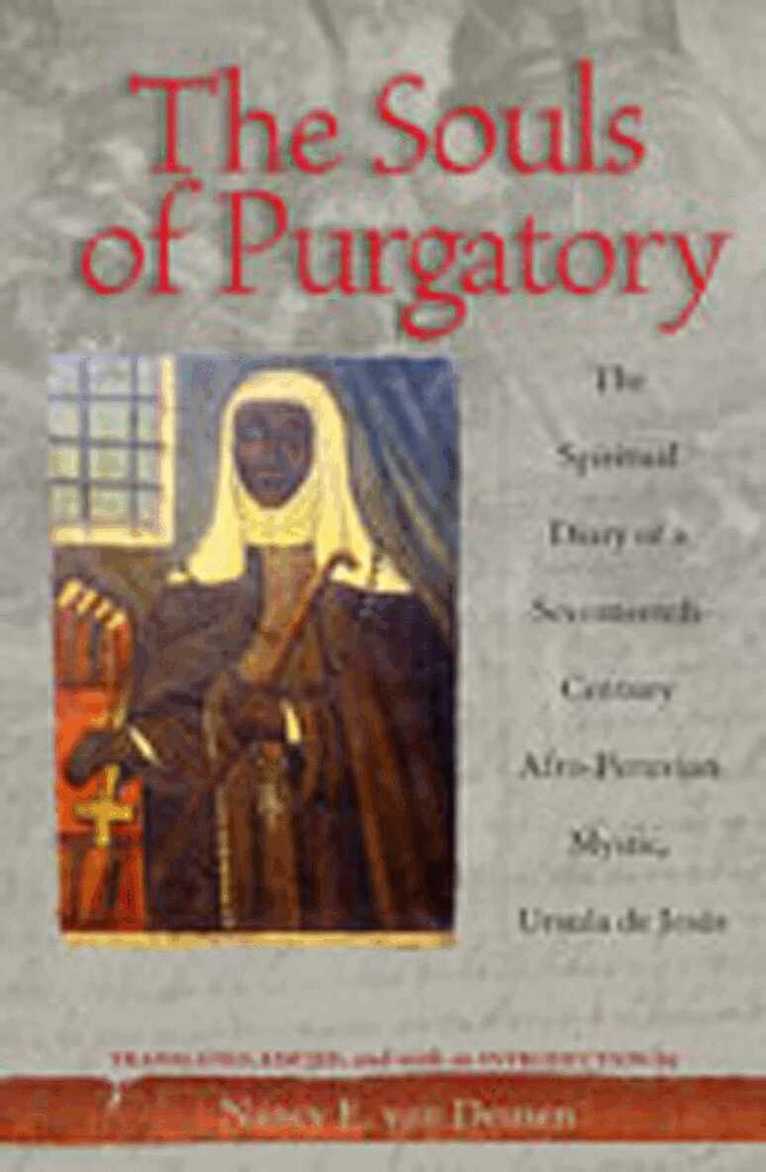
Souls of Purgatory
The Spiritual Diary of a Seventeenth-Century Afro-Peruvian Mystic, Ursula De Jesus
Av Ursula De Jesus, Nancy E. van Deusen
Häftad, 2004
540 kr
Lägg i varukorg
The life of the black religious servant Ursula de Jesus (1604-1666) has remained one of the best-kept historical secrets of the New World. This English language translation of the diary she began in 1650 allows us to hear the voice of the former slave turned spiritualist. Born into slavery in Lima, …