Nancy George - Böcker
Visar alla böcker från författaren Nancy George. Handla med fri frakt och snabb leverans.
4 produkter
4 produkter
1 791 kr
Skickas inom 7-10 vardagar
Bioinformatics, AI, and Machine Learning in Microbial Drug Development provides a comprehensive framework for integrating diverse fields like microbiology, bioinformatics, artificial intelligence, and machine learning, allowing readers to navigate complex interdisciplinary challenges effectively. This title offers an in-depth exploration of how these technologies are seamlessly integrated into pharmaceutical microbiology. The book, divided into 4 parts and 19 chapters, provides cutting-edge insights, practical guidance, and case studies. It emphasizes the importance of staying current with technological advancements, understanding ethical and regulatory issues, and optimizing drug production, making it an invaluable resource for industry professionals.Explores the intersection of microbes and cutting-edge technology, revolutionizing drug discoveryDelves into the possibilities to using bioinformatics to create microbial diversity, optimize drug production, and navigate ethical considerationsServes as a response to the growing demand for a holistic guide that integrates diverse fields such as microbiology, bioinformatics, artificial intelligence, and machine learning in the context of drug discovery and production
2 841 kr
Skickas inom 10-15 vardagar
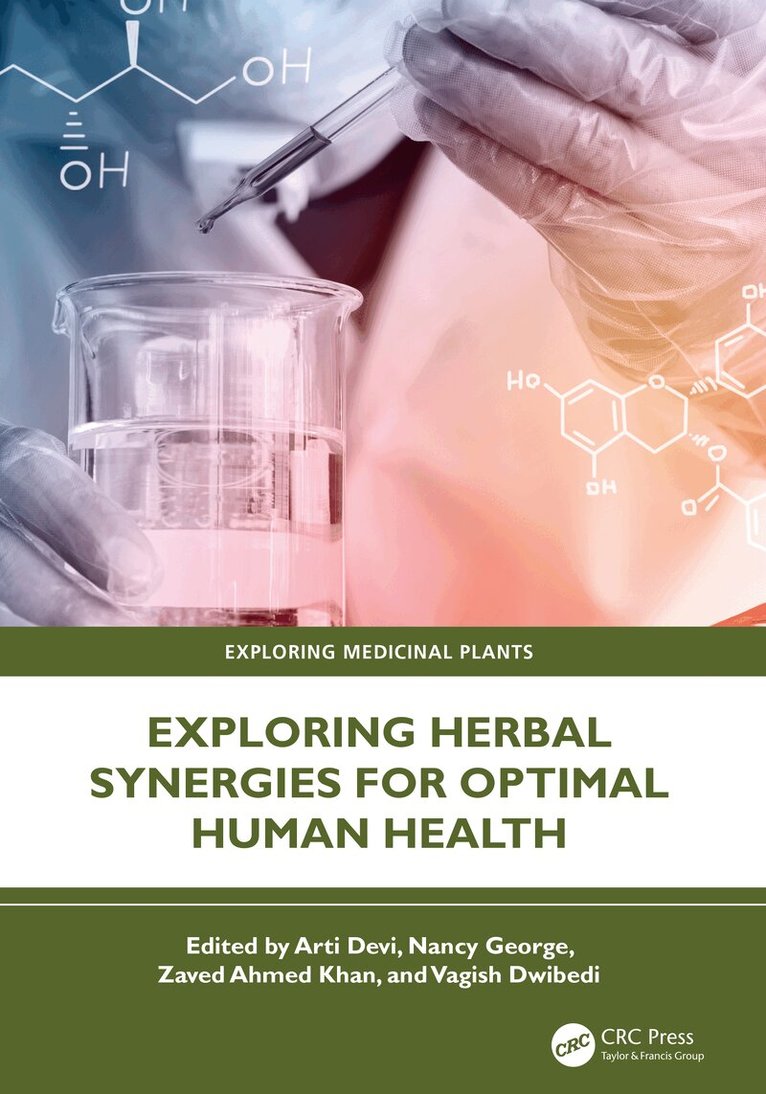
This book offers a comprehensive examination of the combined effects of medicinal herbs and their potential to enhance human well-being. Exploring Herbal Synergies for Optimal Human Health bridges traditional knowledge and modern scientific research, highlighting how herbal combinations can provide more effective, holistic approaches to health management.Through a diverse collection of chapters contributed by leading experts, the text covers the mechanisms behind herbal synergies, their applications in preventing and managing various health conditions, and the integration of botanical therapies within contemporary healthcare. It also addresses challenges such as safety, standardization, and evidence-based validation.A book in the Exploring Medicinal Plants series, this title is ideal for researchers, healthcare practitioners, and students in pharmacology, herbal medicine, and integrative health, serving as both a scholarly resource and a practical guide. By synthesizing current findings, it encourages further exploration of natural synergies to optimize therapeutic outcomes and support sustainable health solutions.
2 416 kr
Skickas inom 10-15 vardagar
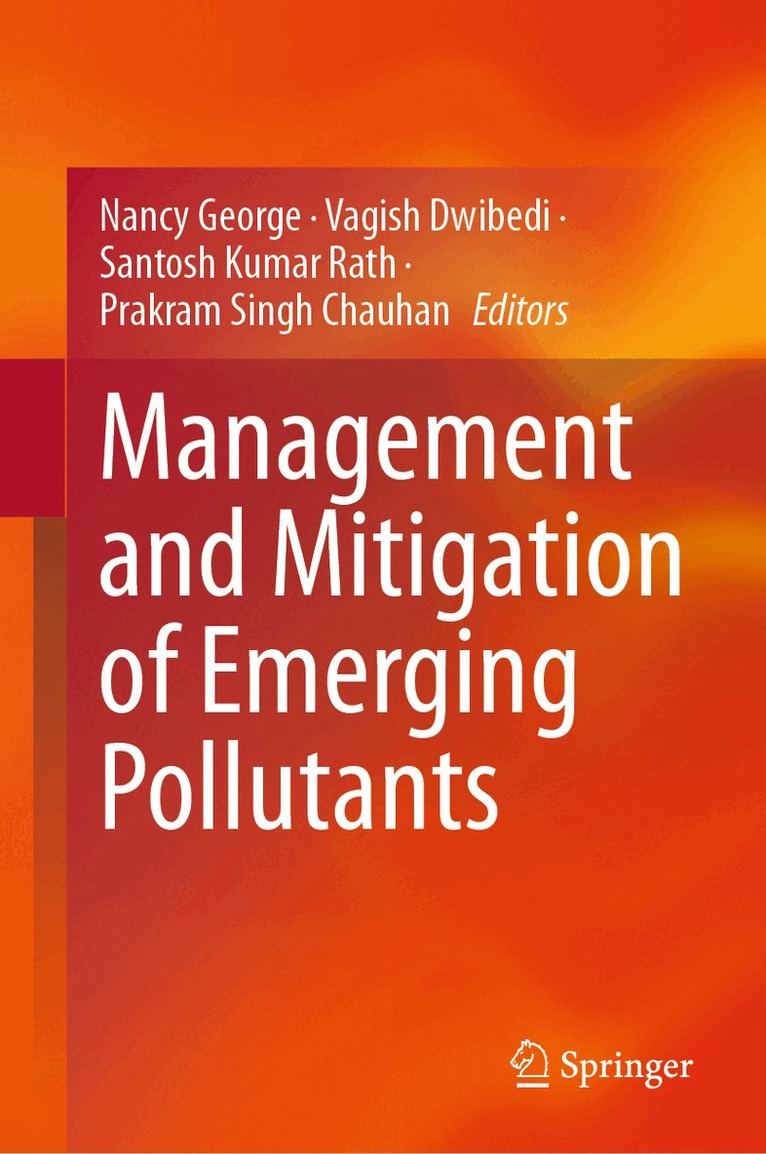
This book offers a comprehensive overview of the environmental challenges posed by emerging pollutants and the innovative strategies available for their management. Divided into 16 chapters, the book begins with an introduction to the origin and management of both inorganic and organic contaminants, offering a detailed examination of their sources and the potential risks they pose to ecosystems. It also explores current regulations and management practices aimed at mitigating their impact. In the following chapters, experts in the field cover topics such as conventional wastewater treatment methods for the removal of emerging pollutants, biotechnology-based strategies for the removal of emerging contaminants, microbial electro-deionization technologies, and algae-based bioremediation. Particular attention is given to specific remediation techniques, including phytomediated approaches, microbial fuel cells, and the novel application of microbial endophytes. Furthermore, the book explores the potential of nano-bioremediation and enzyme immobilization technologies, shedding light on their mechanism of interaction with nanomaterials and microbes for efficient treatment. Other chapters highlight the role of graphene-based nanocomposites, bio-based porous materials, and biosurfactants in the remediation of emerging pollutants, showcasing their unique capabilities and potential applications. In the final chapter of the book, readers will discover more about the impacts of emerging pollutants on environmental microbial communities and the consequential public health concerns that arise from their presence. Given its breadth, this book is a valuable resource for environmental scientists, policymakers, and industry professionals seeking to mitigate the ecological risks associated with these contaminants.
2 416 kr
Skickas inom 10-15 vardagar
This book offers a comprehensive overview of the environmental challenges posed by emerging pollutants and the innovative strategies available for their management. Divided into 16 chapters, the book begins with an introduction to the origin and management of both inorganic and organic contaminants, offering a detailed examination of their sources and the potential risks they pose to ecosystems. It also explores current regulations and management practices aimed at mitigating their impact. In the following chapters, experts in the field cover topics such as conventional wastewater treatment methods for the removal of emerging pollutants, biotechnology-based strategies for the removal of emerging contaminants, microbial electro-deionization technologies, and algae-based bioremediation. Particular attention is given to specific remediation techniques, including phytomediated approaches, microbial fuel cells, and the novel application of microbial endophytes. Furthermore, the book explores the potential of nano-bioremediation and enzyme immobilization technologies, shedding light on their mechanism of interaction with nanomaterials and microbes for efficient treatment. Other chapters highlight the role of graphene-based nanocomposites, bio-based porous materials, and biosurfactants in the remediation of emerging pollutants, showcasing their unique capabilities and potential applications. In the final chapter of the book, readers will discover more about the impacts of emerging pollutants on environmental microbial communities and the consequential public health concerns that arise from their presence. Given its breadth, this book is a valuable resource for environmental scientists, policymakers, and industry professionals seeking to mitigate the ecological risks associated with these contaminants.