Nancy Hedberg – författare
Visar alla böcker från författaren Nancy Hedberg. Handla med fri frakt och snabb leverans.
6 produkter
6 produkter
E-bok
Engelska, 2008852 kr
Läs direkt efter köp
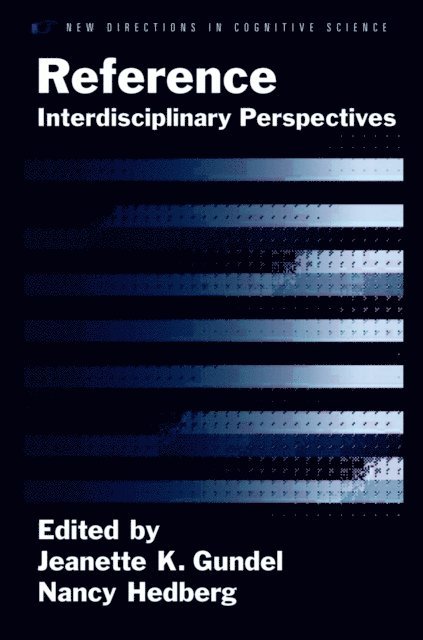
The ability to produce and understand referring expressions is basic to human language use and human cognition. Reference comprises the ability to think of and represent objects (both real and imagined/fictional), to indicate to others which of these objects we are talking about, and to determine what others are talking about when they use a nominal expression. The articles in this volume are concerned with some of the central themes and challenges in research on reference within the cognitive sciences - philosophy (including philosophy of language and mind, logic, and formal semantics), theoretical and computational linguistics, and cognitive psychology. The papers address four basic questions: What is reference? What is the appropriate analysis of different referring forms, such as definite descriptions? How is reference resolved? and How do speaker/writers select appropriate referring forms, such as pronouns vs. full noun phrases, demonstrative vs. personal pronouns, and overt vs. null/zero pronominal forms? Some of the papers assume and build on existing theories, such as Centering Theory and the Givenness Hierarchy framework; others propose their own models of reference understanding or production. The essays examine reference from a number of disciplinary and interdisciplinary perspectives, informed by different research traditions and employing different methodologies. While the contributors to the volume were primarily trained in one of the four represented disciplines-computer science, linguistics, philosophy and psychology, and use methodologies typical of that discipline, each of them bridges more than one discipline in their methodology and/or their approach.
Inbunden, Engelska, 2008
1 042 kr
Skickas inom 5-8 vardagar
The ability to produce and understand referring expressions is basic to human language use and human cognition. Reference comprises the ability to think of and represent objects (both real and imagined/fictional), to indicate to others which of these objects we are talking about, and to determine what others are talking about when they use a nominal expression.The articles in this volume are concerned with some of the central themes and challenges in research on reference within the cognitive sciences - philosophy (including philosophy of language and mind, logic, and formal semantics), theoretical and computational linguistics, and cognitive psychology. The papers address four basic questions: What is reference? What is the appropriate analysis of different referring forms, such as pronouns vs. full noun phrases, demonstrative vs. personal pronouns, and overt vs. null/zero pronominal forms? Some of the papers assume and build on existing theories, such as Centering Theory and the Givenness Hierarchy framework; others propose their own models of reference understanding or production.The essays examine reference from a number of disciplinary and interdisciplinary perspectives, informed by different research traditions and employing different methodologies. While the contributors to the volume were primarily trained in one of four represented disciplines - computer science, linguistics, philosophy and psychology, and use methodologies typical of that discipline, each of them bridges more than one discipline in their methodology and/or their approach.
E-bok
PDF, Engelska, 2008852 kr
Läs direkt efter köp
The ability to produce and understand referring expressions is basic to human language use and human cognition. Reference comprises the ability to think of and represent objects (both real and imagined/fictional), to indicate to others which of these objects we are talking about, and to determine what others are talking about when they use a nominal expression. The articles in this volume are concerned with some of the central themes and challenges in research on reference within the cognitive sciences - philosophy (including philosophy of language and mind, logic, and formal semantics), theoretical and computational linguistics, and cognitive psychology. The papers address four basic questions: What is reference? What is the appropriate analysis of different referring forms, such as definite descriptions? How is reference resolved? and How do speaker/writers select appropriate referring forms, such as pronouns vs. full noun phrases, demonstrative vs. personal pronouns, and overt vs. null/zero pronominal forms? Some of the papers assume and build on existing theories, such as Centering Theory and the Givenness Hierarchy framework; others propose their own models of reference understanding or production. The essays examine reference from a number of disciplinary and interdisciplinary perspectives, informed by different research traditions and employing different methodologies. While the contributors to the volume were primarily trained in one of the four represented disciplines-computer science, linguistics, philosophy and psychology, and use methodologies typical of that discipline, each of them bridges more than one discipline in their methodology and/or their approach.
Inbunden, Engelska, 2010
363 kr
Skickas inom 5-8 vardagar
E-bok
Engelska, 2010309 kr
Läs direkt efter köp
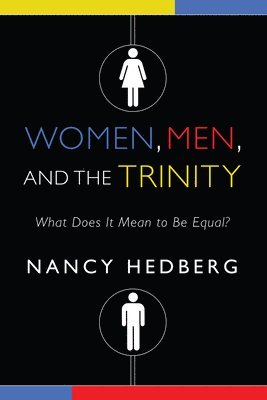
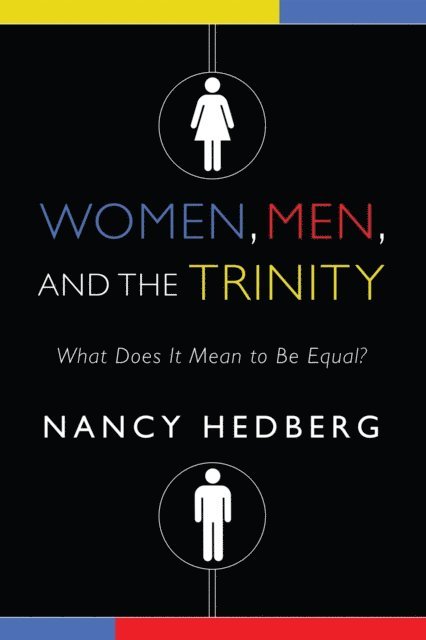
There is a gridlock in churches today regarding the role of women. This debate extends beyond the relationship between men and women. In 1 Corinthians 11:3, when Paul says, the head of woman is man, and the head of Christ is God, he is drawing a parallel between the relationship of men and women and the relationship of the Father and the Son within the Trinity. This book explores the controversial theological premise that, while maintaining equality of essence, functionally the Son is eternally subordinate to the Father and women are permanently subordinate to men. Nancy Hedberg shares from her research and personal experience to make the case that equality of essence on the one hand, and permanent functional subordination on the other-whether applied to the Trinity or the relationship between men and women-is a questionable premise and is not supported logically, historically, or biblically. Women, Men, and the Trinity includes contemporary, historical, and biblical research regarding functional and essential equality and explores the practical implications of true equality.
Häftad, Engelska, 2010
212 kr
Skickas inom 5-8 vardagar