Nancy L. Canepa - Böcker
Visar alla böcker från författaren Nancy L. Canepa. Handla med fri frakt och snabb leverans.
4 produkter
4 produkter
482 kr
Skickas inom 10-15 vardagar
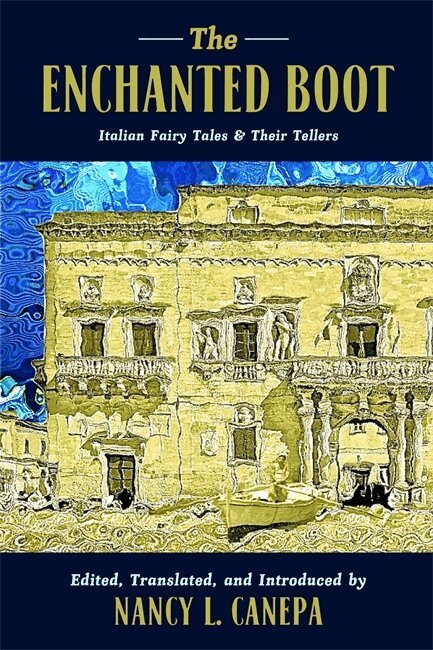
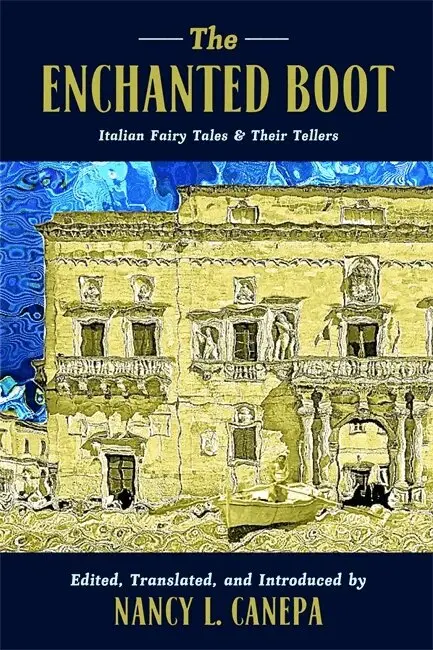
This comprehensive collection of Italian tales in English encourages a revisitation of the fairy-tale canon in light of some of the most fascinating material that has often been excluded from it. In the United States, we tend to associate fairy tales with children and are most familiar with the tales of the Brothers Grimm, Hans Christian Anderson, and Disney. But the first literary fairy tales appeared in Renaissance Italy, and long before the Grimms there was already a rich and sophisticated tradition that included hundreds of tales, including many of those today considered "classic." The authors featured in this volume have, over the centuries, explored and interrogated the intersections between elite and popular cultures and oral and literary narratives, just as they have investigated the ways in which fairy tales have been and continue to be rewritten as expressions of both collective identities and individual sensibilities. The fairy tale in its Italian incarnations provides a striking example of how this genre is a potent vehicle for expressing cultural aspirations and anxieties as well as for imagining different ways of narrating shared futures.
589 kr
Skickas inom 10-15 vardagar
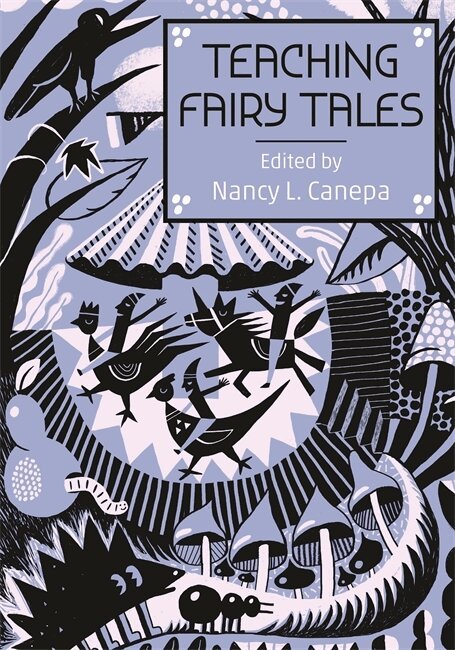
Teaching Fairy Tales edited by Nancy L. Canepa brings together scholars who have contributed to the field of fairy-tale studies since its origins. This collection offers information on materials, critical approaches and ideas, and pedagogical resources for the teaching of fairy tales in one comprehensive source that will further help bring fairy-tale studies into the academic mainstream. The volume begins by posing some of the big questions that stand at the forefront of fairy-tale studies: How should we define the fairy tale? What is the ""classic"" fairy tale? Does it make sense to talk about a fairy-tale canon? The first chapter includes close readings of tales and their variants, in order to show how fairy tales aren't simple, moralizing, and/or static narratives. The second chapter focuses on essential moments and documents in fairy-tale history, investigating how we gain unique perspectives on cultural history through reading fairy tales. Contributors to chapter 3 argue that encouraging students to approach fairy tales critically, either through well-established lenses or newer ways of thinking, enables them to engage actively with material that can otherwise seem over-familiar. Chapter 4 makes a case for using fairy tales to help students learn a foreign language. Teaching Fairy Tales also includes authors' experiences of successful hands-on classroom activities with fairy tales, syllabi samples from a range of courses, and testimonies from storytellers that inspire students to reflect on the construction and transmission of narrative by becoming tale-tellers themselves. Teaching Fairy Tales crosses disciplinary, historical, and national boundaries to consider the fairy-tale corpus integrally and from a variety of perspectives. Scholars from many different academic areas will use this volume to explore and implement new aspects of the field of fairy-tale studies in their teaching and research.
1 228 kr
Skickas inom 10-15 vardagar
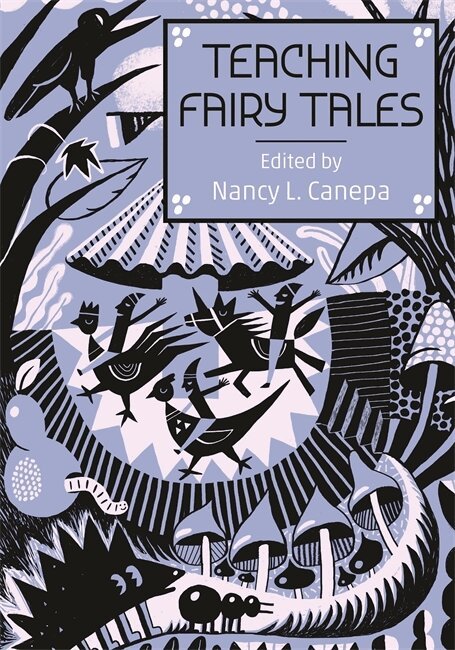
Teaching Fairy Tales edited by Nancy L. Canepa brings together scholars who have contributed to the field of fairy-tale studies since its origins. This collection offers information on materials, critical approaches and ideas, and pedagogical resources for the teaching of fairy tales in one comprehensive source that will further help bring fairy-tale studies into the academic mainstream. The volume begins by posing some of the big questions that stand at the forefront of fairy-tale studies: How should we define the fairy tale? What is the ""classic"" fairy tale? Does it make sense to talk about a fairy-tale canon? The first chapter includes close readings of tales and their variants, in order to show how fairy tales aren't simple, moralizing, and/or static narratives. The second chapter focuses on essential moments and documents in fairy-tale history, investigating how we gain unique perspectives on cultural history through reading fairy tales. Contributors to chapter 3 argue that encouraging students to approach fairy tales critically, either through well-established lenses or newer ways of thinking, enables them to engage actively with material that can otherwise seem over-familiar. Chapter 4 makes a case for using fairy tales to help students learn a foreign language. Teaching Fairy Tales also includes authors' experiences of successful hands-on classroom activities with fairy tales, syllabi samples from a range of courses, and testimonies from storytellers that inspire students to reflect on the construction and transmission of narrative by becoming tale-tellers themselves. Teaching Fairy Tales crosses disciplinary, historical, and national boundaries to consider the fairy-tale corpus integrally and from a variety of perspectives. Scholars from many different academic areas will use this volume to explore and implement new aspects of the field of fairy-tale studies in their teaching and research.
1 047 kr
Skickas inom 10-15 vardagar
This comprehensive collection of Italian tales in English encourages a revisitation of the fairy-tale canon in light of some of the most fascinating material that has often been excluded from it. In the United States, we tend to associate fairy tales with children and are most familiar with the tales of the Brothers Grimm, Hans Christian Anderson, and Disney. But the first literary fairy tales appeared in Renaissance Italy, and long before the Grimms there was already a rich and sophisticated tradition that included hundreds of tales, including many of those today considered "classic." The authors featured in this volume have, over the centuries, explored and interrogated the intersections between elite and popular cultures and oral and literary narratives, just as they have investigated the ways in which fairy tales have been and continue to be rewritten as expressions of both collective identities and individual sensibilities. The fairy tale in its Italian incarnations provides a striking example of how this genre is a potent vehicle for expressing cultural aspirations and anxieties as well as for imagining different ways of narrating shared futures.